
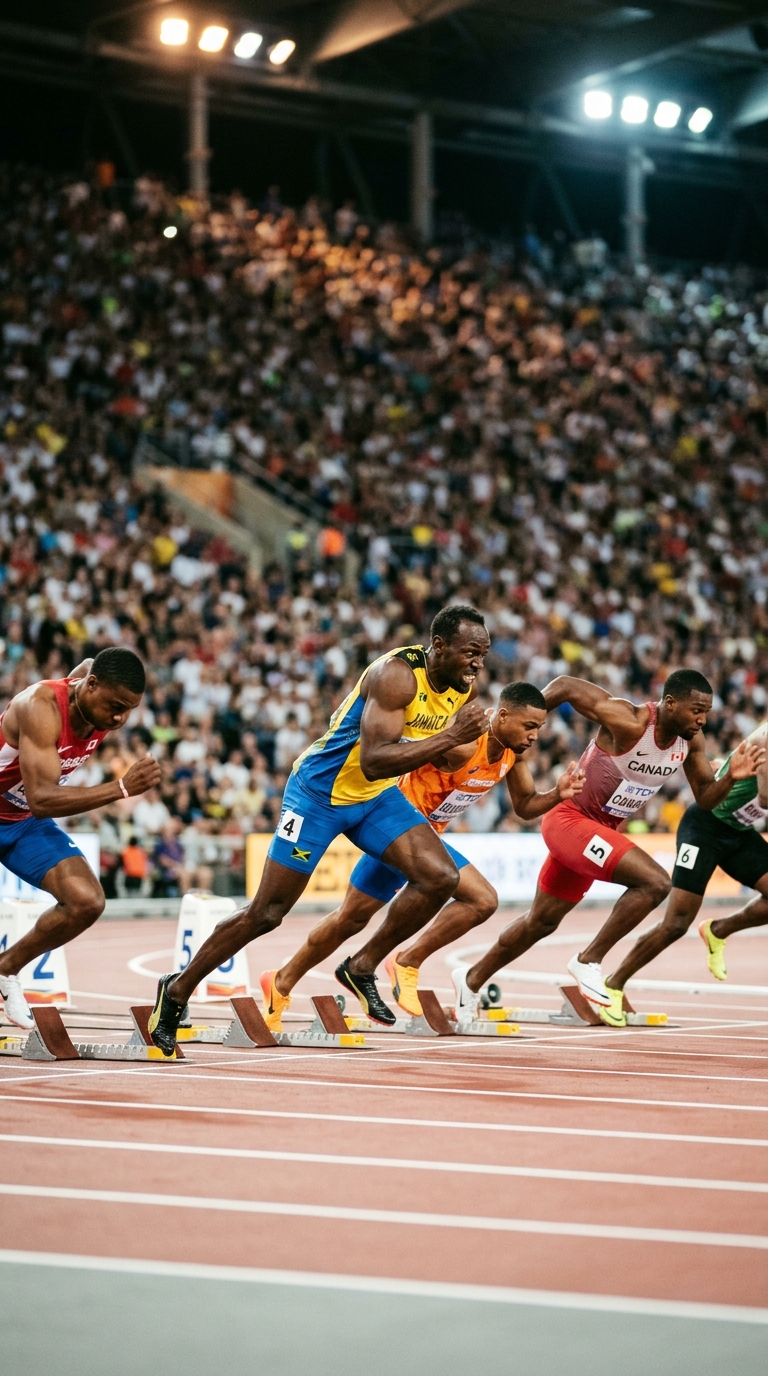
World Athletics is expanding its calendar as track and field tries to keep stars visible outside the traditional championship cycle.
Track and field has a unique problem. It produces some of the most recognizable Olympic moments, yet often struggles to hold mainstream attention between Games.
World Athletics is working to address that challenge through a fuller competition calendar, including major events in 2026 and the new Ultimate Championship in Budapest. The goal is clear: give athletes more high-profile stages and fans more reasons to follow the sport beyond Olympic and world championship years.
Athletics is both simple and fragmented. A 100-meter race is instantly understandable. A marathon finish is universally dramatic. A high jump duel can grip a stadium. But the sport includes many disciplines, circuits and national systems, making it harder to package consistently.
The calendar matters because visibility drives income. Athletes need prize money, sponsorship and media exposure. Fans need storylines that continue from one event to the next. Broadcasters need events that feel consequential.
The sport also faces competition from leagues that dominate weekly attention. Football, basketball, tennis and Formula 1 offer season-long narratives. Athletics must build its own rhythm without losing the purity of direct competition.
The challenge is not only commercial. Athletes need calendars that protect health. Too many events can lead to injury, but too few high-value competitions limit careers. The best system must balance spectacle with sustainability.
New events can help if they feel meaningful rather than artificial. Fans must believe the athletes care, the fields are strong and the outcome matters.
Athletics remains the language of sport at its most basic: run faster, jump higher, throw farther. The task now is to make that language easier to hear all year.
“””
