
YouTube shows, livestream programs, video podcasts and digital-first productions have moved entertainment beyond scheduled television and into a constant, interactive media environment.
Entertainment used to arrive at a fixed hour. A program appeared on television, audiences gathered in front of the screen, and the conversation happened afterward at school, work or around the dinner table. That model has not disappeared, but it no longer defines how entertainment reaches the public. Today, a comedy show can premiere on YouTube, a celebrity interview can become a video podcast, a game show can unfold through a livestream chat, and a small creator can build a loyal audience without ever entering a traditional studio.
The rise of online entertainment programs reflects a major shift in both technology and audience behavior. Faster internet, affordable cameras, smartphones, creator tools, social media algorithms and global platforms have lowered the barrier to production and distribution. A program no longer needs a television channel to exist. It needs a concept, a host, a camera, editing discipline and a community willing to watch, share and return.
YouTube shows are among the clearest examples of this transformation. What began as a platform associated with short amateur clips has become a home for long-form interviews, documentaries, comedy sketches, talk shows, travel series, food programs, reality-style formats, education channels and creator-led entertainment franchises. Many YouTube shows now use professional lighting, multi-camera setups, writers, producers, researchers and post-production teams. Some look almost indistinguishable from television. Others remain intentionally informal, because their appeal depends on intimacy rather than polish.
This flexibility is one reason digital entertainment has grown so quickly. A television program often has to fit a schedule, an advertiser expectation and a fixed episode length. A YouTube show can be eight minutes, 38 minutes or two hours. It can release weekly, daily or whenever a major event happens. It can test a pilot episode without committing to a full season. If viewers respond strongly, the format can expand. If they lose interest, the creator can change direction almost immediately.
Livestream shows add another layer: real-time participation. A livestream is not only watched; it is experienced with others. Viewers comment, send questions, react with emojis, donate money, vote in polls and sometimes influence what happens next. The host can read a comment aloud, respond to a fan by name or change the direction of the program based on audience reaction. That instant feedback creates a feeling of presence that traditional television rarely offers.
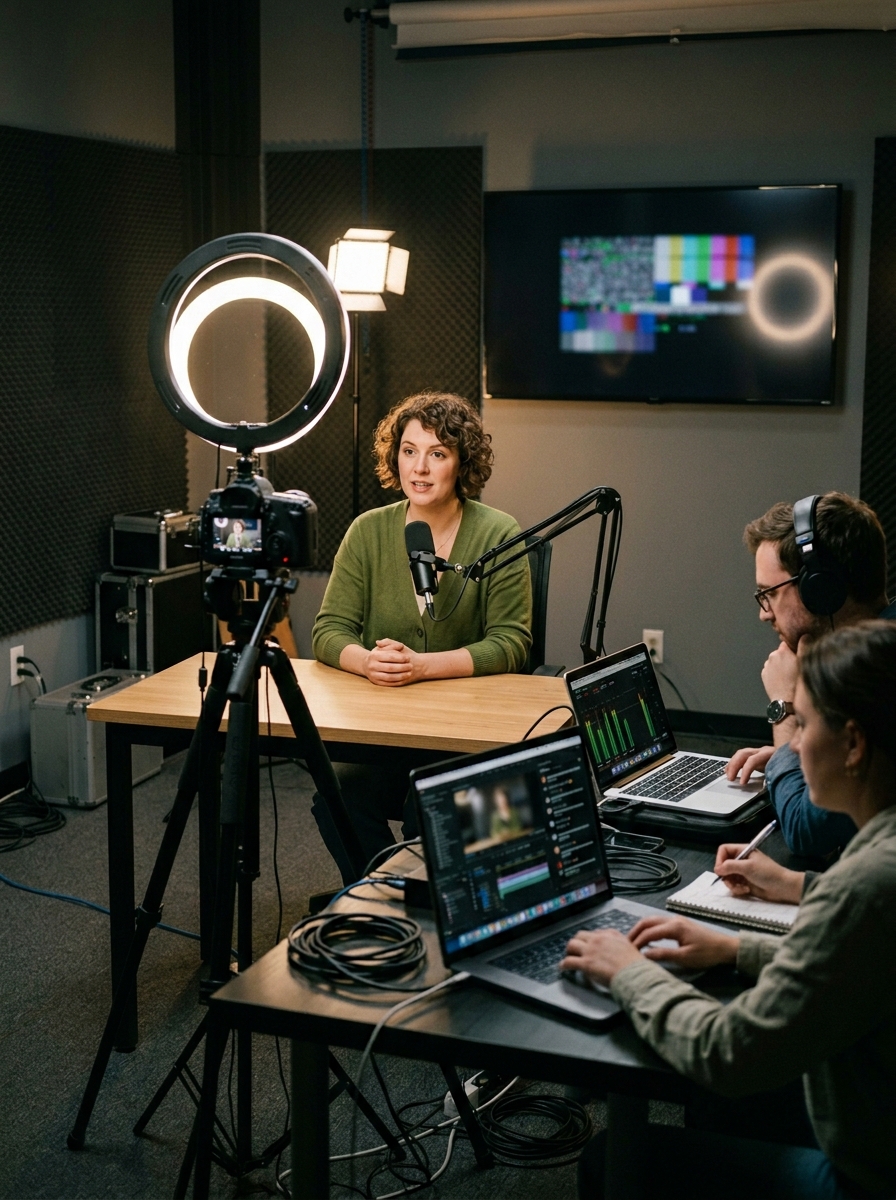
This is why livestreaming has become central to gaming, music, shopping, sports commentary, political discussion, comedy and celebrity fan engagement. A livestream show can feel unpredictable because it is genuinely happening in the moment. Technical mistakes, awkward pauses and spontaneous jokes can become part of the charm. Viewers often forgive imperfections because they value access. The appeal is not only production quality but the sense that the audience is inside the room.
Video podcasts represent another major development. Podcasts were once defined mainly by audio listening, but many successful shows now rely on cameras, studio sets, clips and visual identity. A conversation between two people can be recorded as a podcast, uploaded as a full video episode, cut into short social media clips and distributed across several platforms. The same program can serve commuters listening through headphones, office workers watching short excerpts and viewers at home streaming the full episode on a television screen.
The strength of the video podcast lies in its combination of depth and personality. Traditional talk shows often move quickly between guests and segments. Video podcasts can allow longer, looser conversations. The audience can observe body language, facial expressions, silence and tension. This visual intimacy helps build trust. Viewers may feel that they know the host, understand the guest and are witnessing a more direct conversation than they would see in a heavily edited broadcast interview.
Digital platforms have also changed who can become an entertainer. In the past, access to fame was controlled by networks, agencies, casting directors and production companies. Online platforms have not removed gatekeepers entirely, because algorithms and platform policies now play a powerful role. But they have widened the entrance. A teacher can become an education host. A comedian can build an audience through short sketches before launching a full show. A chef can turn home cooking videos into a digital series. A journalist, gamer, musician or commentator can create programming for a specific community that traditional television might consider too narrow.
This niche power is one of the defining features of online entertainment. Traditional broadcasters often need large general audiences. Digital shows can succeed by serving smaller but highly engaged communities. A program about street food in one city, vintage cars, true crime analysis, celebrity gossip, parenting, technology reviews or football tactics can attract viewers across borders. The audience may be smaller than a national television audience, but it can be more loyal, more interactive and more valuable to sponsors.
Monetization has followed the audience. Online entertainment programs can earn money through advertising, sponsorships, memberships, merchandise, live donations, ticketed events, affiliate links, platform revenue sharing and brand partnerships. This has encouraged creators to think like media companies. A successful channel may include writers, editors, camera operators, producers, community managers and sales teams. The creator remains the public face, but behind the screen there may be a serious business operation.
For brands, online shows offer something traditional advertising often struggles to provide: cultural closeness. A sponsor appearing naturally inside a trusted creator’s program may feel more personal than a standard commercial break. A product can be integrated into a cooking show, travel episode, technology review or livestream challenge. This can be effective, but it also raises questions about transparency. Audiences need to know when content is sponsored, and creators risk damaging trust if advertising feels hidden or excessive.
The development of online entertainment has also transformed audience behavior. Viewers no longer simply watch at the time chosen by a broadcaster. They binge, pause, replay, comment, remix and share. A two-hour livestream may become a ten-minute highlight video, then a 30-second clip, then a meme. A video podcast may be discovered through a single emotional quote. A YouTube series may gain new viewers months after release because an algorithm recommends an old episode. In the digital environment, entertainment does not end when the episode ends. It continues through reaction videos, comments, fan edits and social media debate.
This constant circulation gives online shows cultural power. A digital program may not have the prestige of a major network production, but it can dominate conversation among younger viewers. For many audiences, especially those who spend more time on phones and connected TVs than on traditional broadcast channels, online creators are not secondary entertainers. They are the main personalities of everyday media life.
The format is also changing television itself. Many digital programs now borrow from television: structured seasons, studio design, professional editing and celebrity guests. At the same time, television borrows from online culture: faster pacing, interactive voting, behind-the-scenes clips, influencer hosts and social media-first promotion. The line between online show and TV show is becoming less important. What matters is where the audience gathers and how strongly it responds.
There are risks in this new ecosystem. The pressure to publish constantly can exhaust creators and lower quality. Algorithms may reward outrage, exaggeration or repetitive formats. Livestreaming can produce harmful moments before anyone has time to edit or moderate them. Video podcasts can spread misinformation if hosts prioritize personality over verification. Digital fame can be unstable, and creators who build businesses on a platform remain vulnerable to policy changes, demonetization or sudden shifts in recommendation systems.
Still, the growth of online entertainment is not simply a technological story. It is a story about audience desire. People want entertainment that feels immediate, personal and accessible. They want hosts who speak directly to them, shows that respond to comments, and formats that fit into daily life. They want the choice to watch a full episode on a television screen or a short clip on a phone during a break.
YouTube shows, livestream programs, video podcasts and platform-native productions have expanded the meaning of entertainment. They have created new stars, new business models and new relationships between performers and audiences. They have made production more democratic while also creating new forms of competition and pressure. Most importantly, they have shifted power toward viewers, who now decide not only what to watch but how to participate, share and shape the life of a program after it is released.
The future of entertainment will not belong only to television networks or digital creators. It will belong to formats that understand how people actually live with media: across screens, across platforms, in real time and on demand. Online entertainment has grown because it meets audiences where they are. Its next stage will be defined by those who can combine creativity, trust, community and professionalism without losing the human connection that made digital shows powerful in the first place.”””
