
Handwashing, clean personal items, fresh indoor air, cough etiquette and avoiding shared face towels can reduce the everyday spread of germs at home, work and school.
Personal hygiene is often treated as a private routine, but its effects reach far beyond the individual. The way people wash their hands, handle personal items, clean shared spaces and cover a cough can influence the health of families, classrooms, offices and communities. In daily life, disease prevention does not always begin with hospitals or medicine. It often begins at the sink, at the doorway, at the dining table and in the small habits repeated every day.
The most important habit is proper handwashing. Hands touch phones, money, door handles, railings, keyboards, food, pets and many other surfaces throughout the day. They also touch the eyes, nose and mouth, creating a pathway for germs to enter the body. Washing hands with soap and clean running water helps remove germs before they spread to other people or contaminate objects nearby.
Effective handwashing is not simply a quick rinse. Public health guidance recommends wetting the hands with clean water, applying soap, rubbing all surfaces of the hands, cleaning between the fingers and under the nails, scrubbing for at least 20 seconds, rinsing well and drying with a clean towel or air dryer. The time matters because soap needs contact and friction to lift germs, dirt and oils from the skin. A rushed wash may leave the most contaminated areas untouched.
The timing of handwashing is just as important as the technique. People should wash before preparing or eating food, after using the toilet, after coughing or sneezing, after handling garbage, after touching animals, after returning from public places and after caring for someone who is sick. In situations where soap and water are not available, alcohol-based hand sanitizer can help, especially in public settings. But sanitizer is not a complete replacement for washing when hands are visibly dirty, greasy or exposed to certain chemicals.
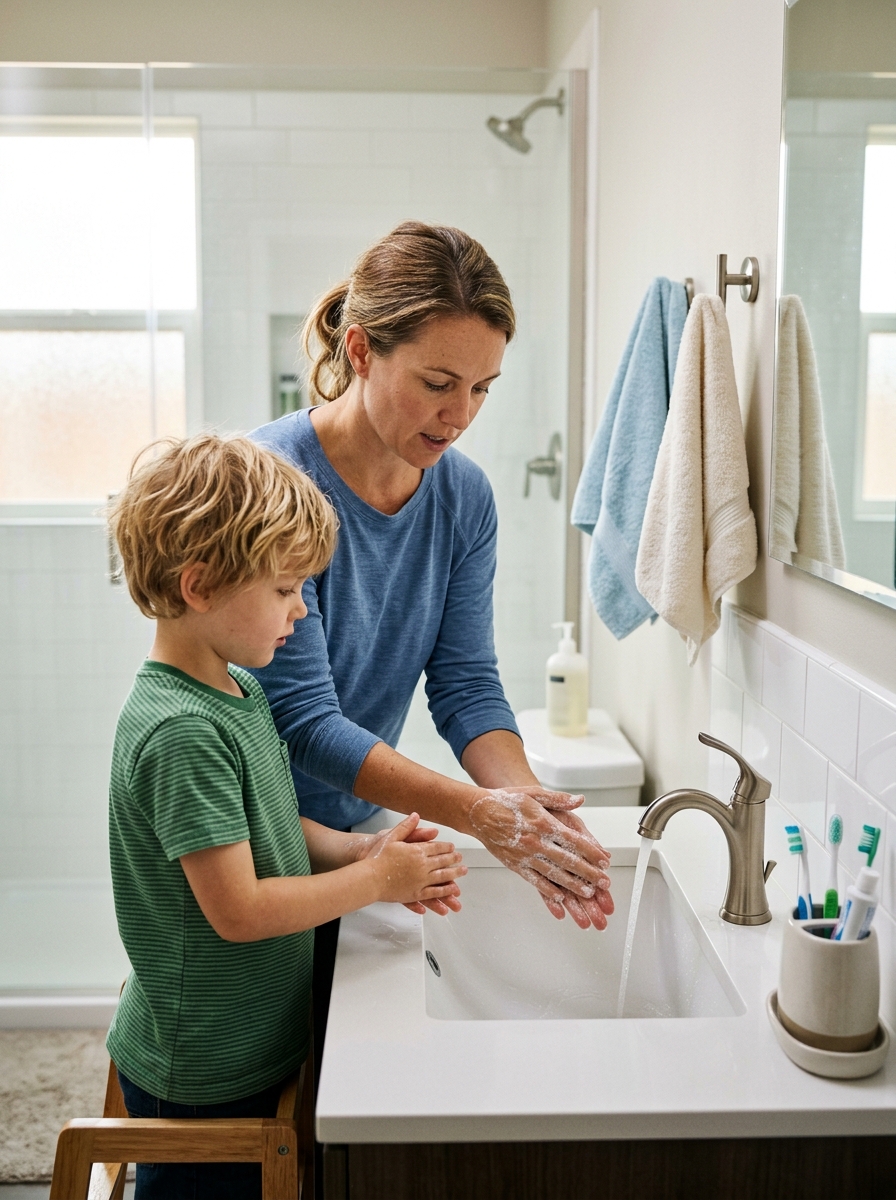
Personal belongings also deserve attention. Towels, toothbrushes, razors, combs, water bottles, makeup tools and earbuds come into close contact with the body. When these items are shared or left damp and dirty, they can become vehicles for germs. A face towel is especially personal because it touches the eyes, nose, mouth and skin. Sharing it can transfer sweat, saliva, skin oils and microorganisms from one person to another. Each person should have a separate towel, and towels should be washed and dried regularly.
Toothbrushes should also be stored carefully. They should not be shared, and they should be kept upright in a place where they can air dry. In crowded bathrooms, toothbrushes should be separated to avoid contact between bristles. Razors and nail clippers should be used individually because small cuts or skin irritation can create opportunities for infection. These habits may seem minor, but they help maintain clear boundaries between personal hygiene and household contamination.
Cleaning frequently used objects is another practical step. Mobile phones, remote controls, computer keyboards, light switches, doorknobs and refrigerator handles are touched repeatedly, often by multiple people. They do not need to be cleaned obsessively every hour, but regular cleaning is useful, especially when someone in the home has a cold, flu-like illness, stomach illness or other contagious symptoms. The goal is not to create a sterile home, which is unrealistic, but to reduce high-risk contamination at the right moments.
Kitchen hygiene is equally important. Cutting boards, knives, sinks and countertops should be cleaned after contact with raw meat, fish, eggs or unwashed produce. Dishcloths and sponges can hold moisture and food particles, so they should be changed or disinfected regularly. Food waste should be removed before it attracts insects or produces odors. A clean kitchen reduces the risk of stomach-related illness and supports safer family meals.
Bathroom hygiene requires consistent attention because moisture helps many microorganisms survive. Toilets, sinks, faucets, shower areas and floors should be cleaned regularly. Wet towels should not be left in piles, and dirty laundry should be stored in a way that allows airflow. Hand soap should be available near the sink, and household members should be encouraged to wash hands after using the toilet every time. In shared bathrooms, small improvements in routine can make a large difference.
Fresh air is another part of everyday disease prevention. Homes and workplaces that are closed for long periods may trap odors, humidity and airborne particles. Opening windows when outdoor air quality is acceptable, using exhaust fans in kitchens and bathrooms, and maintaining ventilation systems can help improve indoor air. Ventilation does not replace handwashing or cleaning, but it works together with them, especially for respiratory illnesses that can spread through droplets or aerosols.
Cough and sneeze etiquette remains essential. A cough can release respiratory droplets into the air and onto nearby surfaces. People should cover the mouth and nose with a tissue when coughing or sneezing, throw the tissue away after use and clean their hands afterward. If no tissue is available, coughing or sneezing into the elbow is better than using the hands. Covering with bare hands can move germs directly onto door handles, phones and other people.
When someone is sick, hygiene should become more deliberate. The person should use separate towels, cups and utensils where possible, and shared surfaces should be cleaned more often. Rooms should be ventilated when appropriate. Masks may be useful in crowded indoor settings or when caring for someone with respiratory symptoms, depending on local health advice and the illness involved. Sick people should avoid preparing food for others when they have vomiting, diarrhea, fever or strong respiratory symptoms.
Good hygiene also includes habits outside the home. In schools, offices, markets and public transport, people often touch shared surfaces and stand close to others. Carrying hand sanitizer, avoiding touching the face with unwashed hands, and washing hands after returning home can reduce exposure. Children should be taught hygiene through routine rather than fear. Simple reminders, visible soap and clean towels can make healthy behavior easier.
There is a balance to maintain. Hygiene should be regular, practical and calm, not driven by panic. Human beings live in contact with the world, and not every germ causes disease. Excessive use of harsh cleaning chemicals can irritate skin, eyes and lungs, and unnecessary over-cleaning can create stress. The best approach is targeted hygiene: wash hands at key times, clean high-touch surfaces, keep personal items separate, ventilate indoor spaces and act with extra care when someone is ill.
Skin care is also part of sustainable hygiene. Frequent washing can dry the hands, especially in cold weather or when strong soaps are used. Dry, cracked skin may become painful and harder to keep clean. People who wash often can use mild soap when appropriate, dry hands gently and apply moisturizer. The aim is to keep hands clean without damaging the skin barrier that helps protect the body.
Daily hygiene is powerful because it is ordinary. It does not depend on expensive equipment or complicated knowledge. It depends on soap, water, clean towels, fresh air, responsible coughing habits and respect for personal items. These actions are small, but they interrupt the routes by which germs commonly move from person to person.
In the end, personal hygiene is both self-care and community care. Washing hands properly, keeping personal belongings clean, avoiding shared face towels, maintaining a ventilated home and covering coughs are not dramatic acts. They are quiet routines that protect health in everyday life. When practiced consistently, they help families, workplaces and communities reduce preventable illness and create safer spaces for everyone.”””
