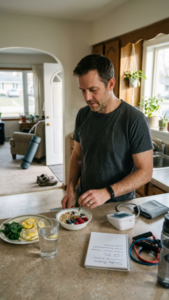
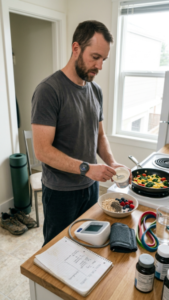
As biological-age tests, anti-aging routines and preventive nutrition go mainstream, experts say the most credible promise is not immortality but a longer period of strength, independence and resilience.
The new language of wellness is no longer just about weight loss, beauty or fitness. It is about biological age, recovery scores, inflammation, metabolic health, muscle preservation, sleep quality and the hope of staying functional for longer. Across social media, clinics, gyms, newsletters and consumer health apps, “longevity lifestyle” has become one of the most visible wellness trends of the moment.
The idea is simple enough to spread quickly: small daily habits may help the body age better. In short videos, creators package the message as morning light, protein at breakfast, walking after meals, strength training, earlier bedtimes, cold exposure, sauna sessions, continuous glucose monitors, blood panels and supplements. The format is attractive because it gives aging a dashboard and a routine. It turns a distant fear into a daily checklist.
But behind the trend is a more serious shift. Public health agencies and aging researchers have long argued that the goal should not merely be longer life, but longer healthspan — the years people spend with physical capacity, mental function and independence. That distinction matters. A person may live longer while spending more years with chronic disease, disability or frailty. The promise of longevity science is to compress that period of decline, not simply stretch the calendar.
The commercial world has moved quickly. Wellness companies now sell biological-age tests based on blood, saliva or DNA methylation. Private clinics offer preventive screening packages, hormone assessments, body-composition scans and personalized nutrition plans. Wearables track sleep, heart-rate variability, temperature, oxygen saturation and recovery. Influencers translate this data into simple narratives: your body may be older or younger than your birthday suggests, and your routine may be able to change that.
Scientists are more cautious. Biological age is not one single measurement. It can refer to epigenetic clocks, clinical biomarkers, organ function, inflammation, cardiovascular risk, grip strength, walking speed, muscle mass or metabolic health. Some clocks are trained to predict chronological age. Others are designed to estimate disease risk or mortality. A consumer test may be interesting, but it is not the same as a medical diagnosis. A lower biological-age score does not guarantee longer life, and a higher score should not trigger panic without clinical context.
That caution has not weakened public interest. If anything, it has made longevity content more appealing to audiences tired of vague wellness claims. The most successful creators do not only say “live longer.” They explain mitochondria, glucose spikes, muscle loss, circadian rhythm, protein needs, stress recovery and inflammation in everyday language. They turn preventive medicine into short, repeatable habits: take a walk after dinner, lift weights twice a week, sleep at a regular time, eat more fiber, protect muscle, limit alcohol and get basic blood pressure and cholesterol checks.
The strongest evidence still points to familiar behaviors. Regular physical activity lowers the risk of chronic disease and supports healthy aging. Strength training helps preserve muscle and bone, which become increasingly important with age. Balanced eating patterns rich in vegetables, fruits, legumes, whole grains, healthy fats and adequate protein support metabolic and cardiovascular health. Sleep is not optional maintenance; it is part of immune, cognitive and hormonal regulation. Avoiding tobacco remains one of the most powerful longevity interventions ever identified.
This is why the best longevity routine may look less dramatic than the internet version. It is not necessarily a cabinet of supplements, a full-body MRI or an extreme fasting protocol. It may be a sustainable weekly structure: resistance training, zone-based cardio, enough protein, high-fiber meals, morning daylight, consistent sleep, stress management, preventive checkups and social connection. None of these habits is new. What is new is the way they are being framed as anti-aging tools rather than general health advice.
Nutrition is a central battlefield. Preventive eating is moving away from short-term dieting and toward long-term function. The question is not only whether a diet reduces weight, but whether it protects muscle, improves blood sugar control, lowers cardiovascular risk and supports energy across decades. Protein has become more prominent because age-related muscle loss can affect mobility and independence. Fiber is gaining attention because gut health, cholesterol and glucose control are tied to long-term disease risk. Ultra-processed foods, excess added sugar and heavy alcohol use are increasingly discussed not as moral failures but as factors that can accelerate metabolic strain.
Recovery is another major part of the trend. Older fitness culture often celebrated exhaustion. Longevity culture is more interested in adaptation. Sleep, rest days, mobility work, massage, stretching, breathing exercises and stress reduction are framed as tools that help the body repair. Saunas, cold plunges and red-light devices attract attention, though the evidence varies by intervention and claim. The more responsible message is that recovery matters, but expensive recovery tools should not replace the basics.
Health testing has also become more mainstream. A growing number of consumers want to know their cholesterol, blood glucose, vitamin status, hormone levels, inflammatory markers and body composition before disease appears. This preventive impulse can be useful when guided by clinicians. High blood pressure, prediabetes and abnormal lipids are often silent for years. Early detection can change outcomes. The risk is overtesting, misinterpretation and unnecessary anxiety, especially when commercial panels generate long reports without clear medical meaning.
The social media version of longevity can also create inequality and confusion. Many routines promoted online are expensive, time-consuming or unrealistic for people working multiple jobs, caring for family members or living without safe places to exercise. A longevity lifestyle should not become a luxury identity. Walking, sleep regularity, affordable whole foods, basic strength exercises, vaccinations, dental care, blood pressure checks and smoking cessation may do more for population health than elite biohacking clinics.
The trend also raises a cultural question: when does healthy aging become fear of aging? There is a difference between wanting to remain strong and treating every wrinkle, gray hair or slower recovery day as a failure. A mature longevity movement should make aging less frightening, not more shameful. It should value function, purpose, community and independence, not only youthfulness.
For video creators, the opportunity is large but the responsibility is real. The phrase “small habits that help your body stay younger” can be useful if it points audiences toward evidence-based routines. It becomes misleading when it promises reversal, ignores medical conditions or sells products as shortcuts. The most credible content explains degrees of evidence: what is well established, what is promising, what is experimental and what is mostly marketing.
A strong longevity video might begin with a simple image: two people of the same chronological age who feel very different because of sleep, strength, diet, stress, smoking history and preventive care. It can then show habits that are small enough to repeat: a ten-minute walk after meals, a protein-rich breakfast, two strength sessions a week, a fixed bedtime, sunlight in the morning, fewer sugary drinks and regular medical screening. The power of the format is not in making people afraid of aging. It is in making prevention feel practical.
The future of longevity lifestyle will likely be hybrid. Medical research will continue to explore drugs, biomarkers and interventions that target aging biology. Consumer technology will keep measuring more signals from the body. Clinics will sell more preventive packages. But the daily foundation will remain stubbornly ordinary: move often, build muscle, eat well, sleep enough, manage stress, avoid tobacco, limit harmful alcohol use and stay connected to other people.
Longevity has become fashionable because it offers a hopeful story in an anxious age. People do not only want to live longer. They want to climb stairs, travel, think clearly, work, love, recover and remain useful for as many years as possible. The most honest version of the movement does not promise eternal youth. It promises something more credible and more humane: a body that is cared for early enough to age with strength.