
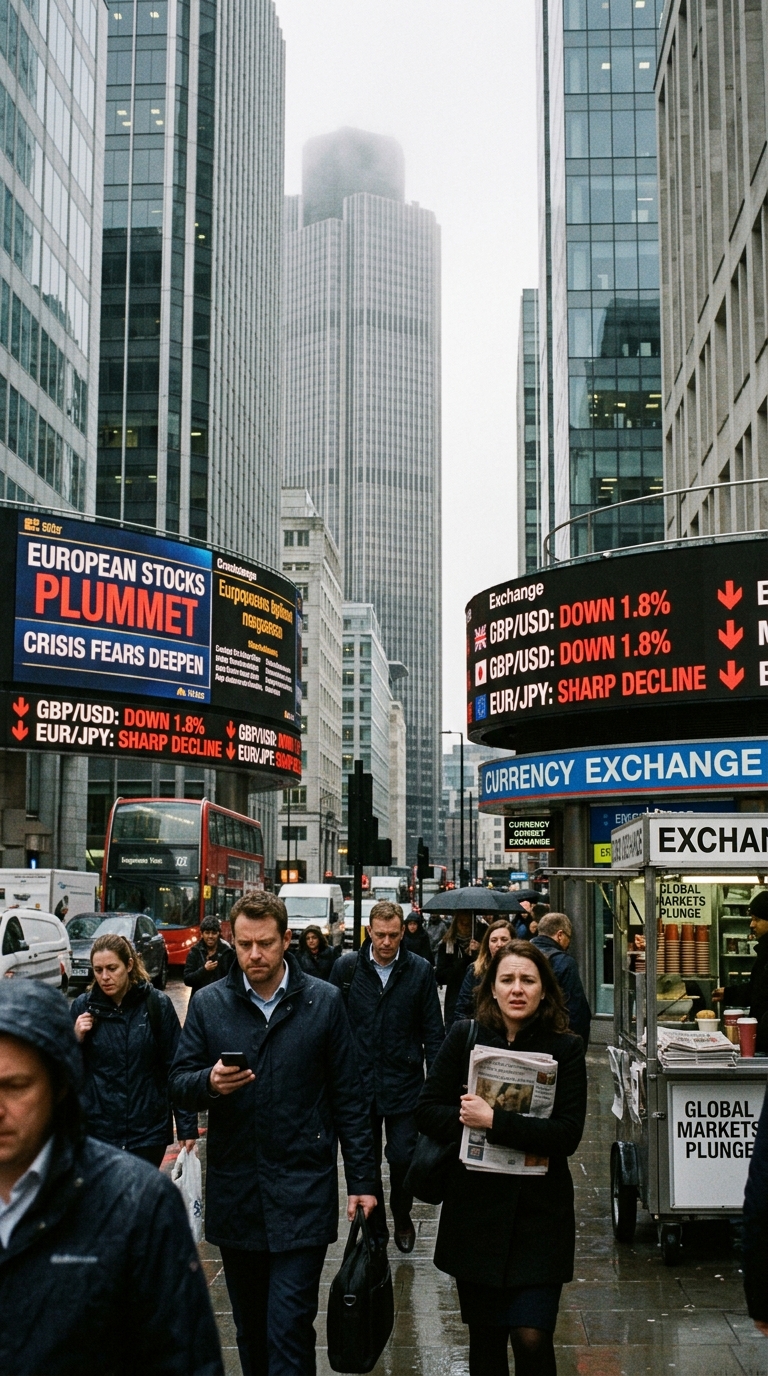
The IMF’s latest outlook points to growth that remains positive but vulnerable, as wars, trade barriers and inflation risks weigh on households and governments.
The global economy is still growing, but with less confidence and less room for error.
The International Monetary Fund projects global growth of 3.1 percent in 2026 and 3.2 percent in 2027, below the stronger pace seen in the immediate post-pandemic rebound. The figures suggest an economy that has avoided collapse but remains exposed to shocks.
The problem is not one single crisis. It is the accumulation of many. Trade barriers have increased. Geopolitical conflict threatens energy and shipping routes. Inflation has eased in some places but remains a political burden. Debt costs are still high for many developing economies. Climate disasters increasingly disrupt budgets and food systems.
For households, macroeconomic forecasts become real through prices, wages and jobs. Slower growth can mean fewer opportunities, weaker purchasing power and more difficult choices. Even when inflation falls, prices often remain higher than before, leaving families feeling that recovery exists more in statistics than in daily life.
Central banks face a difficult balance. Cut interest rates too quickly, and inflation could revive. Keep them high too long, and growth may weaken further. Governments face their own limits, with public debt elevated after years of pandemic spending, energy support and security costs.
Emerging and developing economies are especially vulnerable. Many need investment in infrastructure, health, education and climate resilience, but face higher borrowing costs and limited fiscal space. A slower world economy reduces demand for exports and can weaken remittances, tourism and investment flows.
Technology investment, especially in artificial intelligence, remains a bright spot in some advanced economies. But it also creates uneven gains. Countries and companies with capital, energy capacity and skilled workers may benefit faster, while others risk falling behind.
The IMF’s outlook also highlights the importance of confidence. Businesses delay investment when rules are unstable. Consumers spend cautiously when they fear layoffs or price shocks. Financial markets can absorb bad news until they suddenly cannot.
The policy message is familiar but urgent: preserve stability, avoid unnecessary trade escalation, protect vulnerable households and invest in long-term productivity. The challenge is political. Many governments are under pressure from voters tired of high living costs and distrustful of globalization.
A slower global economy is not automatically a crisis. But it narrows options. When growth is modest, every shock matters more.
The year ahead will test whether governments can manage uncertainty without turning inward. In a fragile economy, cooperation is not idealism. It is risk management.
“””
