
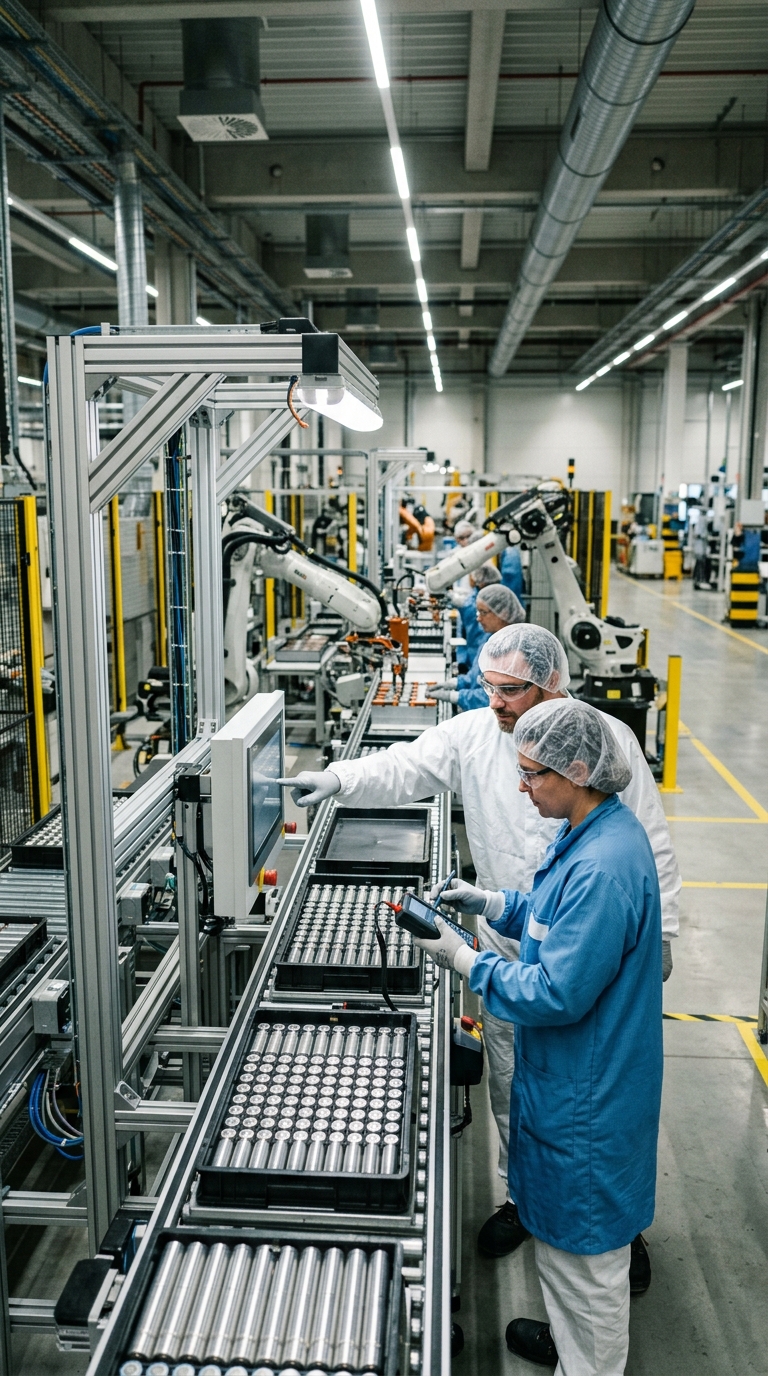
As electric vehicle sales grow, the next contest is shifting from whether cars can go electric to who can make batteries cheaper, safer, cleaner and easier to charge.
The electric vehicle revolution began as a contest over cars. It is now increasingly a contest over batteries.
Batteries determine the price, range, charging speed, weight, safety and environmental footprint of electric vehicles. They influence supply chains from mines to factories to recycling plants. They also shape geopolitics because the materials and manufacturing capacity needed for batteries are unevenly distributed across the world.
The International Energy Agency reported that electric car sales increased strongly in 2025, with one in four cars sold globally being electric. China remained the central force in the market, helped by intense competition, broad model availability and lower prices. The IEA has also tracked rapid growth in battery demand, with the energy sector reaching major milestones as electric vehicles and storage systems expand.
The next phase is harder than early adoption. Wealthier urban consumers with home charging and incentives were relatively easy to reach. The broader market includes apartment dwellers, rural drivers, commercial fleets, used-car buyers and countries with weaker charging infrastructure. Batteries must become not only better but more affordable and more adaptable to different conditions.
Lithium-ion batteries remain dominant, but the category includes multiple chemistries. Nickel-rich batteries can offer high energy density, useful for long-range vehicles. Lithium iron phosphate batteries are often cheaper and more stable, though traditionally less energy dense. Sodium-ion batteries are emerging as a potential lower-cost option for some applications, using more abundant materials. Solid-state batteries promise improvements in safety and energy density, but mass production remains challenging.
The chemistry debate matters because it affects mining. Nickel, cobalt, lithium, graphite and manganese supply chains carry environmental, labor and geopolitical risks. Companies are trying to reduce cobalt use because of cost and concerns about mining conditions. Nations are trying to secure lithium supplies through domestic extraction, trade agreements and recycling.
Battery manufacturing has become a strategic industry. China dominates much of the supply chain, from refining to cell production. Europe and the United States are investing in domestic factories, but catching up is difficult. It is not enough to build assembly plants. Countries need materials processing, skilled workers, equipment, quality control and stable demand from automakers.
Charging speed is one of the most visible consumer concerns. Drivers compare charging stops with the familiar speed of refueling. Fast charging can reduce anxiety, but it stresses batteries and power grids. The best solution may combine improved battery chemistry, better thermal management, widespread chargers and smarter software that plans charging around routes and electricity prices.
Home charging remains a major advantage for EV owners, but it is not universally available. Apartment buildings, older housing, street parking and weak distribution grids create barriers. Public charging networks must be reliable, easy to pay for and available where people actually travel. A charger that is broken or incompatible can damage confidence more than its absence.
Commercial fleets are becoming important because they calculate total cost of ownership carefully. Delivery vans, buses and trucks may save money on fuel and maintenance if charging is well managed. Heavy-duty electric trucks are harder because they require large batteries and high-power charging, but the market is growing.
Battery safety receives intense scrutiny. Fires are rare but highly visible. Manufacturers work on thermal management, pack design and monitoring systems. Safety also depends on crash protection, charging standards and emergency responder training. Public confidence can be shaped by isolated incidents, so transparency matters.
The environmental case for EVs is strongest when electricity becomes cleaner and batteries last longer. Manufacturing a battery requires energy and materials, but electric vehicles can reduce emissions over their lifetime, especially in regions with low-carbon electricity. Recycling and second-life uses can improve the equation by recovering valuable materials and reducing new mining demand.
Recycling is moving from future promise to industrial necessity. Early EV batteries are beginning to reach end of life, and production scrap from factories is already valuable. Recycling can recover lithium, nickel, cobalt and copper, but collection systems, economics and regulation must mature. A circular battery economy would reduce waste and supply risk.
Software is increasingly part of the battery race. Battery management systems monitor temperature, voltage, state of charge and degradation. Over-the-air updates can improve efficiency or charging behavior. Automakers that understand battery data may gain advantages in warranty management, resale value and fleet services.
Consumer affordability remains the largest barrier in many markets. The IEA has noted that battery electric car prices have fallen globally, but gaps with conventional cars persist outside China. Buyers may also worry about resale value, repair costs and charger availability. Policy incentives can help, but stable rules are important. Sudden subsidy cuts can shock demand.
Trade tensions complicate the market. Tariffs, local-content rules and industrial subsidies are reshaping where EVs and batteries are made. Governments want domestic jobs and supply security, but protection can raise costs. Automakers must decide whether to globalize production, regionalize it or risk being locked out of key markets.
Battery technology also matters beyond cars. Stationary storage helps power grids absorb solar and wind energy. The same supply chains serve vehicles, homes, utilities and data centers. Competition for batteries may increase as electrification spreads across transport and energy systems.
The social impact of the battery boom reaches mining communities. Extraction can bring jobs and revenue but also water use, pollution and land conflicts. Indigenous rights, labor standards and environmental oversight are central to whether the clean-technology transition is seen as fair.
The future may not produce one winning battery. Different applications will need different chemistries. A small urban car, long-haul truck, luxury SUV, grid storage unit and electric scooter do not require the same solution. The industry is moving from a single narrative of “more range” to a more mature focus on right-sized performance.
The EV race is therefore becoming less about whether electric vehicles can work and more about whether the battery ecosystem can scale responsibly. Cheap batteries without ethical supply chains will face backlash. Clean batteries that remain too expensive will not transform mass transport. Fast batteries that strain grids will create new bottlenecks.
Cars made the electric transition visible. Batteries will decide how far it goes.
“””
