From high-protein snacks and zero-sugar drinks to air fryer dinners and meal-prep routines, Americans are embracing a practical food culture shaped by fitness, time pressure, inflation and social media.
NEW YORK — The new American diet does not always look like a diet. It looks like a fridge full of grilled chicken, Greek yogurt, eggs, cottage cheese, protein shakes, chopped vegetables and containers stacked for the week ahead. It looks like a lunch assembled in six minutes, an air fryer basket loaded after work, a zero-sugar drink cracked open in the car, and a snack chosen because the label promises 20 grams of protein.
In the language of social media, the habit has a name: proteinmaxxing. The term is awkward, exaggerated and very online, but it captures something real. Across the United States, many consumers are not simply trying to eat less. They are trying to eat more strategically.
The trend sits at the intersection of several powerful forces: fitness culture, weight-loss drugs, food inflation, influencer recipes, body-image pressure, convenience cooking and a broad desire to feel more in control. It is not a single diet with one set of rules. It is a practical eating style built around a few repeatable ideas: get enough protein, reduce added sugar, cook quickly, prepare ahead and avoid wasting money on meals that do not feel useful.
That makes it different from earlier diet waves. Low-fat dieting asked people to avoid fat. Low-carb dieting asked them to avoid bread, pasta and sugar. Clean eating asked them to avoid processed foods, chemicals or ingredients they could not pronounce. Proteinmaxxing is less a ban than a math problem. The question is not only “Is this food healthy?” but “Does this meal do something for me?”
For a college student, that might mean a microwave bowl with eggs, rice and turkey sausage. For a working parent, it may be a rotisserie chicken stretched across salads, wraps and air fryer tacos. For a gymgoer, it may mean planning every meal around a protein target. For someone using a GLP-1 weight-loss medication, it may mean trying to preserve muscle while eating less. For a teenager watching fitness creators online, it may mean choosing a protein bar over chips because it feels disciplined.
Food companies have noticed. Grocery shelves are crowded with protein-enhanced cereals, chips, pastas, cookies, shakes, yogurts, coffee drinks and frozen meals. Fast-casual restaurants promote double-protein bowls. Coffee chains test drinks with added protein. Snack brands once associated mainly with indulgence are looking for ways to add a wellness halo without losing taste.
The appeal is obvious. Protein has a reputation that few nutrients currently enjoy. It is associated with strength, fullness, muscle, energy and weight management. Unlike calories, which many consumers experience as restrictive, protein can feel additive. It gives people permission to eat while still feeling that they are making progress.
But the protein boom is not only about nutrition. It is also about the emotional climate around food. A recent survey conducted by Talker Research and commissioned by Pancho’s Cheese Dip found that food ranked as Americans’ top “obsession,” followed by health and fitness. The survey also pointed to air frying, zero-sugar drinks and proteinmaxxing among the trends shaping daily eating. The sponsor’s interest in the topic is worth noting, but the finding matches what is visible across retail, restaurants and social media: Americans are thinking about food constantly, even when they say they are tired of doing so.
That tension defines the moment. People want food to be functional, but they also want it to be enjoyable. They want discipline, but not misery. They want convenience, but not guilt. They want high-protein meals, but not another complicated diet that collapses after two weeks.
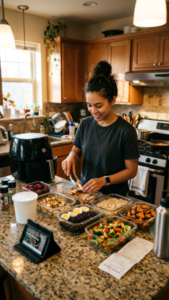
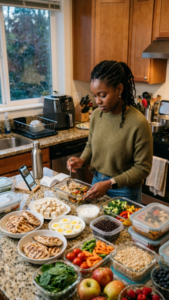
Meal prep has become the practical answer for many households. It reduces decision fatigue, limits takeout spending and gives structure to chaotic schedules. The modern meal-prep style is less about bland bodybuilding containers and more about modular ingredients: cooked proteins, grains, sauces, chopped vegetables and frozen shortcuts that can be recombined into bowls, wraps, salads and quick dinners.
The air fryer fits neatly into this culture because it promises speed without the feeling of compromise. It can turn chicken thighs, salmon, tofu, potatoes, frozen vegetables or reheated leftovers into a meal with less oil and less cleanup. For busy families, the appeal is not just health. It is the possibility of putting dinner on the table before everyone gives up and orders delivery.
Zero-sugar drinks occupy a more complicated place. They satisfy demand for sweetness while avoiding sugar and calories, making them attractive to consumers who want control without abstinence. For some people, they are a useful substitute for sugary soda. For others, they are part of a broader pattern of hyper-monitoring, where every sip and snack is measured against a self-improvement goal.
Nutrition experts tend to see both promise and risk in the trend. Protein is essential, and many people benefit from distributing it across meals rather than leaving most of it for dinner. Older adults, athletes, people in strength training and those losing weight may have different needs than sedentary adults. But experts also warn that the protein conversation can become distorted when it turns every food into a number and every meal into a performance.
The larger issue is balance. A protein bar may be convenient, but it is not automatically better than a meal with beans, vegetables, whole grains and healthy fats. A high-protein snack may help someone stay full, but it may also come with saturated fat, sodium, sugar alcohols or a level of processing that consumers overlook because the front of the package looks healthy. Protein is important, but it does not replace fiber, micronutrients, sleep, movement or a sustainable relationship with food.
Cost also shapes the trend. Pew Research Center has found that many Americans say healthy food has become more expensive and that higher prices make eating well harder. That reality gives practical eating much of its urgency. Meal prep is not just a wellness routine; it is a budgeting tool. Eggs, canned tuna, beans, yogurt, frozen vegetables and bulk chicken are not glamorous, but they offer a sense of control at a time when grocery bills remain a source of stress.
Social media accelerates the pattern by turning ordinary meals into repeatable formulas. A creator can make a high-protein breakfast bowl, air fryer dinner or 10-minute lunch look simple enough to copy. The best of these videos are useful: they show technique, portions, substitutions and realistic timing. The worst reduce eating to a stream of hacks, before-and-after bodies and moral judgments about what belongs on a plate.
That is why “practical eating” may be the more durable phrase than proteinmaxxing. It describes a behavior rather than a fad. Americans are not only chasing more protein. They are trying to make food work inside lives that are rushed, expensive and heavily mediated by screens.
The future of the trend will likely depend on whether it remains flexible. If proteinmaxxing becomes another rigid rulebook, many people will abandon it like earlier diet cycles. If it evolves into a broader habit of planning meals, choosing satisfying foods, cooking more often and paying attention to nutrition without obsession, it may last.
The most telling image of this food era is not a luxury wellness retreat or an extreme fitness plan. It is a kitchen counter on Sunday night: plastic containers, a cutting board, an air fryer cooling nearby, a grocery receipt on the table, a phone propped up with a recipe video paused, and someone trying to make the week ahead feel a little easier.
In that scene, protein is not just a nutrient. It is a symbol of a larger American desire: to eat with purpose, save time, spend carefully, feel stronger and still enjoy dinner.