The Jim Rash drama starring Allison Janney and Andrew Rannells arrives on HBO and HBO Max with a story of grief, estrangement and unexpected human connection.
LOS ANGELES, May 6 — HBO will premiere the original film “Miss You, Love You” on May 29, adding a character-driven drama about grief and family fracture to its late-spring slate as streaming platforms continue to look for adult-focused films that can cut through an increasingly crowded entertainment market.
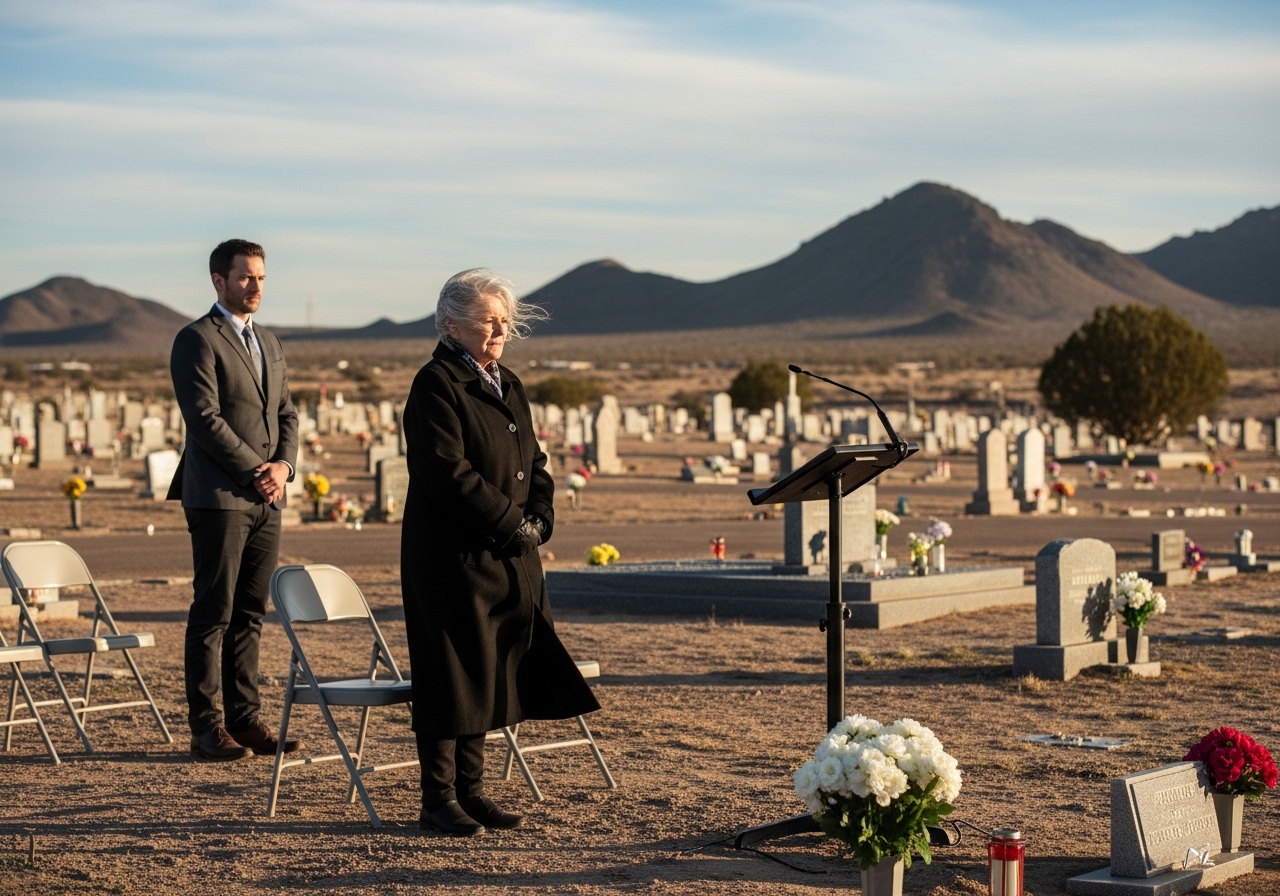
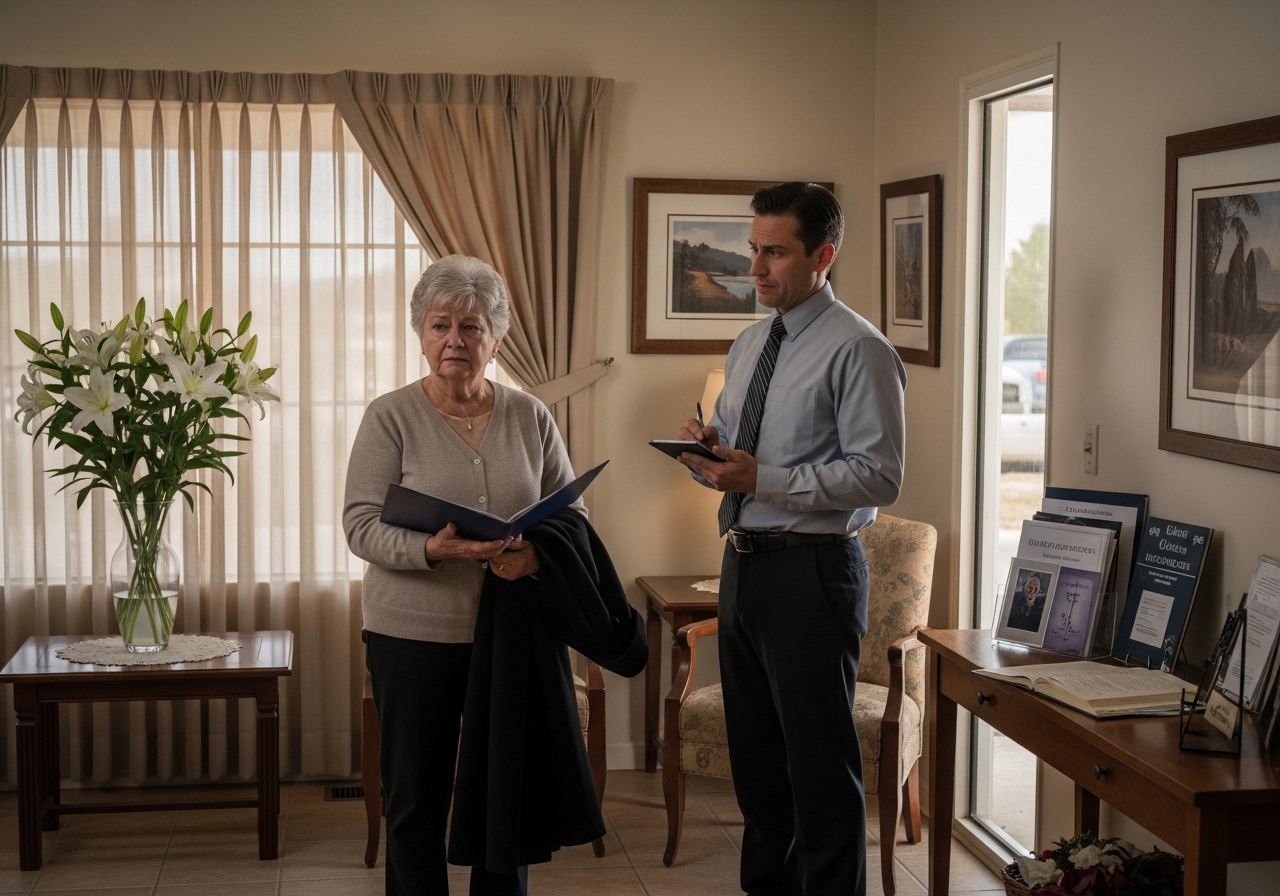
The film, written and directed by Academy Award-winning writer Jim Rash, stars Allison Janney as Diane Patterson, a blunt and grieving widow forced to confront the rituals of loss under emotionally difficult circumstances. Andrew Rannells plays Jamie Simms, the assistant of Diane’s estranged son, who is sent in his place to help plan the funeral. The premise is intimate rather than expansive: a woman mourning her husband must process both death and abandonment in the company of someone she does not know.
“Miss You, Love You” will debut Friday, May 29, at 8 p.m. ET/PT on HBO and will also be available to stream on HBO Max. The release places the film within a long tradition of HBO dramas built around performance, dialogue and emotional compression rather than spectacle. At a time when much of the streaming conversation is dominated by franchises, true-crime series and limited-run thrillers, the project signals a quieter kind of programming bet: a film carried by actors, tone and the difficult comedy of human discomfort.
Janney’s casting gives the film immediate dramatic weight. An Academy Award and Emmy winner, she has built a career around characters who can be cutting, funny, wounded and deeply human, often within the same scene. Her role as Diane appears designed for that range. The character is not described as conventionally soft in grief; she is blunt, likely resistant to easy consolation, and placed in the painful position of organizing a funeral while absorbing the absence of her own child.
Rannells, a two-time Tony nominee known for stage work and screen roles including HBO’s “Girls,” brings a different energy to the story. His character, Jamie, is neither family member nor traditional outsider. He arrives as a proxy, a substitute sent to perform duties that should have belonged to Diane’s son. That makes him both useful and resented, a stranger whose presence embodies the emotional failure at the center of the family. The tension between Diane and Jamie is likely to drive much of the film’s emotional movement.
The supporting cast includes Bonnie Hunt as Judith Bibbs, Suzy Nakamura as Kathy, Oscar Nunez as a minister and Lisa Schurga as Nance. Their presence suggests a story built around small social encounters as much as private grief: funeral arrangements, awkward conversations, community expectations and the ordinary logistics that continue even when a family is falling apart. In dramas about mourning, the most painful moments often come not from the grand declaration but from paperwork, phone calls, casseroles, clothing choices and the pressure to behave correctly while emotionally unmoored.
Rash’s involvement is central to the film’s identity. Best known to many viewers as an actor and to the industry as the Oscar-winning co-writer of “The Descendants,” Rash has often worked in stories where humor and pain sit close together. His writing tends to find tension in social discomfort, family disappointment and the gap between what people say and what they cannot bring themselves to admit. With “Miss You, Love You,” he appears to be working in that same emotional territory, but with the additional discipline of a chamber drama built around two mismatched people.
The film also reunites Rash with producers connected to earlier independent and character-focused work. Producers include Kevin Walsh, Nat Faxon, Gigi Pritzker and Rachel Shane, with production companies including MWM, The Walsh Company and Faxon/Rash Productions. The project was filmed in New Mexico, a location that may give the story a visual stillness distinct from the coastal settings often associated with prestige domestic dramas.
HBO’s acquisition and scheduling of the film follows a period in which streaming services have been recalibrating their film strategies. After years of aggressive volume, many platforms have become more selective, favoring projects that support brand identity and subscriber retention without requiring the scale of theatrical blockbusters. For HBO, a film led by Janney and Rannells fits a recognizable lane: adult drama with strong performers, a controlled premise and enough emotional clarity to appeal to viewers looking for something more contained than a limited series.
The May 29 date also positions “Miss You, Love You” near the end of the traditional television season, when networks and streamers often use stand-alone films and specials to bridge the gap before summer programming. It arrives in a month when HBO Max is also offering a mix of returning series, films, documentaries and sports coverage. In that environment, the film’s challenge will be discoverability. Its advantage is simplicity: the story can be explained in a sentence, and the emotional stakes are immediately legible.
The title itself suggests a mixture of intimacy and absence. “Miss You, Love You” sounds like a phrase left on a voicemail, written in a card or spoken quickly at the end of a call. It carries affection, but also distance. In the context of the film’s premise, the words become more complicated. Who is missed? Who is loved? Who failed to show up? The title implies a story about the language families use when they cannot repair what has broken.
That question of estrangement may give the film contemporary resonance. Many recent dramas have explored fractured families not through melodramatic confrontations but through logistics: who attends the hospital, who makes the arrangements, who answers the phone, who appears when duty calls. “Miss You, Love You” appears to place that burden on Diane, then complicates it by introducing Jamie as a stand-in for the absent son. The result is a moral and emotional imbalance from the start. Jamie may be kind, competent or well-intentioned, but he is not the person Diane needs.
The setup also allows for the kind of unlikely intimacy that often emerges in grief. Strangers sometimes become witnesses because family cannot, or will not, be present. A funeral director, minister, neighbor, assistant or distant acquaintance can hear truths that relatives avoid. By pairing a grieving widow with a stranger tied indirectly to her son, the film creates space for irritation, confession, misunderstanding and possibly tenderness. It is a premise built less on plot twists than on emotional pressure.
For Janney, the role may offer another opportunity to play a woman whose sharpness is inseparable from vulnerability. For Rannells, it may provide a dramatic counterweight to his comic timing, allowing him to use awkwardness and restraint rather than broad humor. The success of the film will likely depend on whether their characters feel like people caught in an impossible situation rather than symbols of grief and neglect.
The wider appeal of “Miss You, Love You” may lie in its refusal to treat mourning as clean or noble. Funeral stories often reveal the contradictions of family life: love mixed with resentment, duty mixed with avoidance, memories distorted by anger or guilt. A widow planning a funeral is not only saying goodbye to a spouse. She is also facing the state of the family that remains. In this case, the son’s absence becomes part of the mourning itself.
HBO has not positioned the film as a large-scale event, and that may be appropriate. “Miss You, Love You” appears designed for viewers willing to sit with discomfort, silence and the strange intimacy that can form between people brought together by loss. Its power, if the premise is fulfilled, will not come from spectacle but from observation.
As the May 29 premiere approaches, the film enters a marketplace crowded with louder titles and more easily marketable hooks. But prestige television and streaming film have always made room for smaller stories when the performances are strong enough and the emotional question is clear enough. “Miss You, Love You” asks one of the oldest questions in family drama: what happens when the people who should be there are not?
For HBO, the answer arrives at the end of May, in a film about a funeral, a stranger and a widow forced to grieve in the shadow of an absence that may be harder to bear than death itself.