
Taking medicine without advice, skipping meals, overusing caffeine, staying up late, trusting unverified remedies and delaying medical care can turn ordinary habits into serious risks.
Self-care has become one of the most popular ideas in modern health culture. People are encouraged to sleep better, eat more carefully, exercise, manage stress and take responsibility for daily well-being. In principle, that message is valuable. A person who understands their body and develops healthy routines is often better equipped to prevent illness and recover from minor problems. But self-care can become risky when confidence replaces knowledge, convenience replaces diagnosis or internet advice replaces medical evaluation.
One of the most common mistakes is taking medicine without proper guidance. Many people keep leftover antibiotics, painkillers, anti-inflammatory drugs, sleeping pills or stomach medicines at home and reuse them whenever similar symptoms appear. Others borrow medicine from relatives or follow recommendations from friends because “it worked last time.” This can be dangerous. The same symptom can have different causes, and the same medicine can have different effects depending on age, pregnancy, allergies, kidney function, liver function, other medications and underlying disease.
Antibiotics are a clear example. A sore throat, cough or fever may be caused by a virus, meaning antibiotics will not help. Taking them unnecessarily can contribute to antibiotic resistance and may cause side effects such as diarrhea, rash or allergic reaction. Painkillers can also create problems when used too freely. Some drugs can irritate the stomach, affect blood pressure, interact with blood thinners or put stress on the liver and kidneys. A medicine that seems ordinary can become harmful when taken at the wrong dose, for too many days or with alcohol.
Another mistake is stopping prescribed medicine too early. A person may feel better and assume the illness has passed, or they may worry about side effects and quit without calling a doctor. In some cases, stopping treatment suddenly can worsen the condition or trigger withdrawal effects. This is especially important for medicines used for blood pressure, diabetes, mental health conditions, seizures, heart disease and infections. Responsible self-care means asking questions and understanding treatment, not quietly changing it alone.
Skipping meals is another common habit disguised as discipline. Some people skip breakfast because they are busy, skip lunch to lose weight or delay dinner until late at night after work. Missing one meal occasionally may not harm a healthy person, but turning irregular eating into a lifestyle can lead to fatigue, poor concentration, irritability and overeating later in the day. For people with diabetes, pregnancy, eating disorders, digestive conditions or certain medications, meal skipping can be more serious because blood sugar and energy levels may become unstable.
Healthy eating does not require perfection, but it does require consistency. A balanced meal pattern gives the body fuel, protein, fiber, vitamins and minerals throughout the day. People trying to lose weight may benefit more from planned portions, higher-quality foods and sustainable routines than from extreme restriction. When self-care becomes punishment, it rarely lasts. The body needs nourishment, not cycles of deprivation and compensation.
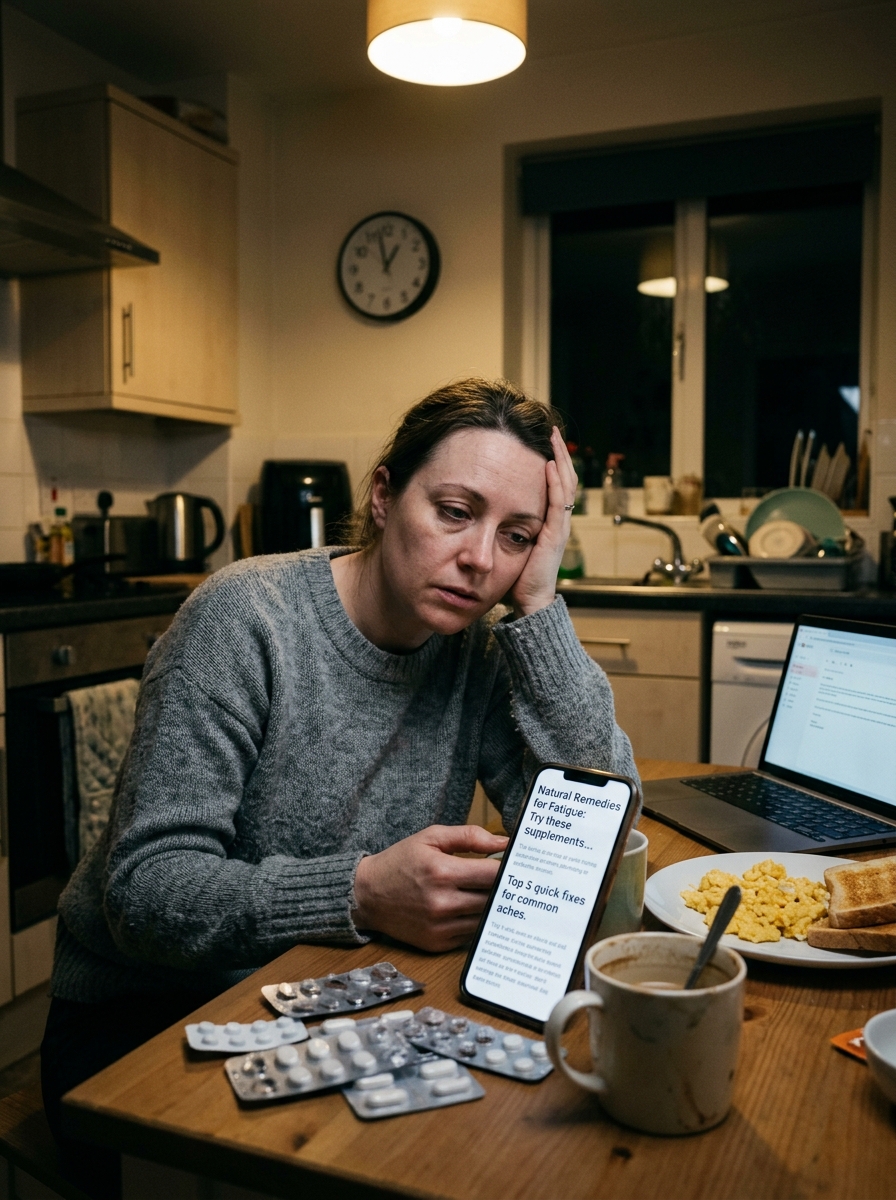
Caffeine is another area where moderation is often ignored. Coffee, tea and energy drinks are part of daily life for millions of people. In reasonable amounts, caffeine can improve alertness and help people get through demanding mornings. But too much caffeine can worsen anxiety, trigger palpitations, disturb sleep, irritate the stomach and create a cycle of daytime exhaustion and nighttime wakefulness. The problem is not one cup of coffee. The problem is using caffeine as a substitute for rest.
Many people underestimate how much caffeine they consume because it comes from several sources: morning coffee, bottled tea, cola, energy drinks, pre-workout products and even some pain medicines. Someone who feels tired after lunch may add another strong drink, then sleep poorly, then need more caffeine the next day. This cycle can feel normal, but it is not a stable health strategy. Cutting back gradually, avoiding caffeine late in the day and drinking more water can help restore a better rhythm.
Staying up late is another self-care failure that many people normalize. Work deadlines, streaming platforms, social media, gaming and late-night messaging can push sleep into the background. Some people believe they can recover by sleeping longer on weekends, but irregular sleep patterns often leave the body tired and confused. Sleep is not empty time. It supports memory, mood, immune function, metabolism and decision-making. Chronic short sleep can make people more vulnerable to stress, mistakes and unhealthy cravings.
A healthier routine begins with treating sleep as a basic need rather than a reward after everything else is done. Going to bed and waking at consistent times, reducing screen use before bed, keeping the bedroom dark and quiet, and avoiding heavy meals late at night are simple but powerful steps. Self-care should not only be about what people do when they are awake; it should also protect the hours when the body repairs itself.
The rise of online health content has created another serious problem: trusting unverified tips. Social media is full of advice about detox drinks, miracle supplements, extreme diets, homemade treatments, hormone “hacks,” parasite cleanses and rapid cures. Some posts are harmless but exaggerated. Others are misleading, expensive or dangerous. A video may look convincing because it features a confident speaker, dramatic before-and-after images or scientific-sounding language. But popularity is not proof.
Reliable health advice should come from qualified professionals, public health agencies, academic medical centers or sources that explain evidence clearly. Warning signs include promises of a guaranteed cure, claims that one product treats many unrelated diseases, pressure to buy immediately, attacks on all mainstream medicine or reliance only on personal testimonials. Personal stories can be meaningful, but they are not the same as clinical evidence. What helped one person may not be safe or useful for another.
Another mistake is delaying medical care when symptoms continue. Many people wait because they are busy, afraid of the cost, embarrassed or convinced the problem will disappear. Some search online until they find a reassuring explanation. Others take painkillers repeatedly to hide symptoms rather than understand them. This can be dangerous when warning signs are missed. Persistent fever, unexplained weight loss, chest pain, shortness of breath, blood in stool or urine, severe headache, fainting, a new lump, ongoing abdominal pain or symptoms that worsen over time should not be ignored.
Seeing a doctor does not mean every symptom is serious. It means uncertainty should be handled properly. Early evaluation can identify problems while they are easier to treat. It can also provide reassurance when symptoms are not dangerous. Good self-care includes knowing when self-care has reached its limit.
The deeper issue is that many people confuse independence with isolation. Taking care of oneself does not mean making every health decision alone. It means building habits that support the body and seeking help when those habits are not enough. A responsible person can rest, hydrate, eat balanced meals and monitor symptoms, but also contact a pharmacist, nurse or doctor when medicine, diagnosis or persistent illness is involved.
The safest approach is practical. Use medicines only as directed. Do not share prescriptions. Keep regular meals whenever possible. Limit caffeine, especially later in the day. Protect sleep. Check health claims before following them. Seek medical advice when symptoms are severe, unusual or prolonged. Self-care should make people safer, not more vulnerable. The goal is not to fear every symptom or reject every home remedy. The goal is to recognize that health is too important to be managed by guesswork.
“””
