
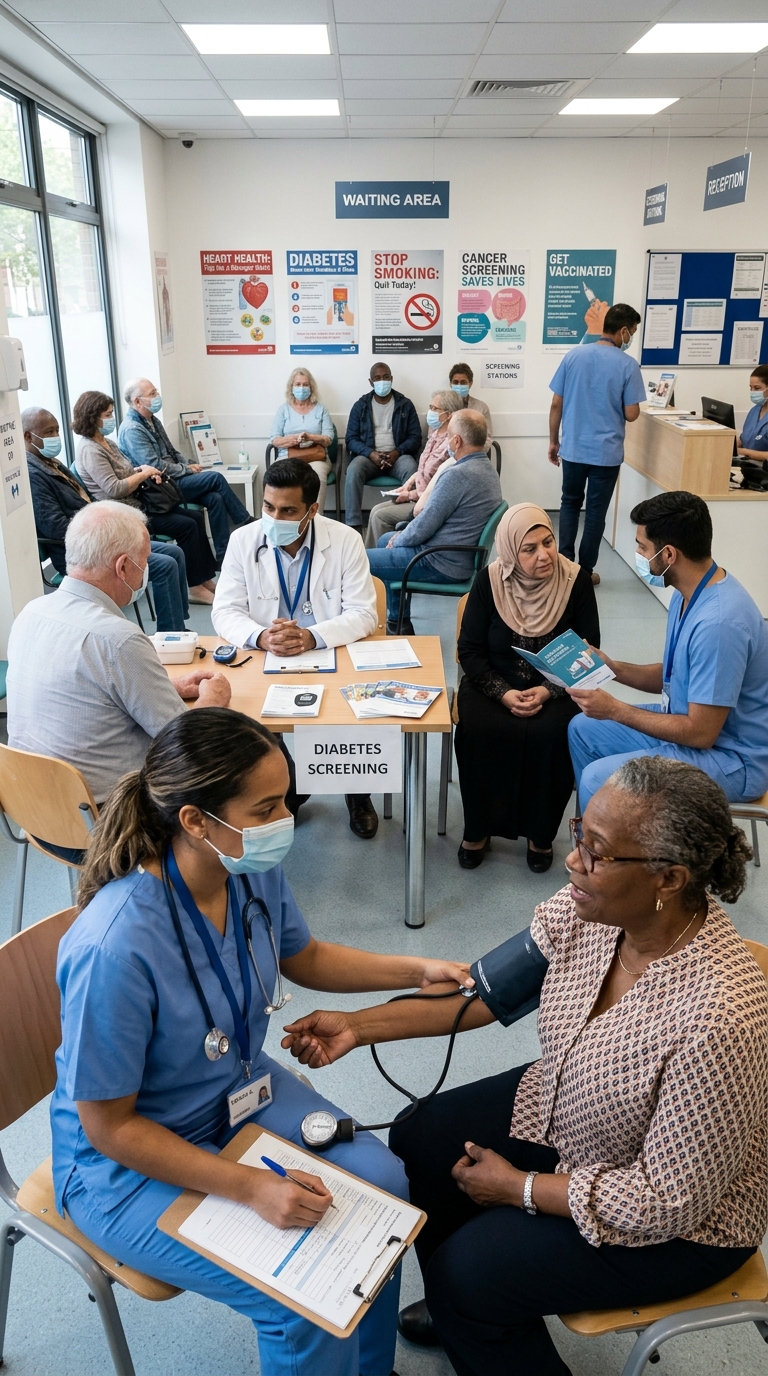
As chronic diseases strain health systems and budgets, governments, doctors and communities are turning toward prevention as one of the most important tools for extending healthy lives.
Preventive health is moving from the margins of medicine to the center of global health strategy. For much of modern medical history, health systems were built largely around treating illness after symptoms appeared. Hospitals, specialist clinics, emergency departments and pharmaceutical breakthroughs became the visible face of care. Yet around the world, a growing share of illness is driven by conditions that develop slowly over years: heart disease, diabetes, cancers, chronic respiratory illness, obesity-related complications and other long-term disorders shaped by biology, environment, behavior and social conditions. This shift has forced governments and health systems to reconsider what health care is for.
The basic argument for prevention is simple but difficult to implement. It is often less expensive, less disruptive and more humane to prevent illness than to treat it after it has progressed. A person whose blood pressure is detected early and managed effectively may avoid a stroke. A smoker who receives sustained support to quit may reduce the risk of lung disease and cancer. A child who grows up in a neighborhood with safe food, clean air, physical activity and access to primary care may have better health decades later. Prevention is not a single intervention. It is a long-term strategy that links clinical care, public policy, education, urban planning, food systems and economic security.
The urgency is clear. Noncommunicable diseases, including cardiovascular disease, cancer, diabetes and chronic respiratory diseases, are now among the leading causes of death worldwide. They affect wealthy and poor countries alike, but their burden is often heaviest in communities with fewer resources. Low- and middle-income countries face a double challenge: infectious diseases and maternal-child health needs have not disappeared, while chronic illnesses are rising rapidly. In many places, health systems designed for acute care are now expected to manage lifelong conditions that require continuous monitoring, affordable medicines, patient education and social support.
Preventive health begins with the recognition that risk accumulates. Many of the conditions that dominate global mortality do not begin suddenly. They develop through years of exposure to risk factors such as high blood pressure, tobacco use, harmful alcohol consumption, unhealthy diets, physical inactivity, air pollution, poor sleep, chronic stress and limited access to care. Some risks are shaped by individual behavior, but many are strongly influenced by environment. People cannot easily choose healthy food if affordable options are unavailable. They cannot exercise safely if streets are dangerous. They cannot attend preventive appointments if clinics are distant, insurance is inadequate or wages are too low to miss work.
This broader understanding has changed how public health leaders discuss responsibility. Prevention is not only about telling individuals to make better choices. It is also about shaping conditions that make healthier choices realistic. Taxes on tobacco, restrictions on marketing unhealthy products to children, cleaner air standards, school meals, vaccination programs, early cancer screening, workplace health protections and safer road design all reflect this logic. The most effective prevention strategies often combine personal support with structural change.
Primary care is the backbone of preventive medicine. Family doctors, nurses, community health workers and local clinics are often the first to detect risk before disease becomes severe. Blood pressure checks, cholesterol testing, diabetes screening, vaccination, counseling, reproductive health care and cancer screening all depend on accessible primary care. In strong systems, primary care does more than respond to illness. It maintains relationships over time, understands family and community context, and helps patients navigate the health system before a crisis occurs.
Yet primary care remains underfunded in many countries. Hospitals tend to attract political attention because they are visible and urgent. Prevention can be harder to defend because success often means that something does not happen. A heart attack avoided, a cancer detected early or an infection prevented may never appear as a dramatic headline. Policymakers often work within short election cycles, while prevention produces benefits over years or decades. This mismatch between political time and health time remains one of the central obstacles to preventive health.
Screening is one of prevention’s most recognizable tools, but it is also one of the most complex. Effective screening can detect disease early, when treatment is more likely to work. Cervical cancer screening, colorectal cancer screening, breast cancer screening in appropriate groups, blood pressure measurement and diabetes testing can save lives when linked to follow-up care. But screening is not automatically beneficial simply because it exists. Poorly designed screening programs can produce false positives, anxiety, overdiagnosis or unnecessary procedures. The value of screening depends on evidence, target population, quality control and access to treatment after detection.
Vaccination remains one of the clearest examples of preventive health success. Immunization programs have reduced illness and death from many infectious diseases and continue to protect communities. Vaccines also illustrate the social nature of prevention. When enough people are immunized, disease transmission can decline, protecting those who are too young, too ill or otherwise unable to be vaccinated. However, vaccine confidence cannot be taken for granted. Misinformation, distrust, unequal access and politicization can undermine programs. Maintaining public trust requires transparent communication, reliable safety monitoring and respect for community concerns.
Nutrition has become one of the most contested areas of prevention. The global food environment has changed rapidly, with ultra-processed foods, sugary drinks and calorie-dense products widely available in many countries. At the same time, many families still struggle with food insecurity and cannot afford diverse, nutritious diets. This creates a paradox: undernutrition and obesity can exist in the same country, city or household. Preventive nutrition policy must therefore address both scarcity and excess, focusing not only on personal education but also on food prices, marketing, labeling, school environments and agricultural priorities.
Physical activity is another pillar of prevention, but it depends heavily on how communities are built. Doctors can advise patients to move more, but advice alone may be insufficient if people live in areas without sidewalks, parks, safe transport or time outside long working hours. Urban planning is therefore a health issue. Cities that support walking, cycling, public transport and green space can help reduce risk for obesity, diabetes, cardiovascular disease and mental distress. The design of daily life can either promote movement or make inactivity the default.
Tobacco control remains one of the most effective prevention strategies in modern public health. Smoking contributes to cancer, heart disease, stroke, lung disease and many other conditions. Countries that have adopted tobacco taxes, advertising restrictions, smoke-free public spaces, warning labels and cessation support have shown that policy can reduce use over time. However, the tobacco industry continues to adapt, and newer nicotine products have raised questions about regulation, youth use and harm reduction. Prevention policy must evolve as markets change.
Alcohol presents a different but equally difficult challenge. Harmful alcohol use is linked to liver disease, cancers, injuries, violence, mental health problems and family harm. Yet alcohol is deeply embedded in social and commercial life in many societies. Prevention may include taxation, restrictions on advertising, limits on availability, drink-driving enforcement and treatment for alcohol use disorder. Public health officials often face resistance from powerful industries and cultural norms, making alcohol policy politically sensitive.
Air pollution demonstrates that prevention extends far beyond hospitals. Polluted air increases the risk of respiratory and cardiovascular disease and affects children, older adults and people with chronic conditions. Individuals have limited power to protect themselves if the air around them is unsafe. Clean energy policy, industrial regulation, transport planning and environmental monitoring become health interventions. Climate policy and health policy increasingly overlap, as heat, wildfire smoke, extreme weather and changing disease patterns create new risks.
Workplace health is another frontier. Adults spend much of their lives working, and employment conditions influence stress, injury risk, sleep, diet, exposure to hazards and access to care. Preventive health in the workplace can include safety protections, mental health support, ergonomic design, paid sick leave, reasonable hours and health screening. The rise of remote work has created new opportunities and risks, including flexibility for some workers but isolation, blurred boundaries and sedentary behavior for others.
Mental health prevention is gaining attention as well. Anxiety, depression and burnout are not only clinical issues; they are shaped by social isolation, financial insecurity, trauma, discrimination, conflict and digital pressure. Schools, workplaces and communities can help prevent mental distress by building supportive environments, reducing stigma, identifying early warning signs and improving access to care. Prevention does not eliminate the need for treatment, but it can reduce suffering before crises occur.
Technology is changing preventive health. Wearable devices, smartphone apps, home testing, telemedicine and artificial intelligence are making it easier to track risk and reach patients outside traditional clinics. Blood pressure monitors, glucose sensors, activity trackers and digital reminders can support healthier behavior and earlier detection. Health systems are using data to identify patients at high risk and intervene sooner. But technology also raises concerns about privacy, inequality and overmedicalization. Digital prevention can widen gaps if only wealthier patients can access devices and reliable internet.
Genomics and personalized medicine are expanding the idea of prevention. Genetic testing may identify people at higher risk for certain cancers, heart conditions or drug reactions. This can guide earlier screening or targeted interventions. However, genetic risk is only one part of health. Social conditions and environment often matter as much or more. Preventive medicine must avoid creating a future in which wealthy people receive personalized risk management while poorer communities lack basic care, clean air and nutritious food.
The economics of prevention are powerful but complicated. Preventive interventions can save money by avoiding expensive treatment, but not all prevention is cost-saving in the short term. Some programs require major investment before benefits appear. Health budgets are often under immediate pressure, and preventive spending may compete with urgent needs such as hospital staffing, medicines and emergency care. Economists and public health leaders increasingly argue that prevention should be treated as infrastructure: an investment in human capacity, productivity and social stability.
Health equity is central to prevention. People with lower incomes, less education, unstable housing, unsafe work or limited access to care often face higher risk and fewer opportunities to reduce that risk. Preventive health campaigns that assume everyone has the same choices can unintentionally blame individuals for conditions shaped by inequality. Effective prevention must prioritize communities with the greatest burden and involve them in designing solutions. Equity is not a secondary moral concern; it is necessary for public health success.
Schools are critical settings for prevention. Children develop habits, receive vaccinations, eat meals, build social skills and encounter early signs of physical or mental health problems in school environments. School-based health programs can include nutrition, physical education, mental health support, sexual health education, dental care and vision screening. These programs can reduce disparities because schools reach children across social backgrounds. However, schools need funding, trained staff and community trust to play this role effectively.
Aging populations make prevention even more important. As people live longer, the goal is not merely to extend lifespan but to increase healthy years. Preventing falls, maintaining mobility, managing blood pressure, supporting social connection, detecting cognitive decline and reducing medication complications can help older adults remain independent. Preventive care for aging societies requires coordination between medical care, housing, transportation, family support and long-term care systems.
Prevention also depends on communication. Public health messages must be accurate, practical and culturally relevant. Fear-based campaigns can sometimes backfire, especially when they stigmatize people living with obesity, addiction, HIV, mental illness or other conditions. Trust is built through consistency, humility and engagement. Communities are more likely to act on health advice when it comes from credible messengers who understand local realities.
The COVID-19 pandemic reshaped public understanding of prevention. It exposed the importance of surveillance, vaccination, ventilation, public communication, emergency preparedness and trust in institutions. It also revealed deep inequalities in exposure, access and outcomes. Many health systems are now asking how to strengthen prevention before the next crisis. Pandemic preparedness is not separate from chronic disease prevention; both require resilient primary care, reliable data, community partnerships and investment before emergencies occur.
The private sector plays a complex role. Employers, food companies, technology firms, insurers, pharmaceutical companies and fitness businesses all influence preventive health. Some contribute useful tools, products and services. Others profit from environments that increase risk. Policymakers must manage conflicts of interest while encouraging innovation that genuinely improves health. Prevention cannot rely only on consumer markets because the people at greatest risk may be least able to pay.
Measuring success remains a challenge. Health systems often track procedures, hospital admissions and medication use more easily than avoided disease or improved quality of life. Better metrics are needed to capture prevention’s value. These may include healthy life expectancy, preventable hospitalizations, risk factor trends, vaccination coverage, early detection rates, air quality, food access and patient-reported outcomes. What gets measured often shapes what gets funded.
The future of preventive health will likely be more integrated. The old separation between clinical medicine and public health is becoming less useful. A patient’s risk of disease is shaped by medical history, neighborhood, income, education, environment and policy. Doctors cannot solve these issues alone, but neither can public health agencies without clinical systems. Prevention requires cooperation across sectors that often operate separately.
There are risks in the prevention movement. It can become moralizing if framed as a demand for perfect behavior. It can become commercialized if wellness products replace evidence-based care. It can become intrusive if data tracking undermines privacy. It can become inequitable if resources flow mainly to people already positioned to benefit. These risks should not weaken the case for prevention; they should make policymakers more careful.
For patients and families, preventive health can feel both empowering and overwhelming. The number of recommendations—eat well, move more, sleep better, reduce stress, avoid tobacco, limit alcohol, attend screenings, take vaccines, monitor risk—can be difficult to manage. Health systems must simplify support rather than merely add instructions. Prevention works best when it is woven into daily life, affordable, accessible and reinforced by social conditions.
The central lesson is that health is produced long before illness reaches the hospital. It is produced in homes, schools, workplaces, streets, food markets, clinics and policy decisions. Medical treatment remains essential, and no prevention strategy can eliminate disease. But a system that waits for illness to become severe will always be under strain. Preventive health offers a different vision: one in which societies invest earlier, act more fairly and measure success not only by lives saved in crisis but by suffering avoided over time.
As chronic diseases continue to shape global mortality and health costs, prevention is no longer optional. It is becoming the frontline of medicine, economics and social policy. The countries that succeed will not be those that simply tell citizens to be healthier. They will be those that build environments where health is easier to protect, risks are detected early and care begins before catastrophe.
“””
