The HBO Max documentary series comes back May 14 with six weekly episodes following the actor through art, adventure, friendship and American craftsmanship.
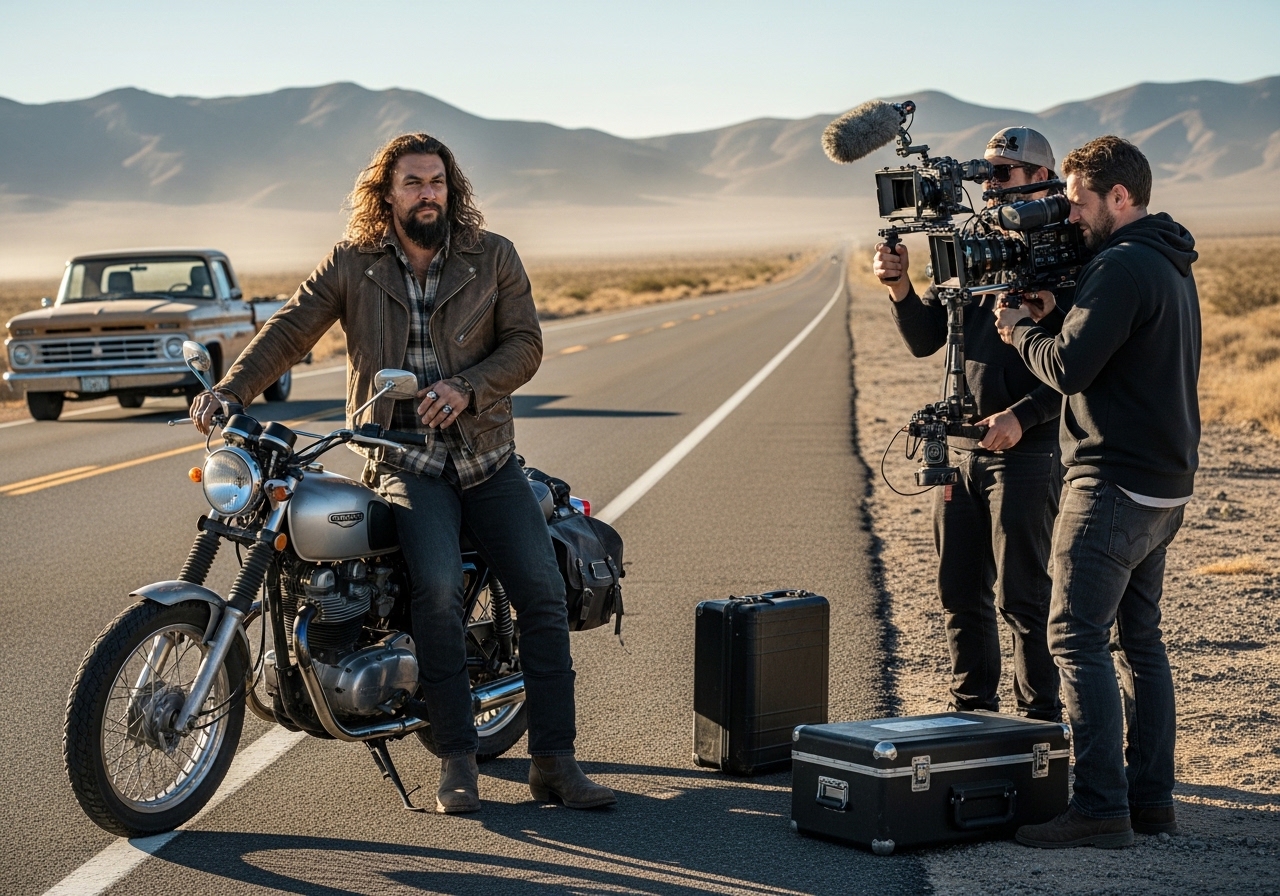
Jason Momoa is going back on the road, and this time the journey appears less like a celebrity travel program than a personal map of the people, places and handmade traditions that continue to shape him. “On The Roam,” the HBO Max documentary series starring and created by the actor, returns for its second season on Thursday, May 14, bringing a new six-episode run built around craftsmanship, friendship, movement and curiosity.
The new season will stream weekly on HBO Max, with the finale scheduled for June 18. Warner Bros. Discovery describes the series as a cinematic docuseries following Momoa as he travels the country in search of art, adventure and friendship through the lens of craftsmanship. That description captures the show’s unusual position in the current television landscape. It is part road series, part artist profile, part personal diary and part celebration of people who build things with their hands.
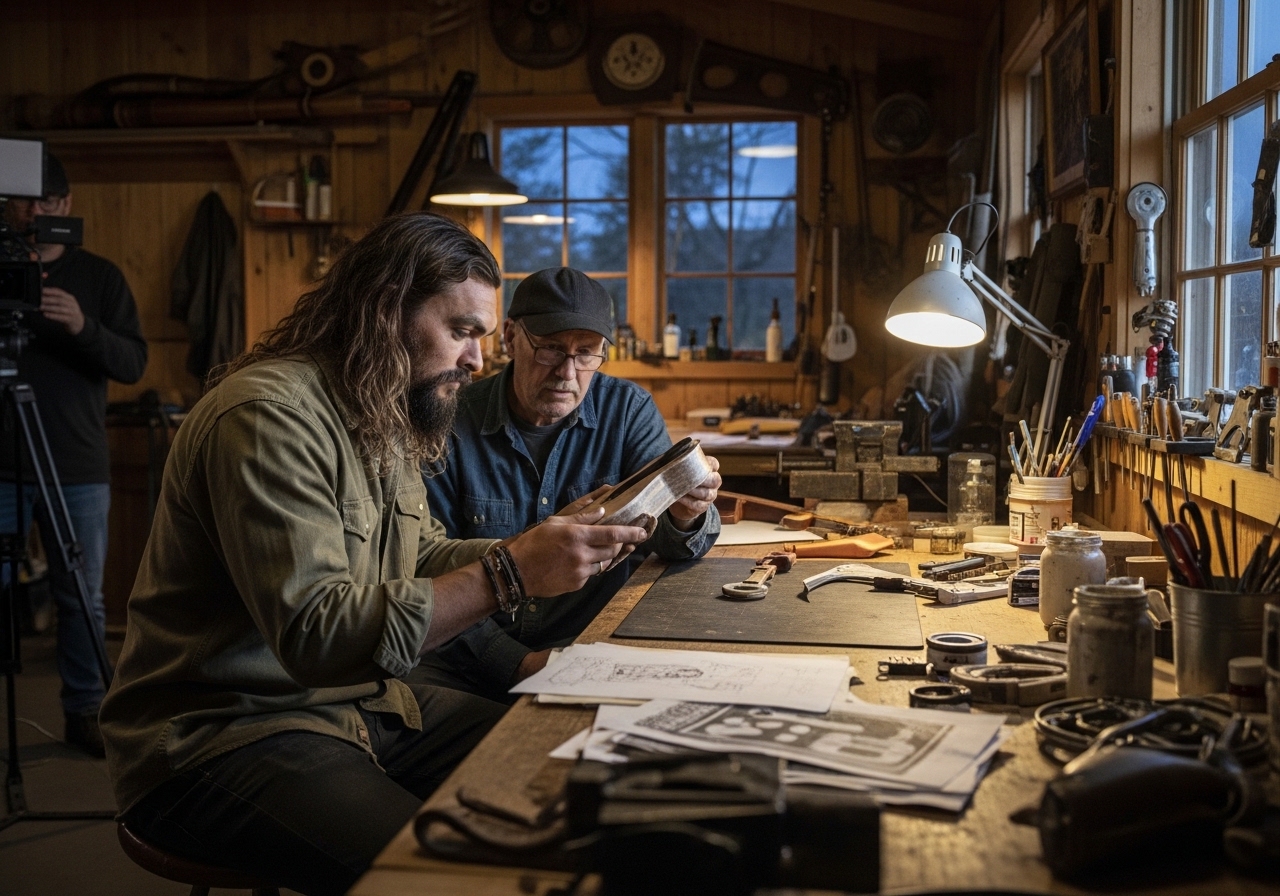
For Momoa, best known globally for roles in “Aquaman,” “Game of Thrones,” “Dune” and other large-scale productions, “On The Roam” has become a different kind of screen project. It does not depend on superhero spectacle, franchise mythology or scripted action. Instead, it presents the actor as a traveler and enthusiast, often placing him beside artisans, musicians, builders, bikers and creators whose work reflects a slower, more tactile culture. In an entertainment market dominated by intellectual property and algorithmic recommendations, the show’s appeal lies in its insistence on human craft.
Season 2 arrives more than two years after the first season premiered in January 2024. The gap has given the series space to return with a clearer identity. The first season introduced the premise: Momoa moving through America, meeting people who inspire him, learning from their work and turning those encounters into intimate, visually rich television. The second season appears to expand that idea while keeping its emotional center intact.
The official materials emphasize art, adventure and friendship, but the deeper theme is legacy. Momoa is drawn to people who preserve skills, styles and traditions that might otherwise be pushed aside by mass production. Whether the subject is motorcycles, music, visual art, handmade objects or the communities built around them, the show treats craft as more than a hobby. It presents it as a way of understanding identity.
That approach gives “On The Roam” a tone distinct from conventional celebrity-hosted travel series. Momoa is not simply arriving as a famous visitor. The series works best when he appears as a student, admirer or collaborator. His physical presence and celebrity status are unmistakable, but the camera often shifts attention toward the people he meets. The result is a show that uses star power to open doors, then attempts to linger on the people behind them.
The second season also arrives at a moment when unscripted and documentary programming remain important to streaming platforms. For HBO Max, a series such as “On The Roam” offers recognizable talent without the production scale of a major scripted drama. It also fits a broader appetite for lifestyle, craft and travel stories that feel personal rather than formulaic. Viewers who may not follow custom motorcycles, painting, music or traditional making can still connect with the emotional structure: admiration, mentorship, risk, memory and friendship.
Momoa’s role behind the camera is central. He is credited as creator and executive producer, with Brian Mendoza also serving as executive producer and James Mendoza as producer. That creative control matters because “On The Roam” is closely tied to Momoa’s public identity. The actor has long presented himself as someone connected to motorcycles, rock climbing, family, environmental causes, Indigenous heritage, handmade design and outdoor culture. The series gives those interests a formal home.
The show also benefits from Momoa’s willingness to be openly enthusiastic. In many celebrity documentaries, access is carefully managed and emotion is polished. “On The Roam” often works in the opposite direction. Its strongest moments come when the actor seems genuinely moved by another person’s skill or story. That vulnerability helps the series avoid becoming a simple showcase of famous friends and expensive toys.
The new trailer suggests that Season 2 will continue to mix humor, physical activity and emotional conversation. Reports on the trailer point to Momoa meeting artists and makers who have inspired him, including moments tied to motorcycles, music and visual art. The season’s promise is not just that viewers will see interesting places, but that they will watch Momoa enter environments where he is willing to learn.
That quality may be important for audiences who know him primarily through muscular, larger-than-life roles. “On The Roam” softens the boundary between the actor’s public mythology and his private interests. It does not erase the image of Momoa as an action star; it complicates it. The show presents him as someone who is physically imposing but emotionally available, deeply masculine in a traditional visual sense yet comfortable with admiration, uncertainty and sentiment.
The May 14 return also comes during a busy period for streaming platforms, which are competing not only for attention but for shows that can build loyalty without requiring massive franchise infrastructure. “On The Roam” may not be designed to dominate pop culture conversation in the way a prestige drama or superhero series might. Its value lies elsewhere: it can attract viewers looking for something sincere, tactile and visually immersive.
The series’ weekly release pattern is notable. In an era when many streaming shows arrive all at once, weekly episodes can help a quieter documentary series build rhythm. Each installment becomes its own journey rather than one chapter swallowed in a binge. That format also suits the road-series structure, allowing audiences to spend time with each subject and location before moving to the next.
There is also a broader cultural resonance to the show’s focus on craft. As artificial intelligence, automation and digital platforms reshape creative industries, programs centered on handmade work carry a particular emotional charge. The appeal of watching someone forge, carve, paint, restore, tune or build something by hand is partly nostalgic, but it is not only nostalgia. It reflects a desire for visible process and human touch.
Momoa’s show understands that desire. It turns craftsmanship into storytelling, not by treating makers as quaint figures from another era, but by presenting them as active cultural forces. Their work carries history, but it also carries risk, innovation and personality. In that sense, “On The Roam” is as much about creative survival as it is about travel.
The success of Season 2 will depend on whether the series can preserve the intimacy that made its premise distinctive. Celebrity-led shows can easily become self-regarding. “On The Roam” avoids that when it allows Momoa’s curiosity to serve the subject rather than consume it. The more the series trusts silence, process and genuine exchange, the stronger it becomes.
As it returns on May 14, “On The Roam” enters a streaming world crowded with louder, faster and more heavily marketed titles. Its advantage is that it does not need to compete on those terms. The show offers a different proposition: follow a familiar star into unfamiliar workshops, studios, roads and conversations, and see what happens when admiration becomes the engine of a journey.
For Momoa, the second season is another chance to define himself outside the blockbuster frame. For HBO Max, it is a character-driven documentary series built around one of Hollywood’s most recognizable figures. For viewers, it is an invitation to slow down and look closely at the people who make things, not because efficiency demands it, but because meaning often lives in the making.