New reporting highlighted by ScienceDaily points to a broader scientific reassessment of creatine, a compound long associated with strength training but increasingly studied for its possible roles in brain energy, cognition, mood, aging and cellular resilience.
NEW YORK — Creatine, one of the world’s most familiar sports supplements, is being pulled into a much wider scientific conversation.
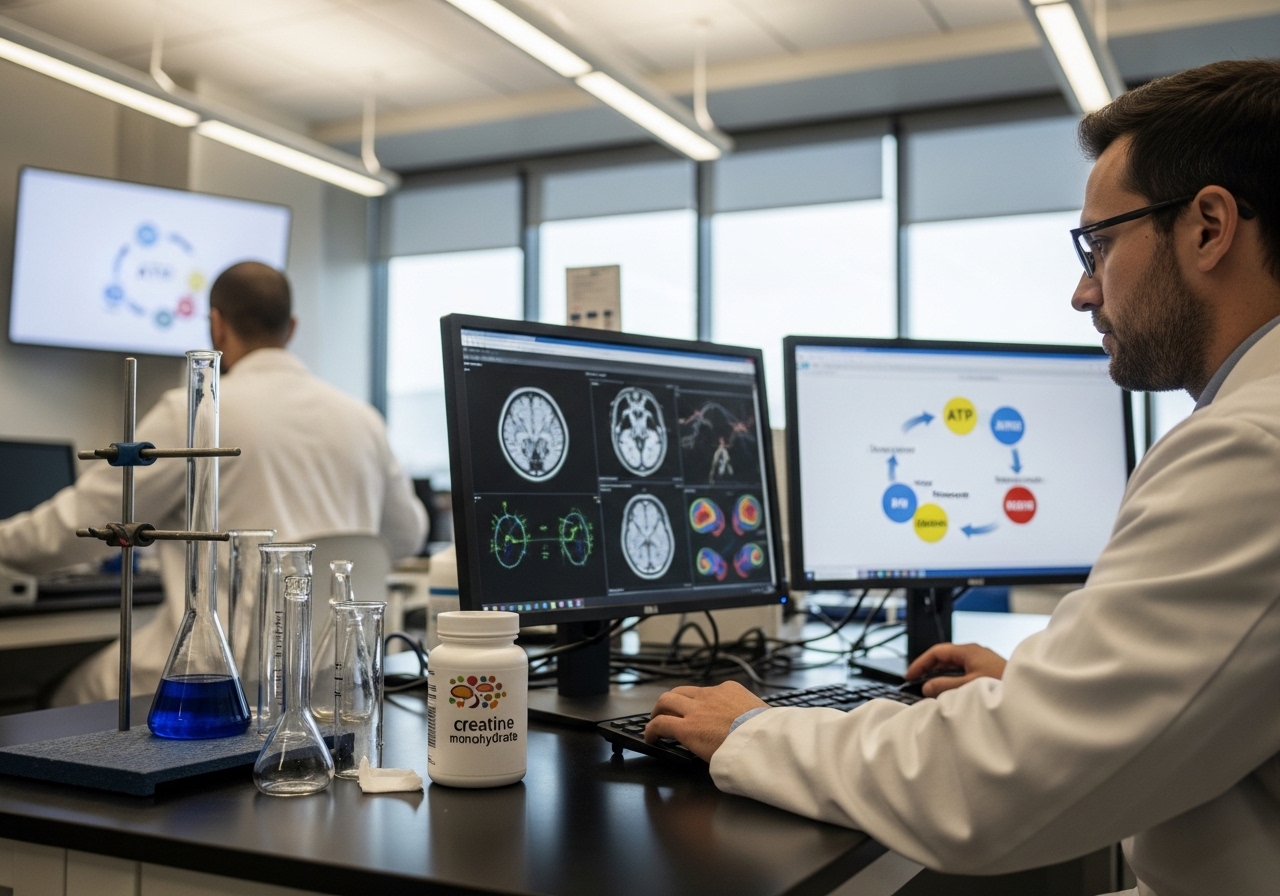
A new ScienceDaily update, drawing on material from Taylor & Francis Group, has renewed attention on creatine’s biological role beyond muscle gain. The report described creatine as a naturally produced compound that helps regenerate adenosine triphosphate, or ATP, the molecule cells use as a rapid source of energy. That function has made creatine popular among athletes seeking short bursts of power, but researchers are increasingly examining whether the same energy-buffering system may matter in the brain, the heart and other tissues under stress.
The shift does not mean creatine has suddenly become a proven treatment for memory loss, depression or neurological disease. The evidence remains uneven, especially for cognitive outcomes. But the direction of research is clear: creatine is no longer being treated only as a gym supplement. It is being investigated as part of a wider network of cellular energy metabolism, with possible relevance to sleep deprivation, aging, inflammation, brain function and recovery from metabolic strain.
Creatine is produced in the body and also obtained through foods, particularly meat and fish. Once stored as phosphocreatine, it helps cells rapidly recycle ATP during high-demand activity. In skeletal muscle, that mechanism is well established. It helps explain why creatine monohydrate has become one of the most studied and widely used supplements in sports nutrition.
What is changing is the scientific emphasis. Researchers are asking whether tissues outside muscle, especially the brain, may benefit from improved energy availability when demand rises or energy supply is constrained. The brain uses a large share of the body’s energy, and even modest disruption in energy metabolism can affect attention, memory, fatigue and mood. That has made creatine attractive to scientists studying cognitive performance under stress.
Recent reviews have described creatine supplementation as promising but not settled for brain health. A 2026 review in the Journal of Nutritional Physiology said the current evidence has “promising translational value” but remains small, fragmented and limited by methodological problems. Among the challenges are inconsistent dosing, differences between study populations, varying cognitive tests and difficulty measuring how much creatine actually rises inside the brain after supplementation.
That caution is important. Creatine’s reputation in sports is built on a large body of research, but the brain-health literature is not yet equally mature. Some studies suggest benefits for memory, processing speed or mental fatigue, especially in people with lower baseline creatine levels or during metabolically demanding conditions such as sleep deprivation. Other analyses have found weaker or inconsistent effects, and researchers have warned that statistical choices and small sample sizes can exaggerate findings.
Still, the biological rationale is strong enough to keep the field moving. Creatine acts as an energy buffer, helping cells manage short-term spikes in demand. In theory, that could matter when the brain is under pressure: during poor sleep, intense mental work, aging, hypoxia or illness. The question is not whether creatine is biologically important; it is whether supplementation produces reliable, clinically meaningful benefits in real people outside controlled laboratory settings.
Researchers are also exploring what some describe as a muscle-brain axis. A 2025 review in Frontiers in Nutrition noted that creatine may influence oxidative stress, inflammation and signaling molecules associated with exercise and brain function. That work remains exploratory, but it reflects a broader trend in biomedical research: muscle is increasingly understood not merely as tissue for movement, but as an organ system that communicates with the brain and metabolism through biochemical signals.
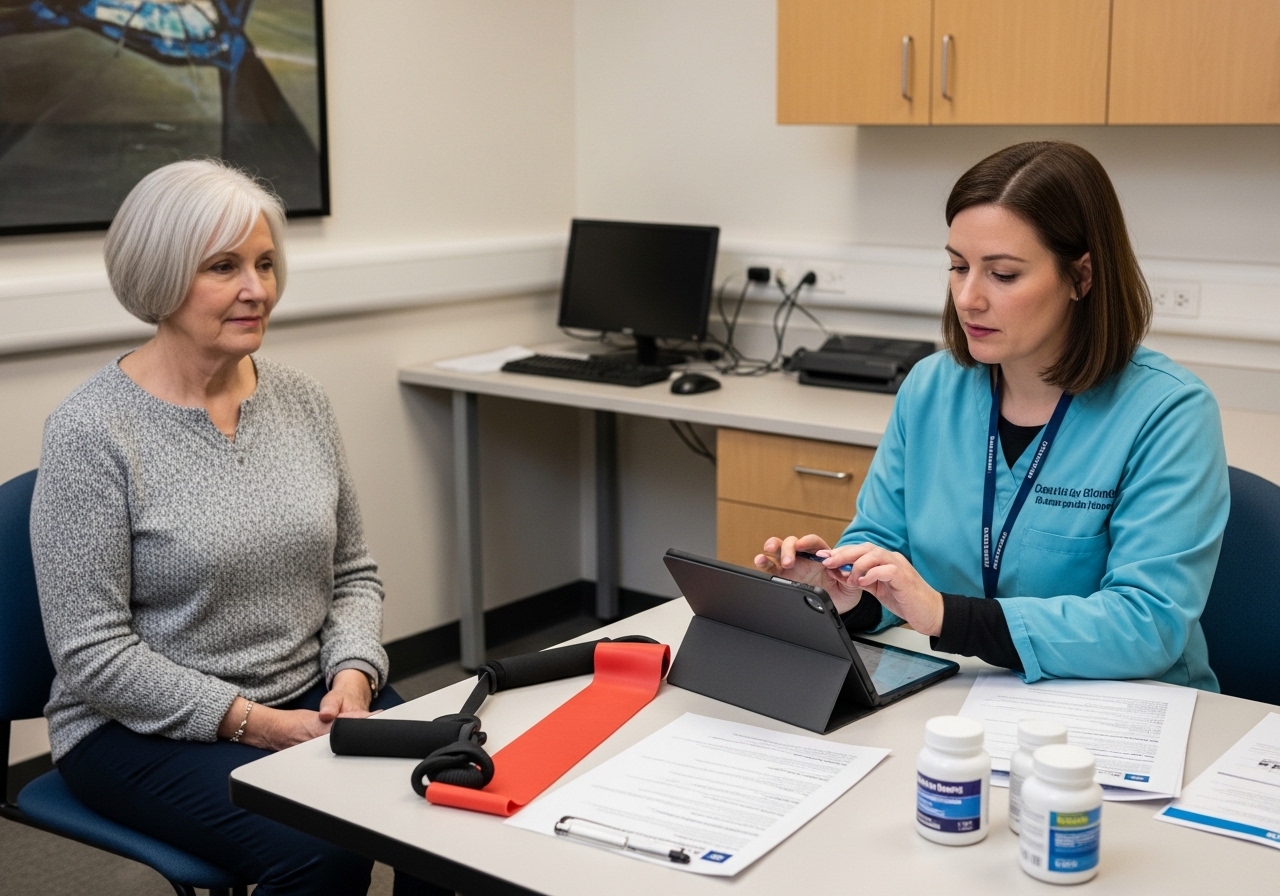
The aging population is another reason creatine has attracted attention. Older adults face overlapping risks: loss of muscle mass, reduced strength, cognitive decline, poorer sleep and chronic inflammation. Creatine’s best-supported role remains in combination with resistance training, where it may help improve strength and lean mass in some populations. But researchers are now asking whether the same supplement could also support aspects of cognitive resilience or reduce fatigue in older adults.
The answer is not yet definitive. Some findings suggest older adults may be more likely than healthy young adults to show cognitive benefits, possibly because their baseline energy metabolism or dietary creatine intake differs. But experts continue to call for larger, better-designed trials that measure both cognitive outcomes and brain creatine levels directly.
Mood is another emerging area. Because depression, fatigue and stress-related disorders may involve altered energy metabolism, creatine has been studied as a possible adjunct to mental health treatment. Early findings have generated interest, particularly around its interaction with brain energy systems, but creatine should not be presented as a stand-alone psychiatric treatment. The responsible interpretation is that it is a candidate for further study, not a replacement for medical care.
Safety remains one reason creatine is attractive to researchers. Creatine monohydrate has been studied extensively and is generally considered safe for healthy adults at standard doses commonly used in sports nutrition. But that does not mean every person should take it casually or at high doses. People with kidney disease, those taking medications affecting kidney function, pregnant people and individuals with significant medical conditions should seek clinical advice before using supplements. High-dose protocols sometimes used in research should not be assumed appropriate for general use.
The expanding interest in creatine also reflects the supplement industry’s tendency to move faster than the evidence. As soon as a compound gains attention for brain health, marketing claims can leap ahead of science. Researchers have already warned of a disconnect between public enthusiasm and the quality of available evidence. That makes careful science communication essential.
ScienceDaily’s report is part of that larger communication challenge. It brings attention to creatine’s broader biology, but the public message must remain balanced. Creatine may support cellular energy systems beyond muscle. It may help some cognitive functions in some circumstances. It may be especially relevant when the body or brain is under metabolic stress. But “may” is the key word. The strongest claims still belong to physical performance, particularly repeated short bursts of high-intensity effort.
For consumers, the practical takeaway is not that creatine has become a miracle supplement. It is that a familiar compound is being studied in more sophisticated ways. The same molecule that helps an athlete perform another sprint or lift may also be involved in how the brain manages energy demand, how aging tissues respond to stress and how muscle and brain biology communicate.
That scientific expansion could have real consequences. If future trials show reliable cognitive or neurological benefits, creatine could become relevant in settings far removed from gyms: sleep-deprived workers, older adults, rehabilitation programs, neurological research or clinical nutrition. But those possibilities require stronger evidence, clearer dosing strategies and better understanding of who benefits most.
For now, creatine sits at an unusual crossroads. It is old enough to be familiar, cheap enough to be widely available and biologically interesting enough to keep attracting new research. Its next chapter will depend less on social-media enthusiasm than on whether rigorous studies can separate genuine benefit from hopeful extrapolation.
The emerging picture is neither hype nor dismissal. Creatine remains a well-established sports supplement, but it is also a molecule central to cellular energy. That dual identity explains why scientists are looking beyond muscle gain. The weight room made creatine famous; the laboratory may determine how much further its relevance extends.