
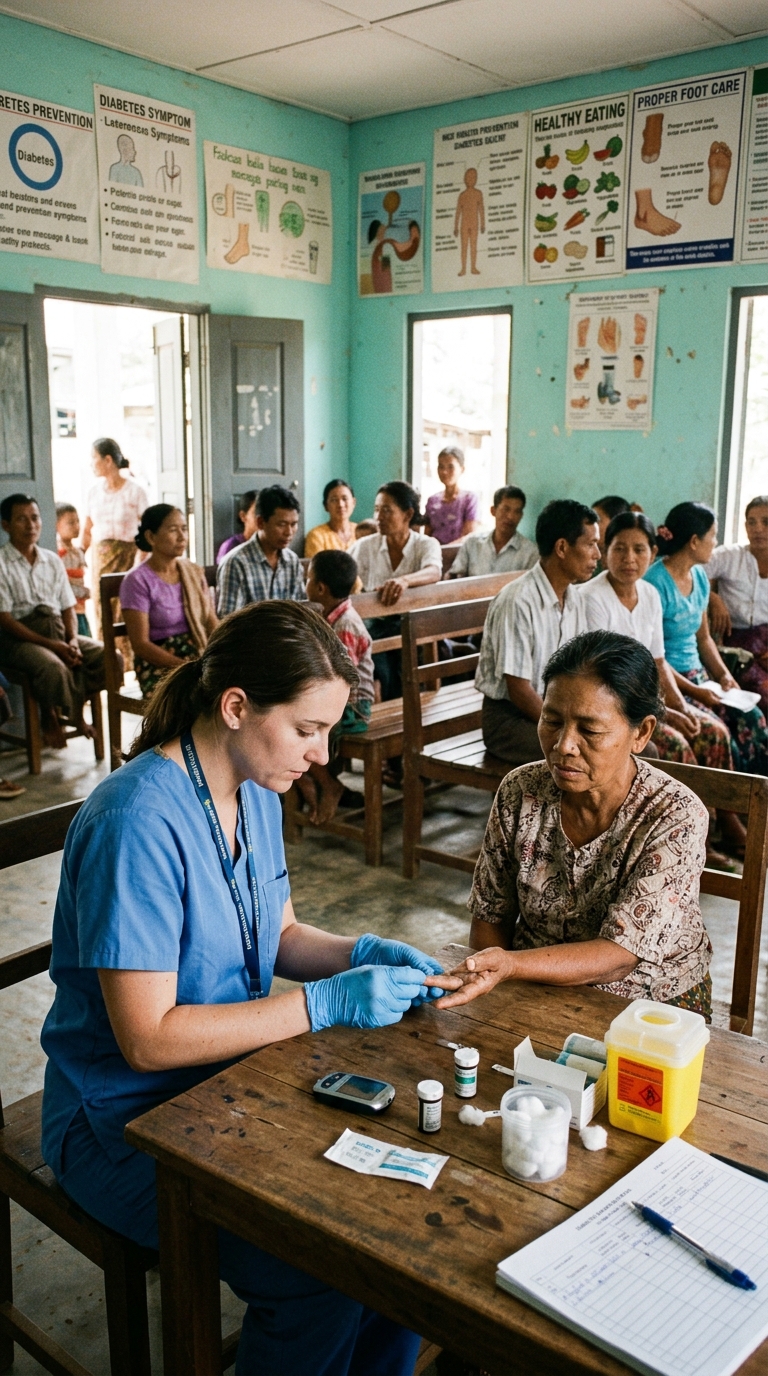
A growing global diabetes burden is forcing countries to focus on early detection, affordable care and prevention beyond the clinic.
Diabetes is one of the clearest examples of a modern health crisis that grows quietly. Many people live for years with high blood sugar before symptoms appear. By the time they seek care, complications may already be affecting the eyes, kidneys, nerves, heart or blood vessels.
The International Diabetes Federation’s 2025 Atlas describes a rapidly expanding global burden, with hundreds of millions of adults living with diabetes and many more expected to be affected in coming decades. A major concern is undiagnosed disease: millions of people do not know they have diabetes and therefore receive no treatment to prevent complications.
Type 2 diabetes accounts for most cases. It is linked to age, family history, excess weight, physical inactivity and food environments that make unhealthy choices cheap and convenient. But physicians emphasize that blame is misplaced. Diabetes risk is shaped by income, urban planning, food systems, work schedules, stress and access to preventive care.
The disease is increasingly common in low- and middle-income countries, where health systems may already be stretched by infectious diseases, maternal health needs and limited specialist care. In these settings, diabetes can become catastrophic for families. Insulin, glucose test strips, clinic visits and treatment for complications can consume household income.
Diagnosis is a major challenge. A simple blood test can detect high blood sugar, but many adults have limited contact with primary care. Community screening can help, particularly for people with risk factors such as obesity, hypertension, history of gestational diabetes or family history. But screening only works if people who test positive can access follow-up care.
Treatment has improved, but access remains unequal. Some patients need lifestyle support and oral medicines. Others require insulin, which must be affordable, safely stored and consistently available. Interruptions can be dangerous, particularly for people with type 1 diabetes, who depend on insulin to survive.
Complications are the most costly part of diabetes. Kidney failure may require dialysis. Nerve damage can lead to foot ulcers and amputations. Eye disease can cause blindness. Cardiovascular disease remains a leading cause of death among people with diabetes. Early control of blood sugar, blood pressure and cholesterol can reduce these risks, but only if care is continuous.
Doctors increasingly call for integrated treatment. A person with diabetes should not have to visit separate disconnected services for blood pressure, eye checks, kidney tests and foot care. Primary care systems can manage much of the burden if they are properly funded and supplied.
Prevention is broader than medical advice. People are often told to eat healthier and exercise, but those recommendations are difficult where safe sidewalks are absent, healthy food is expensive, workdays are long and marketing promotes sugary drinks. Policies on school meals, food labeling, urban design and taxation can influence risk at population level.
Gestational diabetes adds another dimension. High blood sugar during pregnancy can affect both mother and child and may signal higher future risk of type 2 diabetes. Antenatal care offers an opportunity for early detection, but many women still lack access to regular pregnancy services.
Technology is changing diabetes care for some. Continuous glucose monitors, insulin pumps and mobile health tools can improve control. But these advances remain out of reach for many patients. Equity in diabetes care now includes not only access to medicines but also access to information, monitoring and trained support.
The diabetes crisis reflects a larger transition in global health. Chronic diseases now dominate the burden in many countries, but health systems were often built for acute illness. Managing diabetes requires long-term relationships between patients and care teams.
There is no single solution. Early diagnosis, affordable medicines, healthier environments, patient education and stronger primary care all matter. Without them, diabetes will continue to rise quietly until complications become visible in hospitals, workplaces and households.
The disease may be chronic, but its worst outcomes are not inevitable. With timely care and prevention, millions of people can live long and healthy lives. The challenge is making that possibility available beyond the privileged few.
“””
