
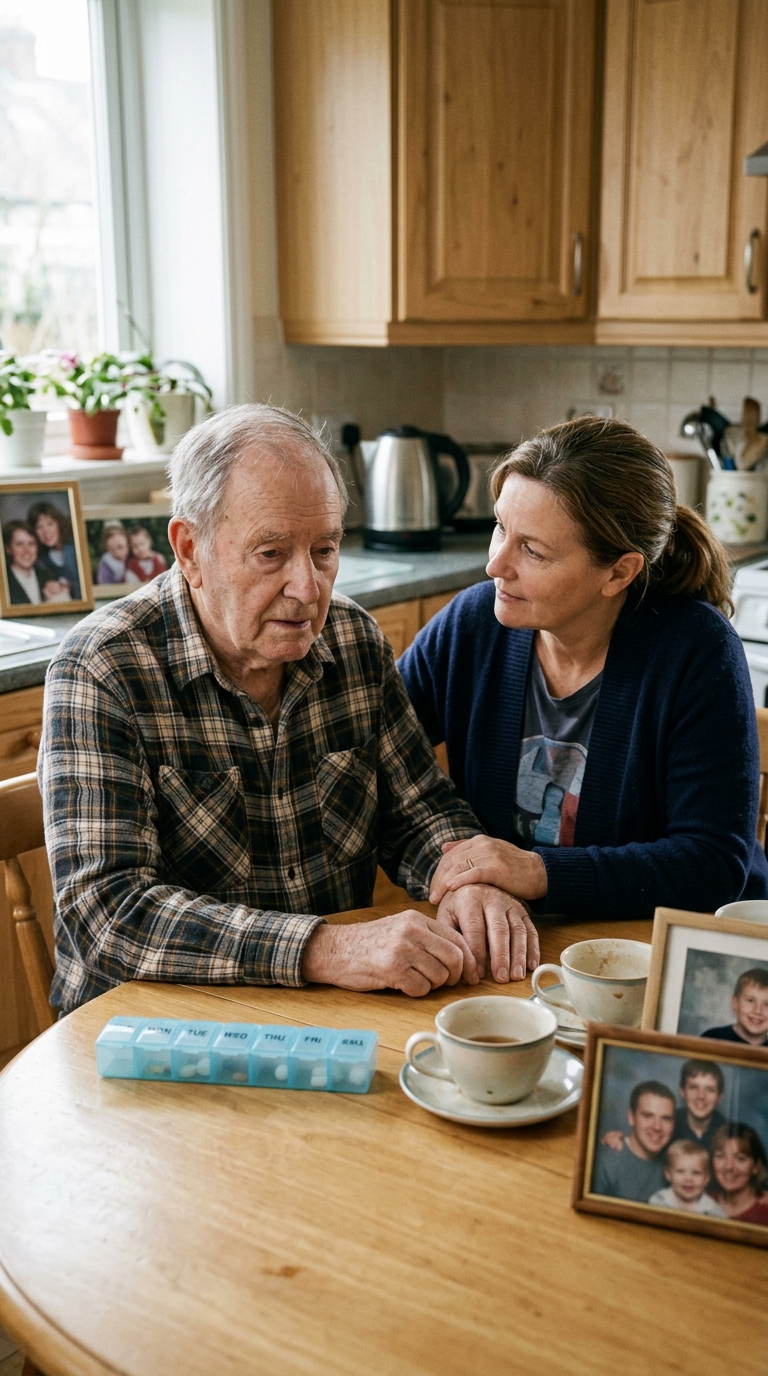
With populations aging, dementia is becoming a defining health and social challenge for governments that still rely heavily on unpaid care.
Dementia is often spoken of as a private family tragedy, but its growing scale has made it a public issue. Across countries, families are reorganizing lives around memory loss, confusion, personality changes and the gradual loss of independence among parents, spouses and grandparents.
The World Health Organization says dementia is a major cause of disability and dependency among older people. Alzheimer’s disease is the most common form, but dementia includes several conditions that affect memory, thinking, behavior and the ability to perform daily activities.
More than 55 million people are estimated to live with dementia worldwide, and the number is expected to rise sharply as populations age. The largest increases are projected in low- and middle-income countries, where formal long-term care services are often limited.
The first signs can be subtle. A person may forget appointments, repeat questions, become lost in familiar places, struggle with money or show unexpected changes in mood. Families may dismiss symptoms as normal aging, but dementia is not a normal part of aging. Early assessment can help identify treatable causes of cognitive symptoms and allow families to plan.
Diagnosis remains uneven. In many places, specialists are scarce and memory clinics exist only in major cities. Stigma also delays care. Some families hide symptoms because they fear social judgment or believe nothing can be done. But diagnosis can connect patients to support, safety planning, symptom management and legal protections.
There is no cure for most forms of dementia, although some treatments may help manage symptoms or slow progression in selected patients. Non-medical support is equally important: structured routines, physical activity, social engagement, caregiver education and safe home environments can improve quality of life.
Caregiving is the center of the dementia story. Family members often manage bathing, meals, medication, finances, transportation and supervision. Many reduce work hours or leave jobs. Women carry a disproportionate share of this unpaid labor, both as caregivers and as people living with dementia.
The economic costs are enormous. They include medical care, social services, lost wages and unpaid family care. Yet national budgets often underfund dementia compared with its burden. Health systems may treat dementia only after crises occur, such as falls, wandering, hospitalization or caregiver burnout.
Long-term care is one of the hardest policy questions. Families may want to keep loved ones at home, but home care requires training, respite support and financial assistance. Residential care can be expensive, variable in quality or culturally unacceptable. Many countries have not built systems for the scale of aging now underway.
Prevention is gaining attention. Research indicates that some dementia risk can be reduced by addressing factors such as hypertension, diabetes, smoking, hearing loss, depression, social isolation, physical inactivity and air pollution. Prevention does not eliminate all risk, but it can delay or reduce cases across populations.
Dementia also raises human rights concerns. People with cognitive impairment may be excluded from decisions about their own lives, denied appropriate care or subjected to restraint and neglect. Advocates call for policies that protect dignity, autonomy and inclusion.
The health workforce needs training. A rushed clinic visit may miss caregiver distress or safety risks. Police, emergency responders, bank workers and transport staff may also need dementia awareness because confusion can appear in public settings.
Technology may help but cannot replace care. GPS devices, medication reminders and remote monitoring can support safety, but they raise privacy questions and still require human response. The most effective systems combine practical tools with trained people.
The future of dementia care will depend on whether governments recognize unpaid caregivers as part of the health system. Families cannot carry the burden alone. They need respite, income protection, counseling and reliable services.
Dementia changes memory, but it also tests memory at a societal level: whether communities remember the obligations owed to people who once cared for others. As the number of affected families grows, dementia policy is no longer optional. It is becoming a measure of how aging societies define care, dignity and responsibility.
“””
