
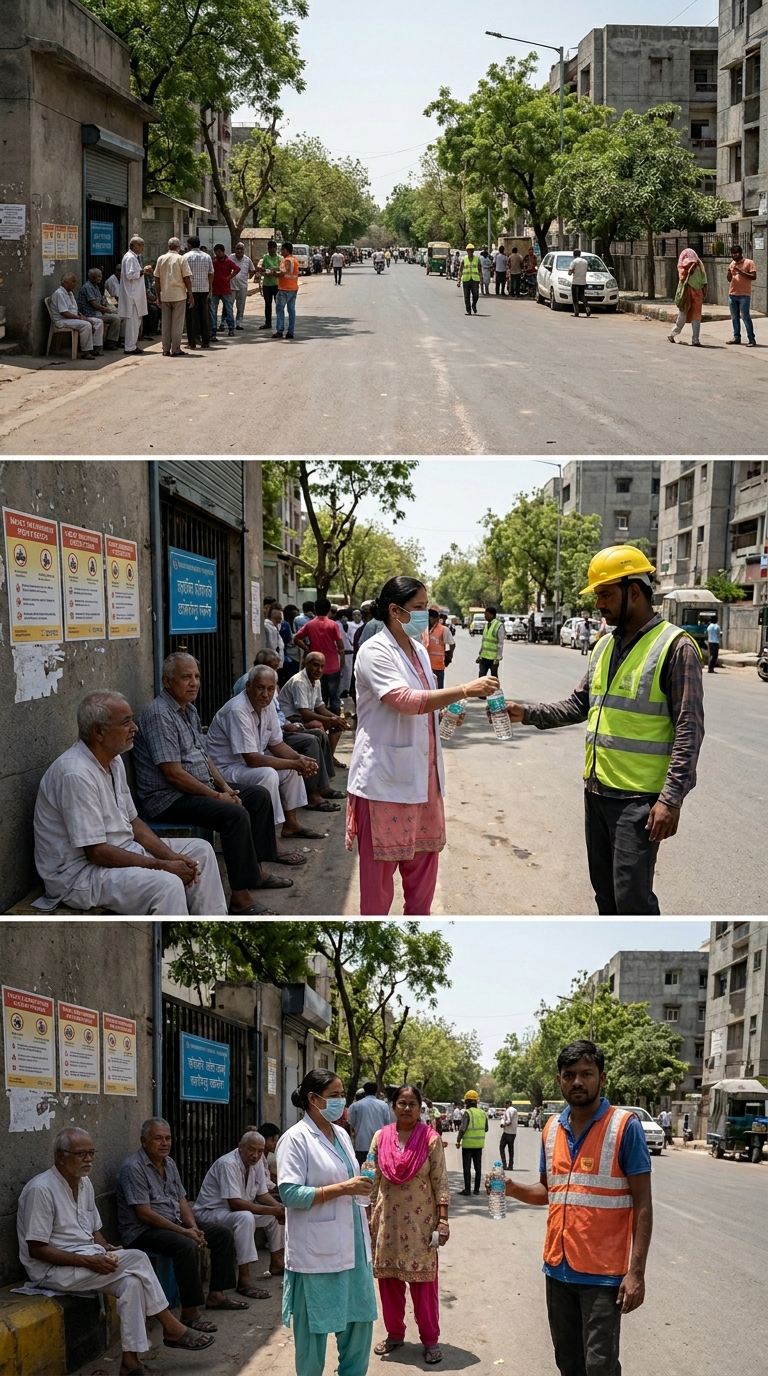
As temperatures rise, doctors and city officials are confronting a silent threat that kills quickly, unevenly and often without dramatic warning.
Across much of the world, extreme heat is no longer being treated only as a weather event. It is increasingly understood as a public health emergency, one that strains hospitals, disrupts work, worsens chronic illness and exposes deep inequalities in housing, labor and access to care.
The World Health Organization says the frequency and intensity of extreme heat and heat waves will continue to rise in the 21st century because of climate change. Long periods of high daytime and nighttime temperatures place cumulative stress on the body, increasing the risk of heat exhaustion, heatstroke, dehydration, kidney injury and cardiovascular complications.
Unlike floods or storms, heat often leaves no visible line of destruction. It kills in apartments without air conditioning, on farms and construction sites, in crowded urban neighborhoods and among people who already live with illness. Older adults, infants, pregnant women, outdoor workers, people with disabilities and those without stable housing are among the groups most exposed.
Doctors say the danger begins before temperatures reach record levels. High humidity can prevent sweat from evaporating, limiting the body’s ability to cool itself. Warm nights can be especially dangerous because the body has less time to recover. For people with heart disease, diabetes, kidney problems or respiratory illness, the added strain can become life-threatening.
Cities are now central to the heat debate. Dense neighborhoods with asphalt, concrete and limited tree cover trap warmth, creating urban heat islands where nighttime temperatures remain higher than in surrounding areas. Poorer communities often have fewer parks, less shade and older housing, meaning residents may face greater exposure while having fewer resources to respond.
Hospitals are adapting, but many remain vulnerable. Emergency departments often see surges in dehydration, fainting, heatstroke and worsening chronic disease during heat waves. Power failures can turn medical facilities into crisis zones, especially where patients rely on oxygen concentrators, dialysis, refrigerated medicines or electrically powered devices.
Public health agencies are pushing for earlier warnings, targeted outreach and practical protections. Those measures include cooling centers, shaded bus stops, safe drinking water access, worker rest breaks, emergency checks on isolated residents and heat-health warning systems that trigger action before mortality rises.
Still, experts say warnings alone are not enough. A text alert cannot protect a person who cannot afford to run an air conditioner, a migrant worker who fears losing wages, or an older person living alone on the top floor of an overheated building. Heat planning increasingly requires social policy, housing reform and labor protection.
The economic effects are also mounting. Heat reduces labor productivity, threatens food systems, disrupts schooling and increases demand for electricity. In places where power grids are fragile, the same heat wave that creates the need for cooling can also cause blackouts.
Climate scientists emphasize that adaptation and emissions reduction must move together. Better emergency systems can save lives in the near term, but continued warming will expand the scale of the problem. Health officials say the most effective response is to prevent avoidable exposure while reducing the drivers of climate change.
For households, doctors advise simple but urgent precautions: drink water before feeling thirsty, avoid strenuous outdoor activity during peak heat, check on vulnerable relatives and neighbors, keep medicines properly stored and seek help immediately for confusion, fainting, hot dry skin or persistent vomiting.
The deeper challenge is collective. Heat exposes whether a society has designed homes, workplaces, transport systems and public spaces for the climate people now live in. As summers grow hotter, the question facing governments is no longer whether heat is a health threat. It is whether public systems can move fast enough to protect those most at risk.
“””
