
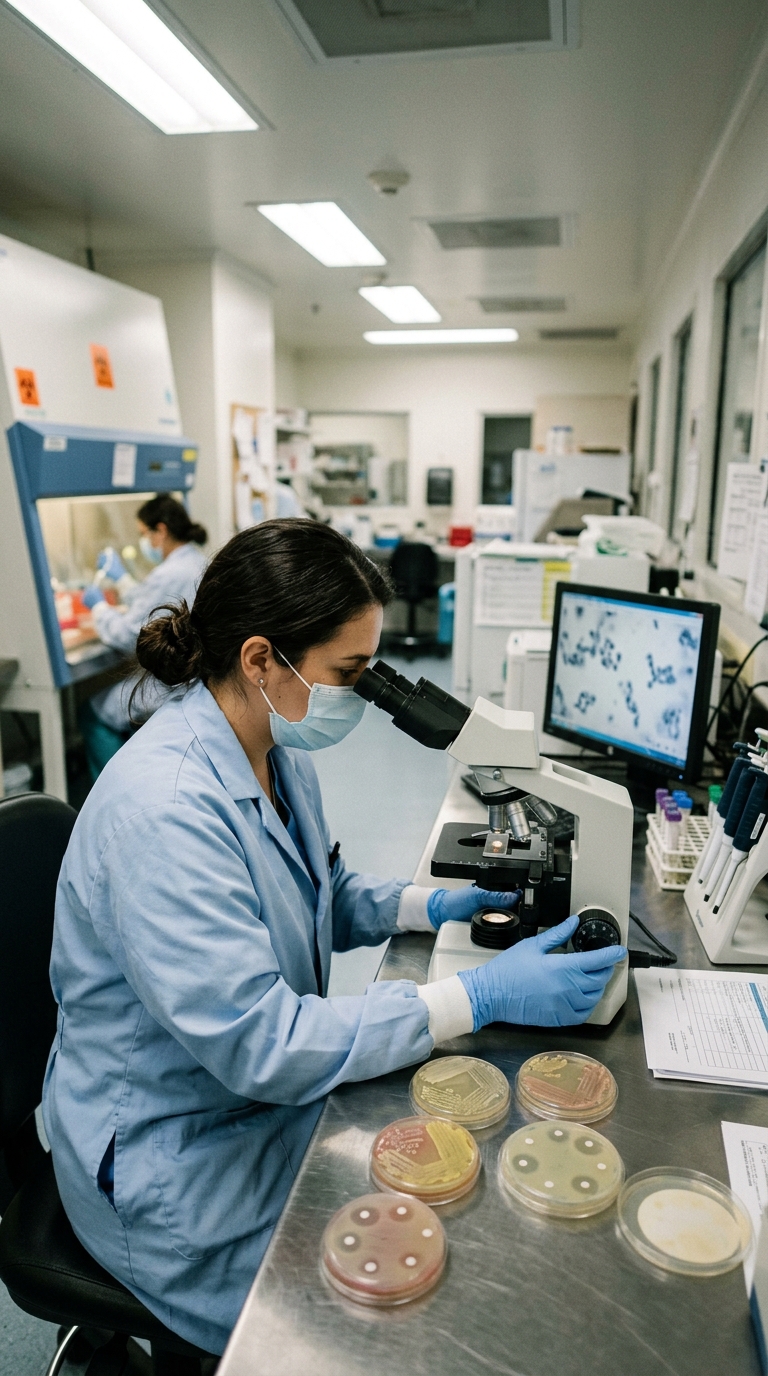
Antimicrobial resistance is turning once-routine infections into complex medical threats, putting modern medicine under pressure from hospitals to farms.
For decades, antibiotics transformed medicine. They made surgery safer, childbirth less dangerous and common bacterial infections treatable. But the growing spread of antimicrobial resistance is weakening that foundation, forcing governments and health systems to confront a crisis that is both medical and economic.
The World Health Organization describes antimicrobial resistance as an urgent global health and sustainable development challenge. Bacterial resistance was associated with an estimated 4.71 million deaths in 2021, including 1.14 million deaths directly attributable to resistant infections. Without stronger action, WHO warns that drug-resistant infections could claim tens of millions of lives by mid-century.
Resistance occurs when bacteria, viruses, fungi or parasites change over time and no longer respond to medicines that once killed or controlled them. The result is harder-to-treat disease, longer hospital stays, higher medical costs and greater risk of death.
Doctors see the consequences in intensive care units, cancer wards, neonatal units and clinics treating tuberculosis, urinary tract infections, pneumonia and bloodstream infections. When first-line antibiotics fail, physicians may be forced to use more expensive drugs, medicines with greater side effects, or combinations that are less reliable.
The problem is driven by many forces. Antibiotics are sometimes prescribed when they are not needed, taken incorrectly or sold without proper oversight. In some countries, patients cannot afford full courses of treatment. In others, antibiotics are heavily used in livestock production, contributing to the broader pool of resistance. Poor sanitation, limited laboratory capacity and weak infection control allow resistant organisms to spread.
Low- and middle-income countries often face the highest burden, not because resistance respects borders, but because health systems may lack rapid diagnostics, clean water, isolation facilities and access to newer antibiotics. A patient with a resistant infection in a well-equipped hospital may receive laboratory-guided treatment within hours. In an under-resourced clinic, the same infection may be treated blindly, too late or with unavailable medicines.
Antimicrobial resistance also threatens medical progress beyond infection treatment. Chemotherapy, organ transplantation, joint replacement and major surgery depend on effective antibiotics to prevent and manage infection. If those protections weaken, many procedures become riskier.
Public health experts say the response must be broader than asking doctors to prescribe less. Hospitals need stewardship programs that guide appropriate antibiotic use. Clinics need affordable tests that distinguish bacterial from viral infections. Farmers need practical alternatives to routine antibiotic use. Pharmaceutical companies need incentives to develop new drugs, while governments must ensure access without encouraging overuse.
Vaccination also plays an important role. Preventing infections reduces the need for antibiotics and lowers opportunities for resistance to emerge. Clean water, sanitation and infection prevention are equally important, particularly in crowded hospitals and communities where resistant pathogens spread easily.
The economics are difficult. New antibiotics are often held in reserve to preserve their effectiveness, limiting sales and weakening commercial incentives. At the same time, patients in many countries cannot access even older essential antibiotics. The world must solve both scarcity and overuse at once.
Global coordination is essential because resistant infections travel. They move through hospitals, food systems, migration, trade and the environment. A resistant strain detected in one city can become an international problem within months.
For patients, the message is practical. Antibiotics should be taken only when prescribed by a qualified professional, exactly as directed, and never shared or saved for later. But individual responsibility cannot replace policy. The crisis was created by systems, and systems must change.
Antibiotics remain among humanity’s greatest medical tools. The challenge now is to protect them as a shared resource. If governments delay, the world may enter an era in which minor injuries, routine operations and common infections again carry risks that modern medicine once seemed to have left behind.
“””
