
After years of extreme workouts and body transformation promises, many people are choosing movement that supports everyday life.
Fitness culture has long been shaped by intensity. Faster results, harder classes, visible abs and dramatic before-and-after images dominated advertising and social media. But a quieter shift is underway. More people are asking whether exercise can be less about performance and more about living well for longer.
The World Health Organization emphasizes that regular physical activity benefits health across age groups. That message is broad, but the lifestyle translation is personal. People want strength to carry groceries, flexibility to play with children, balance to avoid falls, stamina to travel and enough energy to move through the day without pain.
The change is visible in gyms and online communities. Strength training is increasingly promoted for older adults and beginners, not only athletes. Mobility exercises, walking clubs, Pilates, swimming and low-impact workouts are gaining appeal. Rest days are discussed more openly. The language is shifting from punishment to maintenance.
Part of the shift reflects burnout from extreme fitness messaging. Many people tried intense programs and found them difficult to sustain. Injuries, shame and unrealistic expectations pushed some away from movement entirely. A longevity-focused approach lowers the emotional barrier by treating exercise as care rather than correction.
Ageing populations are also changing demand. As people live longer, they are more interested in preserving function. Muscle strength, balance and cardiovascular fitness become practical assets. Exercise is not only about looking younger. It is about staying independent.
Women have helped reshape the conversation around strength. For decades, many fitness messages targeted women with weight loss and shrinking the body. Newer communities emphasize lifting, bone health, confidence and capability. This shift is not universal, but it has widened the definition of fitness.
Men are also reconsidering old norms. Some are moving away from purely competitive or appearance-driven routines toward mobility, recovery and mental health. Stretching, yoga and therapy-informed fitness spaces are becoming more acceptable in groups that once dismissed them.
Technology has made fitness more accessible and more complicated. Apps and online videos bring coaching into homes, which helps people with limited time or money. Wearables track steps, heart rate and sleep. But constant measurement can turn movement into pressure. A missed goal may feel like failure, even when the body needs rest.
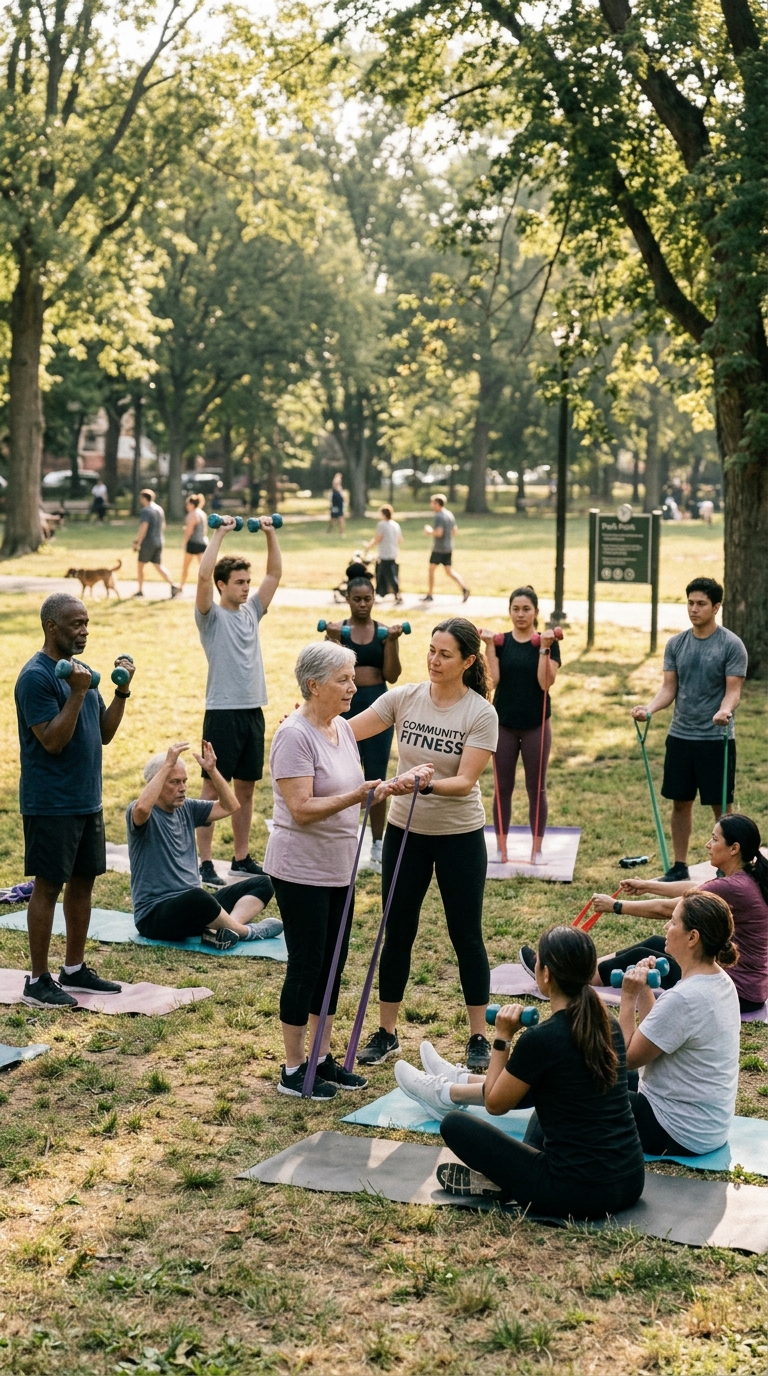
The most sustainable routines tend to fit into real life. A parent may do short workouts at home. An office worker may walk during calls. An older adult may join a community class for both movement and friendship. Consistency usually matters more than dramatic intensity.
Cost remains a barrier. Boutique fitness classes, personal trainers and specialized equipment can be expensive. Public parks, safe sidewalks, community centers and affordable recreation programs are essential if fitness is to be a public good rather than a luxury market.
Body image remains a tension. Even wellness spaces can reproduce narrow ideals, presenting health through lean, young and able-bodied images. A more inclusive fitness culture recognizes different bodies, disabilities, ages and goals. Health cannot be measured by appearance alone.
Doctors increasingly encourage patients to think of movement as part of prevention. But medical advice must be realistic. People with chronic pain, disability, fatigue or unsafe neighborhoods may need tailored options. Telling everyone to “just exercise” ignores barriers.
The future of fitness may be less glamorous and more useful. It may look like resistance bands in a living room, stairs climbed daily, a lunchtime walk, a local swimming pool or an older couple practicing balance in a park.
This does not mean ambition has disappeared. Athletes and enthusiasts will continue to train hard. But the center of culture is widening. Fitness is becoming less about proving discipline and more about protecting the ability to live fully.
The most important workout may not be the one that transforms a body in 30 days. It may be the one a person can return to for 30 years.
“””
