
As populations grow older, families and governments are rethinking homes, neighborhoods and daily routines for longer lives.
For many older adults, the preferred place to age is familiar: the home where they know the light, the kitchen, the neighbors and the memories. Ageing at home is often described as a personal wish, but it is becoming a major lifestyle and policy question as societies grow older.
The World Health Organization’s work on the UN Decade of Healthy Ageing focuses on improving the lives of older people, their families and communities. That goal reaches into ordinary domestic spaces. A home that works at age 45 may become risky at 80 if stairs are steep, bathrooms are slippery and transport is limited.
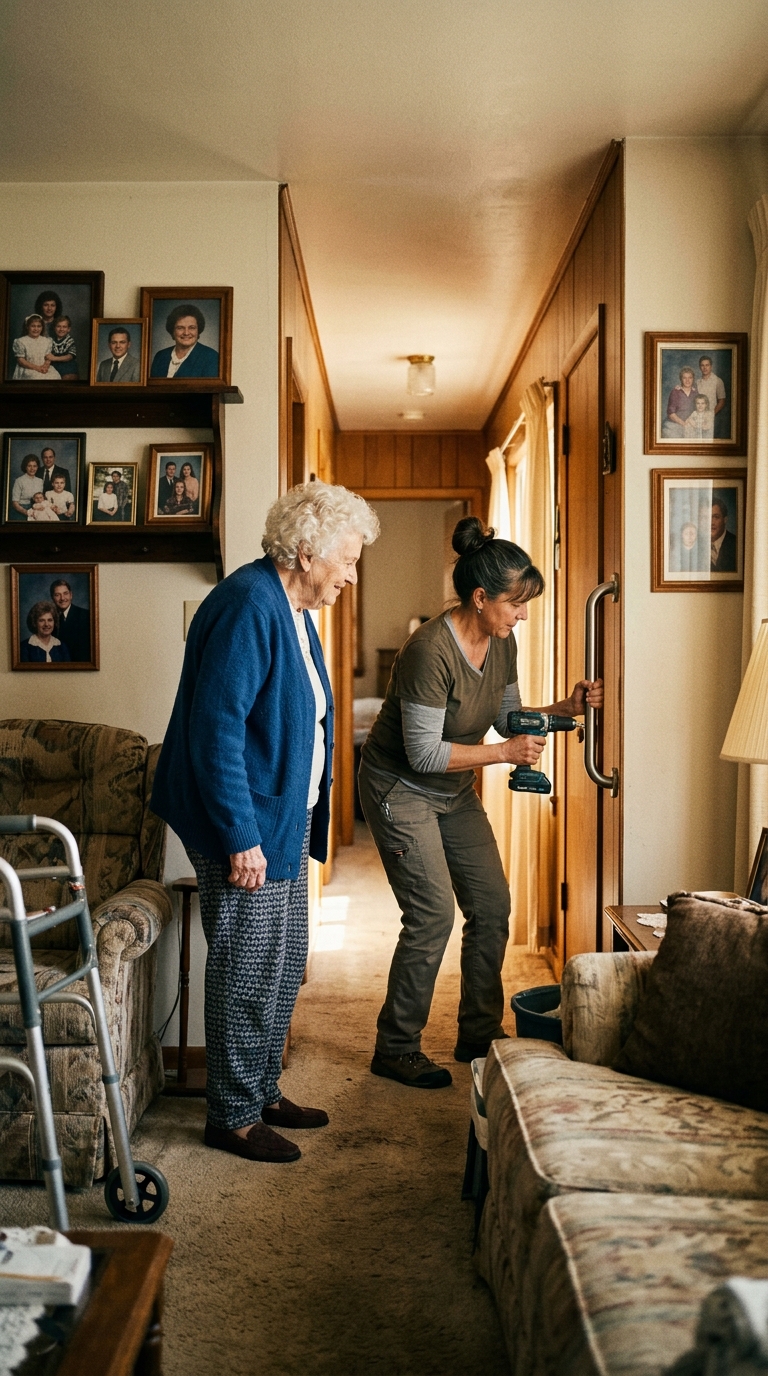
Ageing at home depends on design. Grab bars, better lighting, non-slip floors, reachable storage and step-free entrances can prevent injuries and preserve independence. These changes are rarely glamorous, but they can determine whether an older person remains safely at home or moves into institutional care.
The issue is not only architecture. Social connection, health care access, income, technology and family support all shape whether ageing at home is realistic. An apartment can be physically safe but emotionally isolating. A loving family may want to help but live far away or work long hours.
Many families are adapting quietly. Adult children install cameras, arrange meal deliveries, manage medicine schedules and coordinate doctor visits. Spouses become caregivers. Neighbors check in. These informal systems often hold together until a fall, hospitalization or memory problem exposes their fragility.
Technology offers tools but not complete solutions. Emergency alert devices, medication reminders, telehealth and motion sensors can help older adults live independently. But devices require affordability, digital literacy and someone to respond when alerts occur. Technology cannot replace human care.
The housing market is responding unevenly. Some developers promote age-friendly apartments, retirement communities and multigenerational housing. But many older adults live in older buildings that are difficult to modify. Renters may lack permission or money to make changes.
Multigenerational living is returning in some places because of culture, housing costs and care needs. It can provide companionship and practical support, but it can also create stress if space is limited and responsibilities are unequal. Successful arrangements require communication, privacy and shared expectations.
Cities play a critical role. Age-friendly neighborhoods need benches, safe crossings, accessible public transport, nearby shops, clinics and parks. Without these, ageing at home can become ageing indoors. Mobility is freedom.
There is also a financial dimension. Long-term care can be expensive, and many families are unprepared for the costs of home aides, renovations or medical equipment. Public support varies widely. Where services are limited, unpaid family caregivers carry much of the burden.
The lifestyle conversation around ageing is changing. Older adults are not a single group. Some are working, dating, traveling, volunteering and caring for grandchildren. Others need daily assistance. Policies and products that treat all older people as frail miss the diversity of later life.
Prevention matters earlier than many expect. Maintaining strength, social ties, financial planning and home safety before crisis can make later years more stable. Ageing well begins long before old age.
Caregiver well-being is part of the equation. Families often want to honor elders by keeping them at home, but caregiving can affect employment, sleep and mental health. Respite care and support groups are not luxuries. They are part of sustainable ageing.
The desire to age at home reflects a deeper human need for continuity. People want to remain connected to their routines and identities. They want care without losing autonomy.
As societies age, the private home is becoming public infrastructure. Whether older people can live safely and meaningfully at home will depend on choices made by builders, planners, employers, health systems and families.
The question is not only how long people live. It is where, with whom and with how much dignity.
“””
