
Choosing the right body style is less about fashion and more about passengers, roads, cargo, parking space, fuel bills and the work a vehicle must do every day.
For many buyers, the first question in a dealership is not the engine, the color or even the brand. It is the shape of the car. A sedan, sport utility vehicle, hatchback and pickup can all carry people from one place to another, but they serve different lives. The wrong choice can become expensive, inconvenient or uncomfortable long after the excitement of a new purchase has faded. The right choice, by contrast, often disappears into daily routine because it simply works.
The sedan remains the classic passenger car. With a separate trunk, lower ride height and usually balanced proportions, it is built for comfort, efficiency and predictable road manners. A sedan suits individuals, couples and small families who mainly drive in cities or on highways and do not need to carry bulky cargo every day. It is often easier to drive smoothly than a taller vehicle, more stable at speed than many high-riding models, and generally more fuel-efficient than a comparable SUV or pickup with a similar engine.
For personal use, a sedan is often the most rational choice. It gives the driver a quiet cabin, comfortable seating, secure luggage storage and enough space for normal commuting, shopping and weekend trips. For highway travel, many sedans offer good aerodynamics, low wind noise and efficient fuel consumption. Business users who meet clients may also prefer sedans because they still project formality and restraint, especially in executive and midsize segments.
The weaknesses of a sedan appear when life becomes more flexible than the trunk. Loading a baby stroller, bicycle, large suitcase or business equipment can be awkward because the trunk opening is smaller than a hatch or SUV tailgate. Ground clearance may be limited on rough roads, flooded streets or steep driveways. Rear-seat headroom can also be tighter in sportier models. For growing families, especially those needing child seats, grandparents and luggage in the same trip, a sedan can begin to feel narrow.
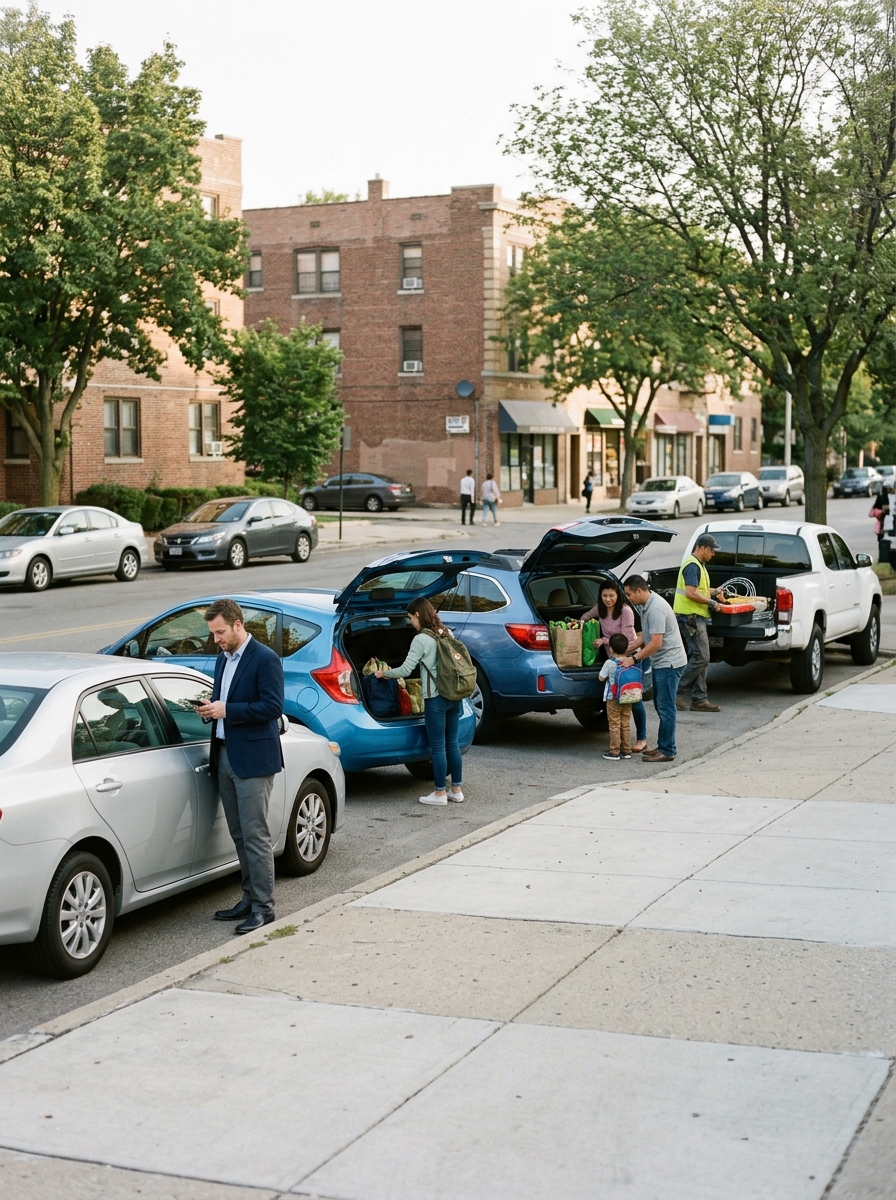
The hatchback is the practical urban answer to the sedan. It is usually shorter, easier to park and more adaptable because the rear door opens upward and the back seats can fold down. This makes it ideal for single drivers, young couples, students, city commuters and small households that need one car to do many small jobs. A hatchback can carry groceries during the week, luggage on the weekend and occasional bulky items without the size penalty of an SUV.
In dense cities, the hatchback has clear advantages. It fits into tight parking spaces, is easier to maneuver through narrow streets and often has lower running costs. Smaller tires, lighter weight and modest engines can make maintenance and fuel bills manageable. For new drivers, a hatchback can also be less intimidating because its corners are easier to judge. It is a sensible first car and a strong choice for people who value function over status.
But hatchbacks have limits. Cabin and cargo space may be smaller than buyers expect, especially when all seats are occupied. Long highway trips can be less relaxing in cheaper models because of road noise, shorter wheelbases and smaller engines working harder at speed. Luggage in the rear is also more visible unless a cargo cover is used. For families with two children, frequent long-distance travel or a need to carry large items regularly, a hatchback may work, but it may not feel effortless.
The SUV has become the dominant family vehicle in many markets because it promises one answer to several needs: space, visibility, comfort, higher ground clearance and a sense of security. An SUV is often the best fit for families with children, drivers who travel on rougher roads, people who regularly carry passengers, and households that want one vehicle for school runs, shopping, holidays and occasional countryside trips. The taller seating position can make drivers feel more confident, especially in crowded traffic.
For long-distance travel, an SUV can be excellent. Passengers sit higher and often have more headroom. The cargo area is easier to load than a sedan trunk. Large rear doors help parents install child seats. Many SUVs also offer all-wheel drive, useful in rain, snow, gravel or hilly areas, though it does not replace careful driving or good tires. For families who take road trips with luggage, sports equipment, pets or elderly relatives, the SUV’s space and access can be decisive.
The trade-offs are cost and size. SUVs often cost more to buy than sedans or hatchbacks, use more fuel in comparable gasoline versions, and may need larger tires, more expensive suspension parts and higher insurance premiums. In city driving, they can be harder to park and less agile in tight streets. Their height and weight can also affect emergency handling, and drivers must respect the limits of a taller vehicle. The feeling of safety should not become an excuse for tailgating, speeding or abrupt lane changes.
An SUV is best when its advantages are used often. A family that needs space every day may find it worth the extra cost. A single city driver who rarely carries passengers may be paying for size that mostly creates parking stress. Compact SUVs offer a middle ground, but buyers should compare them honestly with hatchbacks and sedans. Some compact SUVs have less usable cargo space than their shape suggests, while some wagons or hatchbacks may be more efficient and easier to live with.
The pickup truck is the most specialized of the four. It is not just a passenger vehicle with a larger body; it is a tool. A pickup is suitable for business owners, farmers, contractors, outdoor workers, delivery operators and drivers who regularly carry heavy, dirty or oversized cargo. The open bed separates work materials from the cabin, and many pickups can tow trailers, carry equipment and handle rougher surfaces better than ordinary cars.
For business use, the pickup can be the correct choice even when it is more expensive to run. A construction supervisor, shop owner, landscaper or rural entrepreneur may need to move tools, supplies, machines or goods at short notice. In those cases, the vehicle earns its cost through productivity. A double-cab pickup can also serve as family transport after work, carrying passengers in the cabin and cargo in the bed. In areas with poor roads or frequent flooding, high ground clearance is another practical advantage.
Yet pickups are often the wrong choice for drivers who only like the image. They are longer, heavier and harder to park than most sedans, hatchbacks and SUVs. Rear-seat comfort in some models is less refined than in family SUVs. Fuel consumption can be high, tires are costly, and the cargo bed may need a cover or canopy to protect luggage from rain and theft. In city centers, a pickup can feel oversized. For office commuting and school runs, its strengths may go unused while its disadvantages appear every day.
The decision should begin with passengers. A single driver or couple can live comfortably with a hatchback or sedan. A family with small children may appreciate the door openings and cargo space of an SUV. A household with teenagers may need rear legroom more than trunk volume. A business user must ask whether the vehicle carries people, cargo or both. Buying for rare events, such as one annual holiday or one possible house move, often leads to overspending.
The second question is road environment. For narrow city streets, limited parking and short daily trips, hatchbacks and compact sedans are usually easier. For highways, a sedan or midsize SUV may provide better comfort. For rural roads, construction sites, farms or mountainous areas, SUVs and pickups have stronger arguments. For mixed use, compact SUVs and larger hatchbacks often compete closely, while midsize sedans remain excellent for drivers who prioritize comfort and efficiency.
The third question is total cost. Purchase price is only the beginning. Fuel, tires, insurance, parking, registration fees, maintenance and depreciation all matter. A larger vehicle may feel attractive during a test drive but become costly over years of ownership. A smaller vehicle may seem modest but save enough money to fund better safety features, higher trim quality or lower debt. Buyers should calculate monthly use, not just showroom appeal.
There is also no perfect body style for every family or business. A sedan rewards drivers who value comfort and efficiency. A hatchback rewards city users who need flexibility in a compact footprint. An SUV rewards families and travelers who use its space and ground clearance regularly. A pickup rewards people whose work or lifestyle genuinely requires cargo capacity and toughness.
The smartest choice is the vehicle that matches the most common day, not the most imagined adventure. Look at where the car will park, who will sit in it, what it will carry, how far it will travel and how much it will cost to keep running. A car should fit life quietly, not force life to fit around it.”””
