
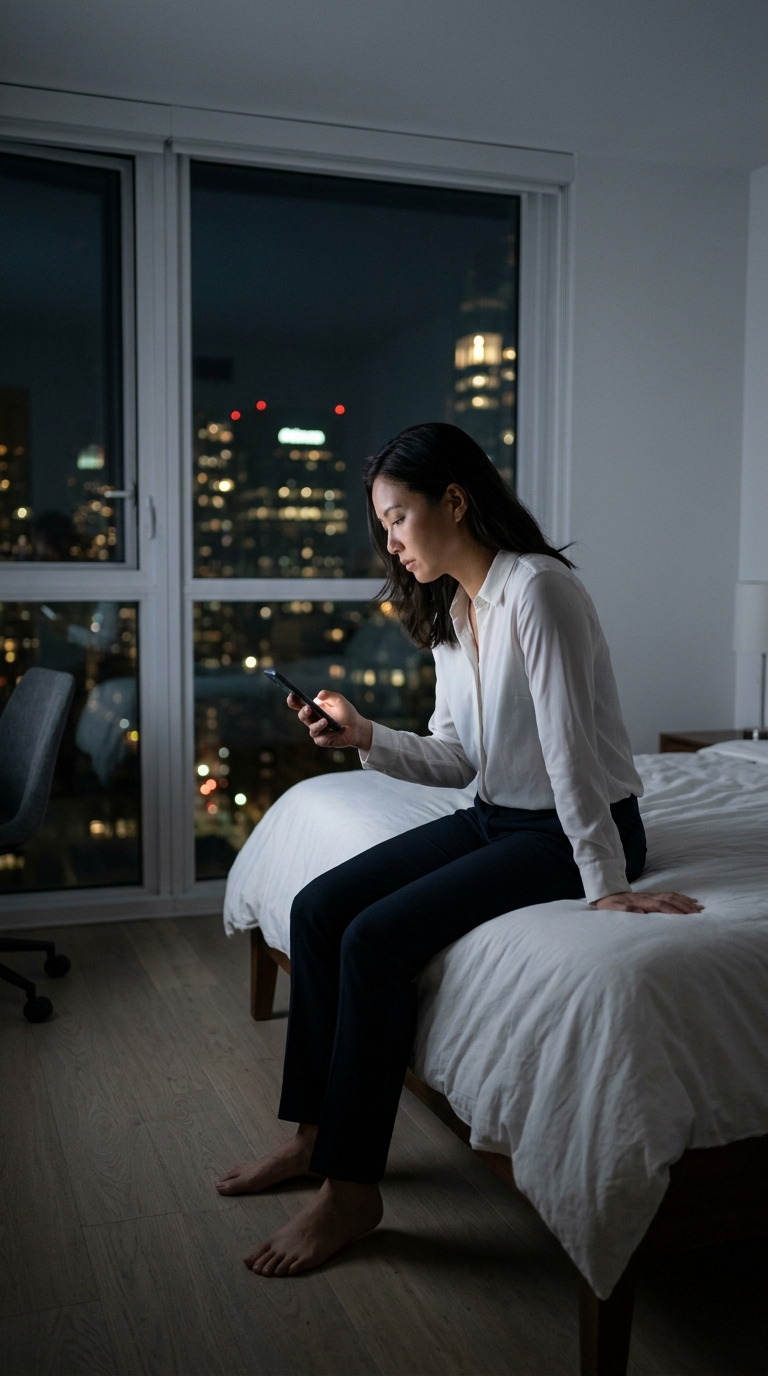
As modern life stretches work, screens and stress deeper into the night, sleep is being redefined as a foundation of health, productivity and social stability.
For years, sleep was treated as the first thing people could sacrifice in the pursuit of success. Long hours, late messages and early alarms were worn as signs of discipline. That culture is now being challenged by doctors, employers and exhausted families who say the modern lifestyle has turned rest into a scarce resource.
Sleep has become a public conversation far beyond the bedroom. It is discussed in workplaces, schools, fitness studios and digital wellness apps. The shift reflects a broader realization that sleep is not passive downtime. It is a biological process tied to memory, immune function, mood regulation, metabolism and decision-making.
The Centers for Disease Control and Prevention identifies sleep as a major component of health, with insufficient sleep linked to chronic disease risk and reduced daily functioning. Yet for millions of people, the obstacle is not ignorance. It is lifestyle design. Work schedules, commuting, caregiving, social media, noise, heat and financial stress all compete with rest.
Urban life has intensified the problem. Apartments near traffic corridors, shift work in service industries and the expectation of constant online availability can make sleep fragile. In many households, the night is the only time left for personal life after work and family obligations. People delay sleep not because they do not value it, but because it feels like the final territory they control.
Technology plays a complicated role. Phones can track sleep, provide meditation tools and help users build routines. They can also deliver news, entertainment and work alerts at the exact hour the brain needs darkness and quiet. The bedroom, once a private retreat, has become a command center for global information.
The sleep industry has expanded rapidly around this anxiety. Mattresses, wearable trackers, blackout curtains, supplements, white-noise machines and sleep retreats are sold as solutions. Some can help, but experts warn that sleep should not become another performance metric. For people already under pressure, turning rest into a competition may create more stress.
Doctors often advise practical steps: a regular sleep schedule, morning light, reduced caffeine late in the day, a cooler bedroom, limited screens before bed and a calming routine. These recommendations are simple, but not always easy. A nurse working rotating shifts or a parent caring for an infant may not have full control over bedtime.
The workplace is central to the issue. Employers increasingly speak about wellness, but many still reward availability over recovery. Emails at midnight, early video calls across time zones and unpredictable schedules undermine sleep more than any individual habit can repair. Some companies have begun experimenting with meeting limits, flexible schedules and right-to-disconnect policies, but these remain uneven.
Schools also face pressure to rethink schedules. Adolescents naturally tend toward later sleep patterns, yet many school systems start early. Families then face morning battles that are not simply about discipline but biology, transport and institutional tradition.
Sleep inequality is becoming more visible. Wealthier people may buy quiet homes, flexible jobs and wellness tools. Lower-income workers may face night shifts, crowded housing and less control over schedules. In that sense, sleep is not only a personal habit. It is shaped by labor policy, housing quality and social protection.
The cultural change is still incomplete. Many people continue to brag about functioning on little sleep, even as the evidence points the other way. But a different message is gaining ground: rest is not laziness, and exhaustion is not proof of importance.
The new lifestyle debate asks a simple question. What would daily life look like if sleep were treated as essential infrastructure rather than private weakness? The answer may require darker bedrooms, quieter cities, fairer work schedules and a public understanding that recovery is part of living well.
“””
