
Consumers are trying to reduce waste and emissions, but the green lifestyle debate increasingly turns on affordability, access and trust.
Sustainable living was once marketed through images of perfect minimal homes, reusable bottles and farmers’ markets. Today, it is becoming less polished and more practical. People are asking how to reduce waste, energy use and overconsumption while managing rent, work, children and rising costs.
The United Nations Environment Programme describes sustainable lifestyles as ways of living and social choices that minimize environmental degradation while supporting better quality of life. That definition is important because it connects personal choices to systems. A sustainable lifestyle cannot depend only on individual virtue. It must be made accessible.
Many households now practice small forms of sustainability without using the label. They repair clothes, cook leftovers, share tools, buy secondhand furniture, use public transport, reduce meat consumption or avoid unnecessary purchases. These habits are often driven by budget as much as environmental concern.
The marketplace has responded with an explosion of green products. Some are useful. Others are expensive versions of things people do not need. Critics warn that sustainability can become another form of consumption if the solution to buying too much is buying different products.
Trust is a major issue. Consumers face labels promising natural, eco-friendly, conscious or carbon neutral, often without clear evidence. Greenwashing can make people cynical and confused. Stronger standards and transparent information are needed if sustainable products are to mean more than marketing.
Food choices are among the most visible changes. More people are experimenting with plant-forward meals, seasonal produce and lower-waste cooking. But food sustainability varies by culture, region and income. Advice that works in one country may be unrealistic in another. A fair approach respects local diets and avoids turning climate responsibility into class judgment.
Fashion has become another battleground. Fast fashion offers low prices and constant novelty, but it also encourages overproduction and waste. Slow fashion advocates promote durability, repair and secondhand shopping. Yet not everyone can afford high-priced ethical brands. For many consumers, the most sustainable choice is using what they already own.
Housing determines much of a household’s environmental footprint. Insulation, heating, cooling, appliances and access to transport matter. Renters may want to reduce energy use but lack control over building upgrades. People in hot climates may need air conditioning for health and safety. Sustainability must account for comfort and survival, not only ideals.
Transportation is equally complex. Walking, cycling and public transit reduce emissions, but only when cities provide safe and reliable options. In areas without transit, cars may be necessary. Lifestyle advice that ignores infrastructure can sound detached from reality.
Young people have helped push sustainability into mainstream culture. Many see climate concern not as a separate issue but as part of identity, spending and politics. They are more likely to question ownership, waste and corporate responsibility. At the same time, they often face housing insecurity and limited purchasing power.
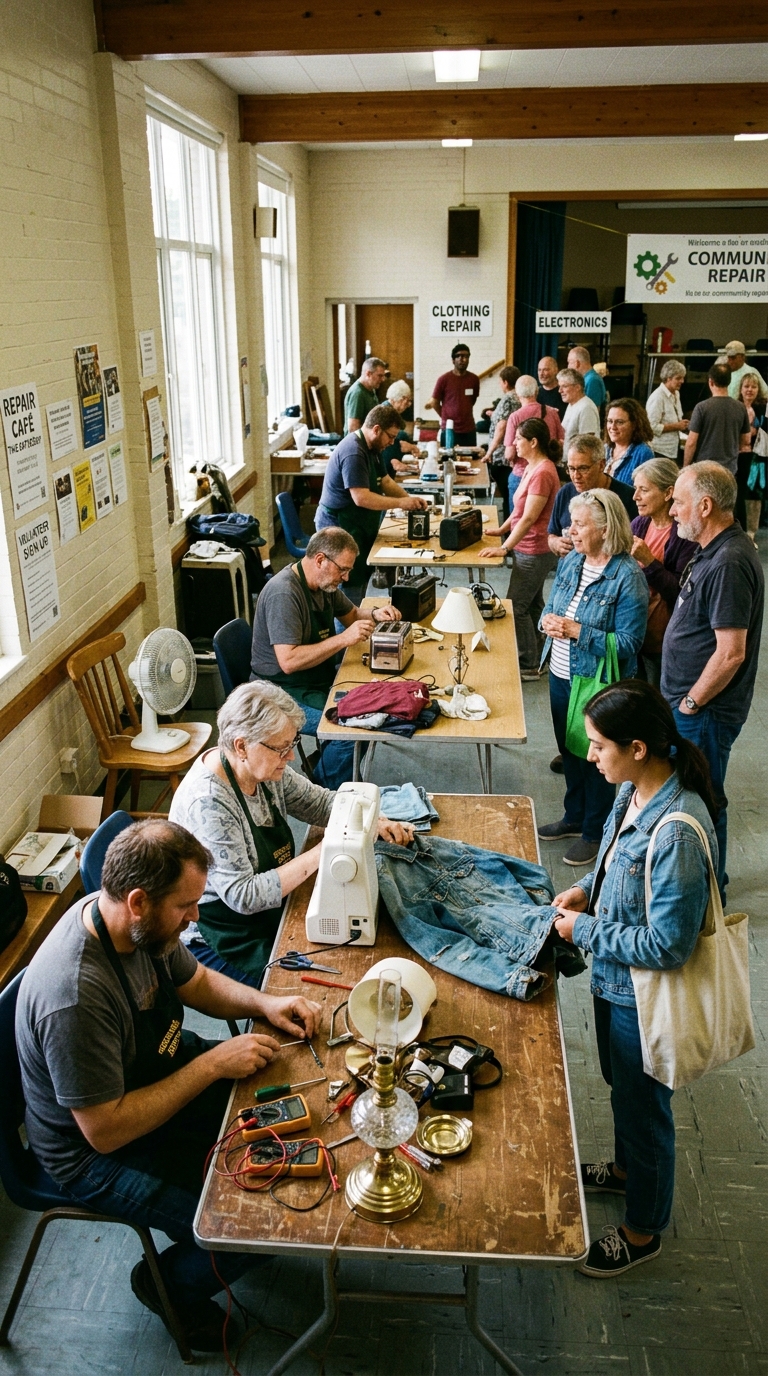
The most durable changes may be collective. Community repair cafes, clothing swaps, tool libraries, compost programs and local food networks reduce waste while building social ties. They make sustainability less lonely and less dependent on shopping.
Governments remain central. Product standards, recycling systems, clean energy, public transport, building codes and consumer protection shape what individuals can realistically do. Personal responsibility matters, but it cannot replace policy.
There is also a psychological challenge. Climate anxiety can make lifestyle choices feel either urgent or meaningless. Experts often advise focusing on actions that are practical, repeatable and connected to others. Perfection is not required. Consistency matters more.
Sustainable living is maturing because it is becoming more honest. It recognizes that people live within constraints. The goal is not an immaculate lifestyle displayed online, but a fairer pattern of daily life that reduces harm while preserving dignity, comfort and joy.
The future of sustainability may look less like a luxury brand and more like an ordinary neighborhood where repair is normal, waste is lower, transport is easier and good choices are not reserved for the wealthy.
“””
