
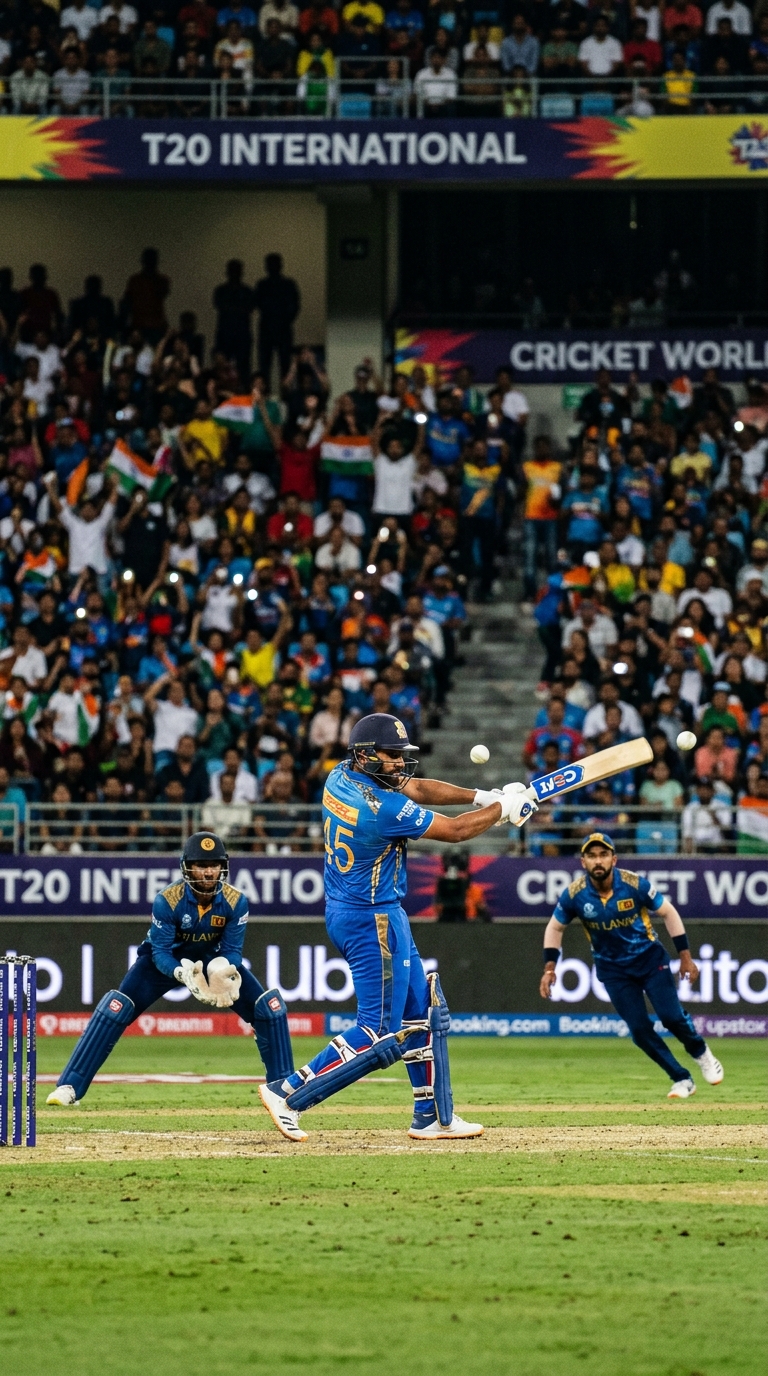
The shortest global format has expanded cricket’s audience, but its crowded calendar is forcing the sport to confront player workload.
T20 cricket has changed the economics and rhythm of the game. It is faster, louder and easier to export. A match can turn in a single over, a single catch or a single burst of hitting.
The ICC Men’s T20 World Cup remains the format’s global centerpiece, bringing national pride into a version of cricket built for television, packed stadiums and digital highlights. For many fans, T20 has become the gateway into the sport.
The format rewards specialists. Power hitters, death bowlers, wrist spinners and elite fielders can become match-winners in narrow roles. Captains must make quick decisions, often with little time to recover from mistakes.
But the success of T20 has created a calendar problem. International tournaments, domestic leagues and franchise commitments compete for player availability. The same athletes are asked to travel across continents, switch teams, adapt to conditions and perform under constant pressure.
Workload is not only physical. T20 cricketers live with intense public scrutiny, especially in countries where the sport is central to national identity. One poor innings can trigger online abuse. One injury can affect multiple teams and competitions.
Cricket’s administrators face a delicate balance. T20 generates revenue that supports boards, players and development programs. Yet too much cricket can weaken the quality of the product and shorten careers.
The best future for the format may require clearer windows, stronger rest policies and better coordination between international and franchise cricket. Fans want stars on the field, but stars need recovery to remain stars.
T20 cricket has given the sport new energy. The challenge now is to prevent that energy from burning out the players who created it.
“””
