
From fast-paced comedy and emotional storytelling to stricter rules and studio-driven suspense, game shows reveal how different societies define entertainment, competition and audience connection.
Game shows are often dismissed as light entertainment, but they are among the clearest mirrors of popular culture. A quiz, a challenge, a prize wheel or a talent stage can reveal how a society thinks about humor, pressure, teamwork, embarrassment, ambition and public emotion. Across Asia and the West, game shows may share familiar ingredients — hosts, contestants, rules, prizes and audiences — but the way those ingredients are arranged often differs sharply.
In many Asian markets, particularly Japan, South Korea, China, Thailand and Vietnam, the host is rarely just a referee. The presenter is often a performer, comedian, emotional guide and social mediator at once. Hosts may tease contestants, react dramatically, join mini-games, improvise jokes and create a sense of collective chaos. In Japanese variety-style game shows, the host’s job is frequently to maintain rhythm and escalate absurdity. In Korean programs, the host may also serve as a bridge between celebrities, guests and ordinary participants, managing both comedy and sentiment. The result is a style in which the presenter becomes part of the spectacle rather than standing outside it.
Western game shows, especially in the United States and Britain, traditionally place the host in a more controlled role. The presenter may be witty, charismatic and beloved, but the format often depends on the host’s authority and clarity. On quiz shows such as Jeopardy! or Who Wants to Be a Millionaire?, the host controls timing, rules and suspense with precision. On studio entertainment programs such as The Price Is Right or Family Feud, the host encourages excitement while still keeping the game moving through a recognizable structure. The Western host is often the trusted master of ceremonies; the Asian host is more often a co-performer inside the emotional and comic machinery of the show.
The difference is also visible in rules. Western game shows tend to emphasize transparent structure. A contestant knows the categories, the prize ladder, the time limit, the scoring system or the elimination rules. The audience is invited to understand the game as a fair contest. Even when the atmosphere is playful, the framework is usually strict. The tension comes from whether the player can make the right decision within a clear system. A wrong answer, a bad bid or a failed guess has consequences that the viewer understands immediately.
Asian game shows often use more flexible or layered rules. The competition may matter, but the journey can matter even more. A challenge may involve physical comedy, hidden missions, team betrayal, celebrity reactions, surprise punishments or emotional reveals. Rules can be intentionally complicated, unstable or absurd, not because fairness is unimportant, but because unpredictability is part of the entertainment. In many Korean and Japanese formats, the viewer watches not only to see who wins, but to see how personalities behave when the rules become inconvenient, embarrassing or ridiculous.
Humor is one of the sharpest areas of contrast. Asian game shows often rely on group dynamics, repetition, exaggeration, visual captions, sound effects and physical reactions. A joke may build through facial expressions, replayed footage, on-screen text, comic punishment or the embarrassment of a celebrity placed in an undignified situation. Japanese television in particular has a long tradition of turning discomfort, surprise or endurance into comedy, though the tone can range from harmless silliness to harsh physical challenges. Korean variety shows frequently create humor through relationships: senior and junior celebrities, team alliances, running jokes and the contrast between public image and private clumsiness.
Western game show humor is usually more verbal, situational or host-driven. It may come from a contestant’s surprising answer, a family’s awkward response on Family Feud, a host’s dry comment, or the tension between ordinary people and high-stakes prizes. Physical comedy exists, but it is less central in classic quiz and studio formats. Western programs often avoid humiliating contestants too aggressively, especially when ordinary members of the public are involved. The humor usually supports the game; in many Asian formats, humor can become the game itself.
Emotion is another major difference. Western game shows often focus emotional energy on individual achievement. The contestant faces pressure, makes choices, risks money and hopes to change personal circumstances. The emotional arc is frequently built around suspense: Will this person win the jackpot? Will the family guess the final answer? Will the singer receive enough votes? Personal backstories are common in talent competitions, but in many quiz and prize formats, emotion is concentrated in the moment of victory or defeat.
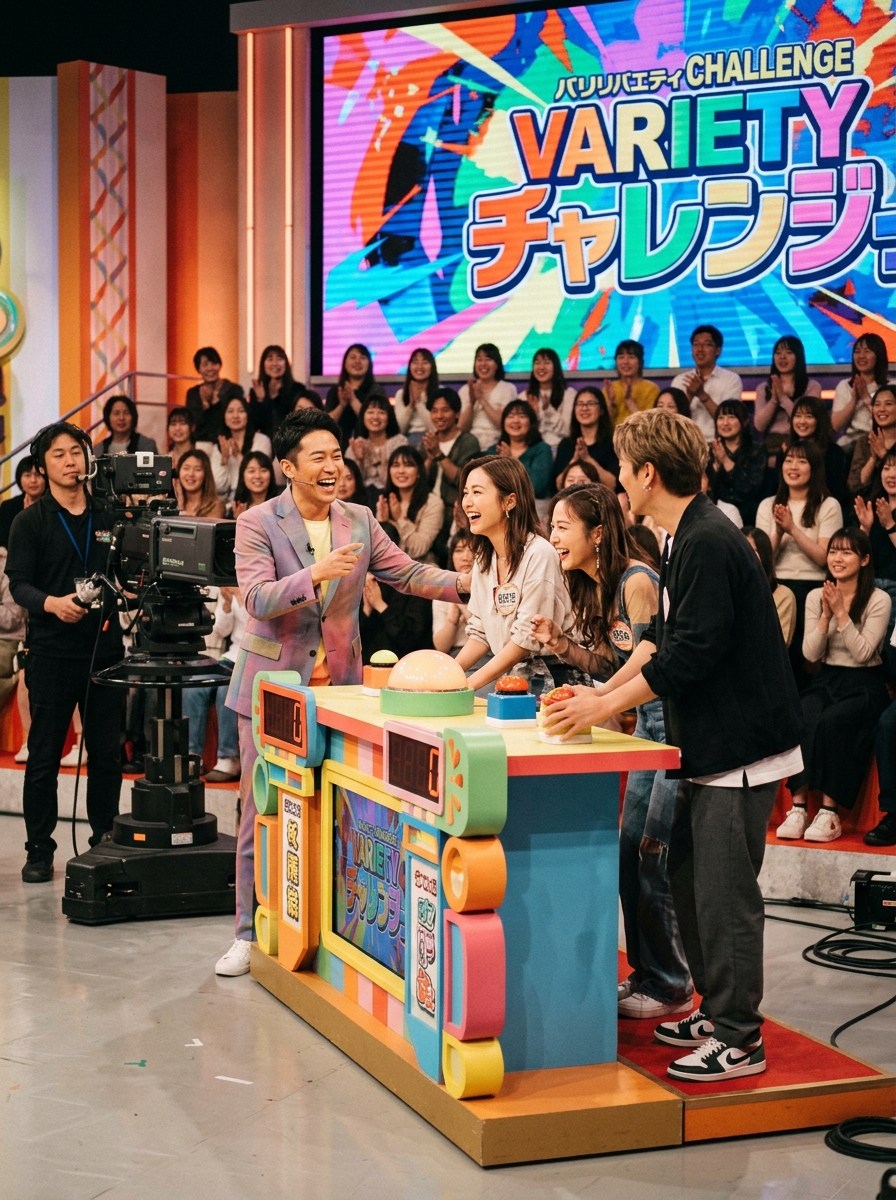
Asian game shows more often turn emotion into a shared social experience. Family stories, friendship, sacrifice, loyalty, embarrassment, reconciliation and perseverance may become part of the entertainment. Korean television is especially skilled at blending comedy with sentiment, moving from slapstick to tears within the same episode. Chinese and Vietnamese programs frequently use family narratives, intergenerational respect and personal aspiration to deepen audience identification. The contestant is not only a player but also a son, daughter, parent, worker, student or dreamer whose story connects to wider social values.
This does not mean Western game shows lack emotion or Asian shows lack competition. The difference is one of emphasis. Western formats often protect the integrity of the game first and let emotion emerge from the result. Asian formats often protect the emotional journey first and allow the game to become a vehicle for personality, humor and social connection.
Audience interaction also differs. In Western studio shows, the audience often has a defined role. They cheer, applaud, shout suggestions, vote in live talent rounds or help create energy around the host and contestants. In The Price Is Right, the audience is central to the show’s identity, with contestants coming from the studio crowd and viewers joining the excitement of public selection. In Who Wants to Be a Millionaire?, audience assistance becomes a formal lifeline, turning the crowd into a strategic resource. Western audience participation is often structured, visible and tied to the rules.
Asian audience interaction can be more atmospheric and emotional. Studio audiences react loudly, but producers also use editing, captions, reaction shots and celebrity panels to guide viewers at home. In many Asian programs, the most important “audience” may not be the people physically in the studio but the imagined national or online community responding to moments, memes, catchphrases and emotional scenes. The screen itself becomes interactive through subtitles, graphics, emojis, replays and exaggerated sound design. Viewers are not only watching a game; they are being coached on how to feel about it.
Production style reinforces the contrast. Western shows often favor clean staging, clear lighting, recognizable sets and consistent pacing. The brand identity of a long-running format depends on familiarity. Viewers return because the rules, music, stage and host behavior create a reliable ritual. Asian programs are often more elastic. A single episode may move from a studio to a street, a school, a market, a countryside location or a celebrity’s home. The camera may chase participants, cut rapidly between reactions and use graphics as part of the comedy. The pace can feel denser, louder and more emotionally crowded.
Globalization has softened some of these differences. Western talent formats have been localized across Asia, while Asian reality-variety techniques have influenced digital entertainment worldwide. Streaming platforms and social media have also changed expectations. Younger audiences are comfortable with hybrid formats that mix competition, documentary, comedy, fandom and online voting. A Korean survival show may use Western-style elimination rules while emphasizing group emotion and trainee narratives. A Western reality competition may borrow faster editing, reaction-heavy storytelling and social media interaction.
Still, the deeper distinction remains. Western game shows often ask: Can this individual win under pressure? Asian game shows often ask: What happens to a group of people when pressure, comedy and emotion collide? One model celebrates clarity, fairness and suspense. The other celebrates personality, social chemistry and emotional variety. Both can be highly commercial. Both can be creative. Both can produce memorable television.
The best game shows succeed because they understand their audience’s expectations. A Western viewer may value a clean contest where the rules are stable and the host is a reliable guide. An Asian viewer may expect a richer emotional environment where the host, contestants, celebrities, graphics and editing all contribute to a shared performance. Neither approach is inherently superior. They simply reflect different traditions of entertainment.
In the end, the contrast between Asian and Western game shows is not only about television. It is about cultural rhythm. Some societies prefer suspense built through rules; others prefer energy built through relationships. Some laugh at clever answers; others laugh at collective embarrassment, exaggerated reactions and social reversal. Some want the audience to judge; others want the audience to feel included in a wider emotional community. The game may be the format, but culture writes the real script.
“””
