
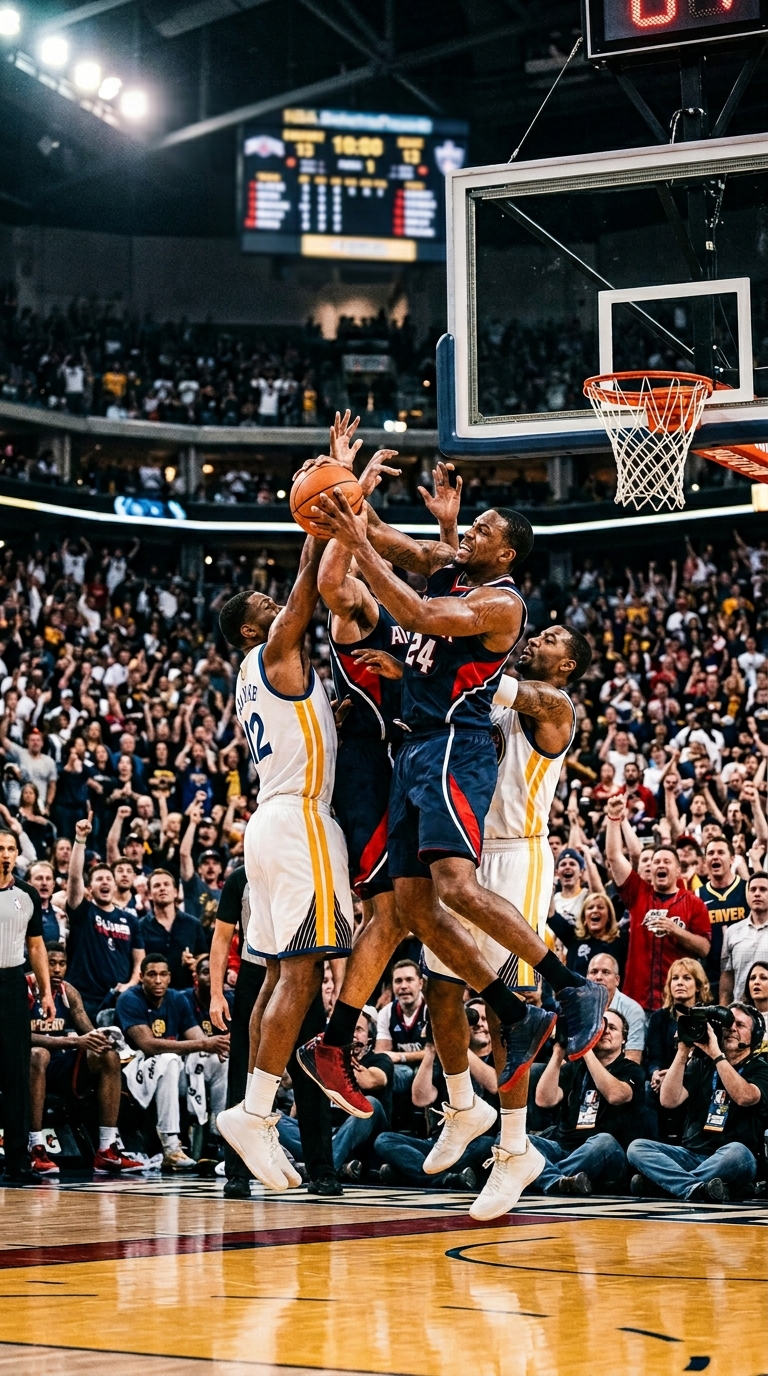
As the postseason narrows the league’s margin for error, stars, coaches and front offices confront the difference between talent and championship resilience.
The NBA regular season rewards depth, rhythm and endurance. The playoffs reward something harsher: adjustment under pressure.
Every spring, the league changes character. Possessions slow down. Defensive weaknesses are hunted repeatedly. Rotations shrink. Injuries become strategic secrets. A team that looked fluent for six months can suddenly appear fragile when an opponent has seven games to study every habit.
The 2026 NBA Playoffs continue that tradition. The bracket is not merely a schedule of games; it is a map of pressure. Top seeds must prove that regular-season dominance can survive postseason targeting. Lower seeds must show that momentum is more than a short-term emotional surge.
Modern playoff basketball is increasingly tactical. Coaches adjust coverages from game to game. Teams debate whether to switch, blitz, drop or zone. Offenses search for mismatches and spacing. A star player may still decide a series, but the pathway to that moment is built through film rooms, analytics departments and bench decisions.
The business stakes are enormous. Deep playoff runs reshape franchise value, television audiences, sponsorship interest and player legacies. A single series can change how a team’s future is discussed for years. Contracts, trades and coaching jobs often depend on what happens after April.
The emotional burden falls hardest on stars. Regular-season brilliance is admired, but postseason performance defines reputations. Great players are judged not only by statistics but by whether they can respond when opponents remove their first option.
The playoffs also reveal the importance of role players. A defender who holds a star below his averages, a shooter who makes three shots in a hostile arena or a backup center who survives difficult minutes can change a series.
Basketball’s postseason remains compelling because it is repetitive and uncertain at the same time. Teams meet again and again, learning and countering until one side breaks.
By the end, the champion is not always the most spectacular team. It is usually the team that solves the most problems under the least forgiving conditions.
“””
