
Competing truce offers around Moscow’s Victory Day commemorations have done little to halt the violence as Kyiv accuses Russia of using diplomacy as political theater.
Ukraine’s latest attempt to force a pause in the war has quickly become another test of whether ceasefire diplomacy can survive contact with the battlefield.
Kyiv accused Russia of continuing drone, missile and battlefield attacks after Ukraine proposed a unilateral halt in fighting beginning May 6. Ukrainian officials described the strikes as evidence that Moscow was not seriously interested in de-escalation, even as Russia separately announced its own temporary ceasefire for May 8 and 9, tied to Victory Day commemorations.
The competing ceasefire proposals reveal the central problem that has shadowed peace efforts throughout the war: both sides may speak the language of restraint, but neither trusts the other’s motives. Ukraine says a genuine ceasefire must be longer, verifiable and connected to meaningful negotiations. Russia says its pause is a unilateral measure and accuses Kyiv of planning attacks during a sensitive national ceremony.
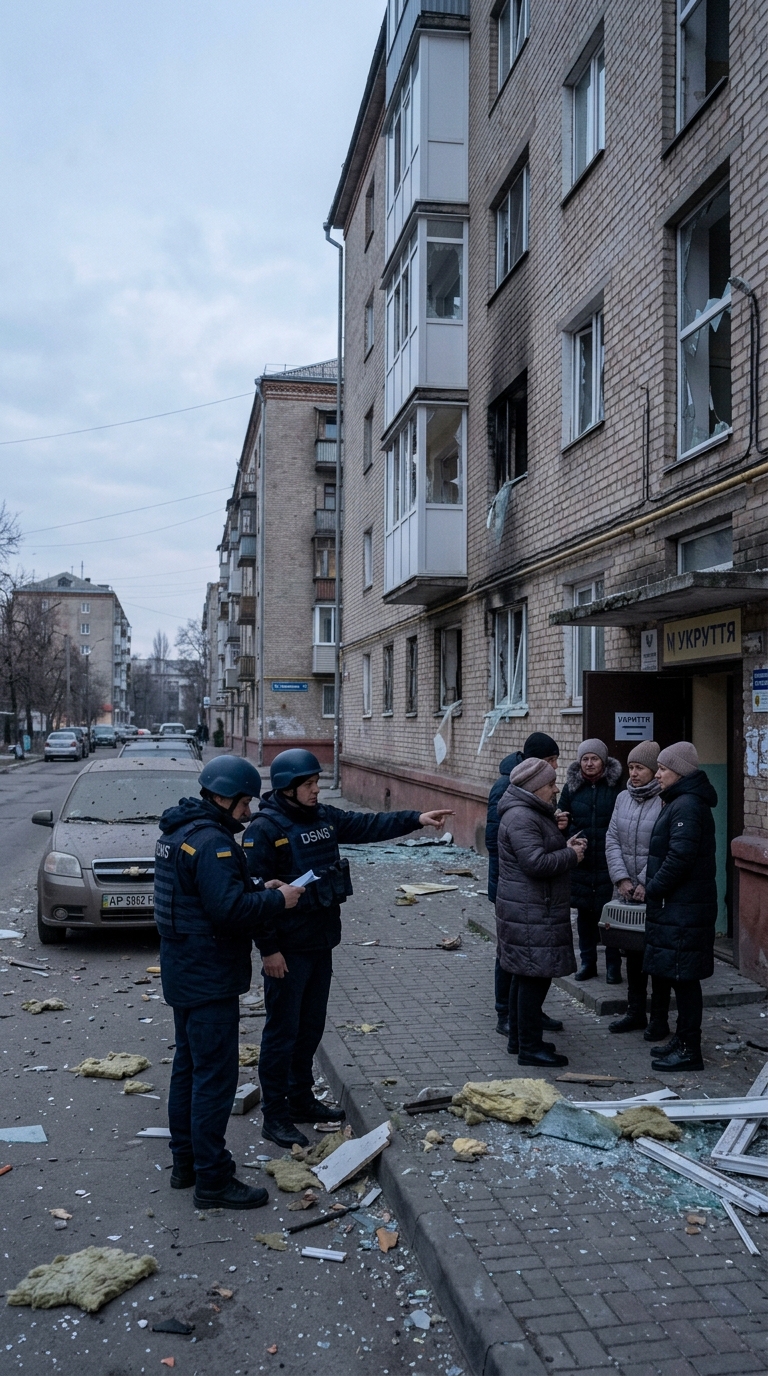
The human cost remains immediate. Ukrainian cities have continued to report civilian deaths, damaged infrastructure and fear of renewed overnight attacks. The use of drones has made the war more unpredictable, extending risk far from the front line and forcing both countries to adapt civilian life to permanent alert.
For Moscow, Victory Day is more than a commemoration. It is a central element of state identity and wartime messaging. A ceasefire around the holiday gives the Kremlin an opportunity to project control and solemnity. For Kyiv, that timing is viewed with suspicion, particularly when Russian strikes continue before the proposed pause.
Diplomats say any serious ceasefire would need monitoring, clear geography, communication channels and consequences for violations. Without those elements, temporary pauses risk becoming public relations exercises rather than steps toward peace.
European governments have generally supported Ukraine’s call for stronger pressure on Moscow, including sanctions and military support. But there is little sign that either side is close to accepting the political conditions required for a wider settlement. Russia continues to demand major concessions. Ukraine rejects territorial surrender and insists that security guarantees must be credible.
The result is a war in which ceasefire language circulates more easily than ceasefire behavior. Each proposal is judged not only by what it promises, but by what happens in the hours after it is announced.
For civilians, the distinction matters less than survival. A real truce would mean quieter nights, repaired power lines, open roads and fewer funerals. For now, the announcements have not delivered that reality.
As the Victory Day period approaches, the world will watch not the speeches in Moscow or Kyiv, but the skies over Ukrainian cities. In this war, the credibility of diplomacy is measured by whether the drones stop.
“””
