
What people buy for dinner now reflects health concerns, climate awareness, cultural identity and economic pressure all at once.
A grocery list used to be a simple household tool. Bread, eggs, rice, vegetables, milk, fruit, coffee. Today, it can feel like a moral and financial puzzle. Is this healthy? Is it affordable? Was it produced sustainably? Will the children eat it? How much plastic does it use? How long will it last?
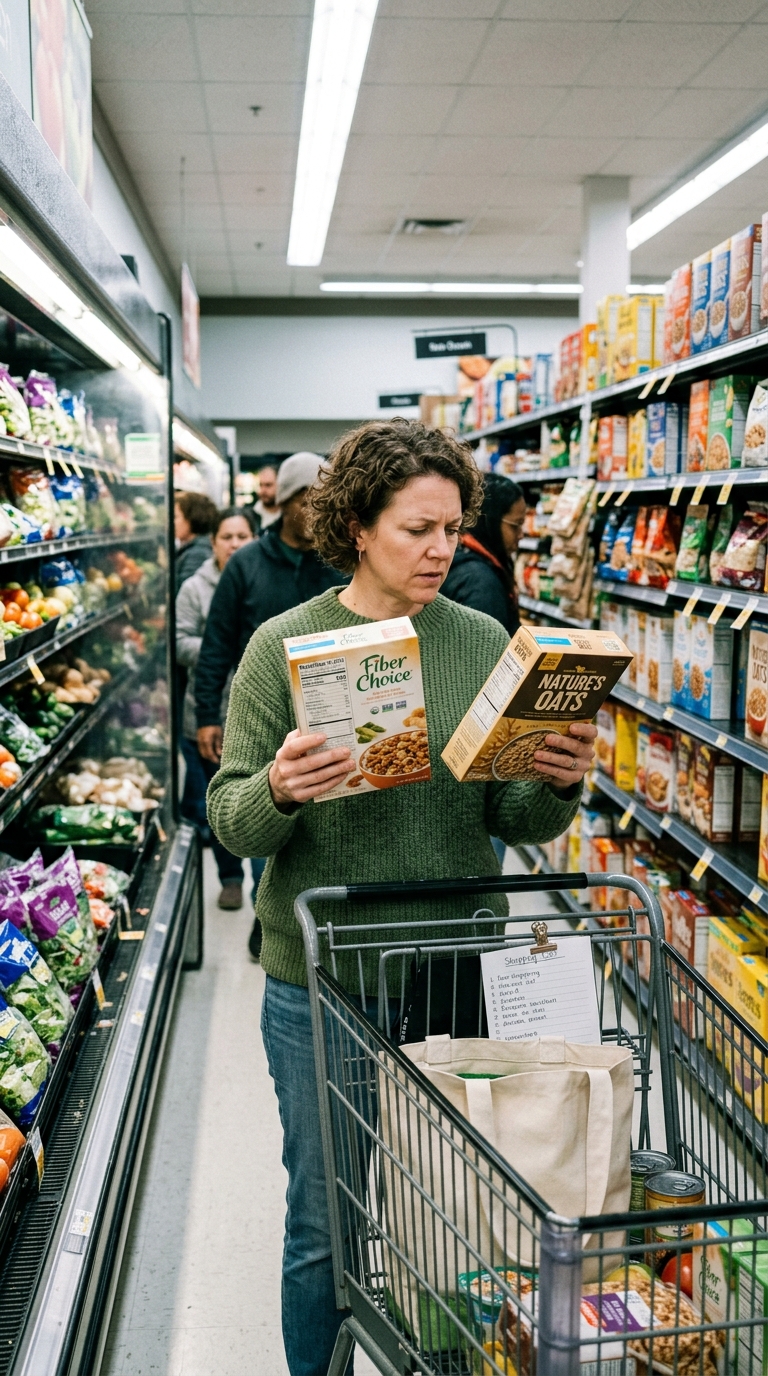
Food shopping has become one of the clearest places where lifestyle values collide with economic reality. The World Health Organization emphasizes balanced diets rich in nutritious foods, while UNEP frames sustainable lifestyles as choices that reduce environmental harm and support quality of life. For ordinary shoppers, those goals often meet under fluorescent supermarket lights.
Inflation has made the tension sharper. Many households want fresh produce, high-quality protein and less processed food, but prices guide decisions. A family may know what nutrition advice says and still choose the cheapest filling option. Health messages that ignore cost risk sounding out of touch.
At the same time, consumers are more aware of food systems. They ask about pesticides, animal welfare, packaging, food miles, labor conditions and waste. Some choose plant-based alternatives. Others return to traditional staples that are affordable and lower waste. Many do both, depending on the week.
The supermarket has become a landscape of claims. Labels promise organic, natural, local, high-protein, low-sugar, sustainable, fortified or climate-friendly. Some claims are regulated; others are vague. Shoppers must make quick decisions in aisles designed to influence behavior.
Meal planning has reemerged as a survival skill. People who plan can reduce impulse purchases, stretch ingredients and waste less. But planning takes time and mental energy. In busy households, the person managing food often carries an invisible workload: remembering preferences, allergies, budgets, schedules and leftovers.
Cultural identity shapes choices powerfully. Food is never only fuel. It carries memory, religion, migration and family tradition. Healthy or sustainable eating advice works best when it respects local cuisines. Lentils, rice, fermented vegetables, corn, fish, herbs and spices may already hold answers that imported wellness trends overlook.
Convenience remains necessary. Not everyone can cook from scratch after a long shift. Frozen vegetables, canned beans, prepared sauces and simple staples can support healthier eating when used well. The divide between “fresh” and “processed” is often too simplistic; the real question is nutritional quality, affordability and frequency.
Food waste is another growing concern. Households throw away food because of overbuying, confusion over date labels, poor storage or unpredictable schedules. Reducing waste can save money and lower environmental impact. It also requires practical skills: freezing, repurposing leftovers and buying realistic quantities.
The rise of online grocery shopping has changed habits. It can save time and help people avoid impulse buys. It can also separate shoppers from judging freshness and may increase packaging. For people with disabilities, older adults or busy caregivers, delivery can be essential.
Retailers influence lifestyle more than they often admit. Store layout, promotions and pricing can push shoppers toward sugary drinks and snacks or toward healthier staples. Governments and public health advocates increasingly focus on food environments rather than relying only on individual willpower.
Children learn lifestyle values in grocery aisles. They see how adults compare prices, choose treats, talk about bodies, avoid waste and respond to advertising. A weekly shopping trip can become an education in health, money and culture.
The future grocery list may be less about perfection and more about priorities. A household may decide to buy more beans, waste less bread, choose seasonal fruit, reduce sugary drinks or cook one more meal at home each week. Small repeated decisions can matter.
The modern grocery list reveals the pressure placed on consumers to solve problems larger than themselves. Food systems, wages, transport, advertising and policy all shape what ends up in the cart.
Still, the list remains powerful. It is where global concerns become dinner, and where lifestyle becomes something practical enough to carry home.
“””
