
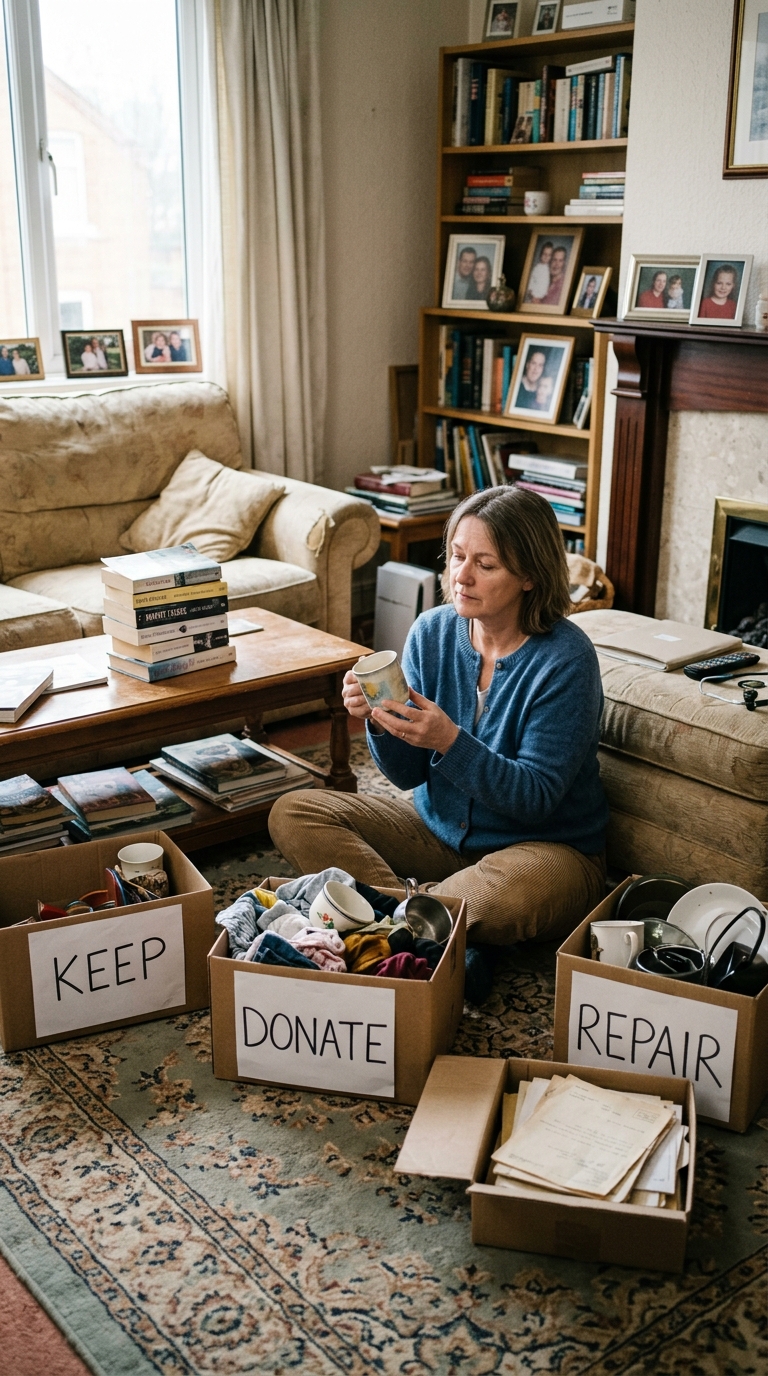
A lifestyle once associated with white walls and fewer possessions is becoming a broader response to overload, debt and environmental concern.
Minimalism entered popular culture through images of spotless rooms, capsule wardrobes and carefully arranged shelves. But for many people, the appeal was never really about aesthetics. It was about relief. Less clutter meant fewer decisions, lower spending, easier cleaning and a sense of control in a crowded world.
The movement is now evolving. Its newer form is less strict and less photogenic. It does not require owning a single chair or dressing only in neutral colors. It asks a more practical question: what is enough?
This shift matters because modern consumer life is built around accumulation. Clothes, gadgets, subscriptions, home goods, cosmetics and seasonal decorations move quickly from desire to purchase to storage. The problem is not only physical clutter. It is mental clutter: remembering, maintaining, upgrading and paying for things.
Minimalism overlaps with sustainable living. UNEP describes sustainable lifestyles as ways of living that reduce environmental degradation while supporting quality of life. Buying less, using items longer and repairing what is already owned can reduce waste and emissions. But minimalism becomes more credible when it recognizes inequality.
For people with money, owning less can be a choice. For people with limited income, it may be a necessity. A wealthy minimalist can discard items knowing they can replace them later. A low-income family may keep spare objects because replacement would be difficult. Lifestyle advice must avoid romanticizing scarcity.
The most useful version of minimalism is not about deprivation. It is about alignment. A person may keep many books because reading matters deeply, but stop buying clothes that remain unworn. A family may own toys, tools and kitchen equipment because they support daily life, while canceling subscriptions that drain money and attention.
Digital minimalism is part of the trend. People are decluttering inboxes, apps, photo libraries and notification settings. The invisible accumulation of digital life can be as stressful as a crowded closet. A phone filled with alerts can make the mind feel messy even in a clean room.
The home organization industry has commercialized the desire for order. Storage boxes, labels and professional services can help, but they can also turn decluttering into another shopping category. The central question remains whether systems reduce burden or simply make excess more attractive.
There is an emotional side to possessions. Objects carry grief, memory, aspiration and identity. A dress, a child’s drawing, a tool from a parent or a souvenir from migration may not be useful in a narrow sense but still meaningful. Mature minimalism leaves room for sentiment.
Families face special challenges. Children bring school papers, toys, sports gear and changing needs. Shared homes contain different tolerance levels for clutter. Minimalism imposed by one person can become conflict. Successful households negotiate categories, spaces and responsibilities rather than chasing a single ideal.
The workplace has its own version. Professionals are simplifying schedules, reducing unnecessary meetings and questioning productivity tools that create more work. In that sense, minimalism is not only about objects but commitments. A calendar can be cluttered too.
Consumer culture will not disappear. People will still enjoy fashion, design and novelty. The minimalist turn does not require rejecting pleasure. It asks whether buying is being used to manage stress, boredom or status anxiety.
The environmental case is clear but must be paired with systemic change. Individuals can buy less, but companies design products for replacement, advertise constantly and flood markets with cheap goods. Policy on durability, repair rights and waste matters.
Minimalism’s future may be quieter than its online image. It may look like a repaired appliance, a smaller wardrobe that actually works, a weekend without shopping, a child learning to borrow instead of own, or a family choosing time over another purchase.
The lifestyle is no longer about having nothing. It is about making space for what still feels human.
“””
