
Health experts say lasting wellness is often built not through dramatic changes, but through simple routines repeated consistently every day.
Good health is rarely the result of one perfect meal, one intense workout or one weekend of rest. More often, it is shaped by ordinary decisions repeated quietly: drinking water before feeling exhausted, going to bed at a reasonable hour, washing hands before eating, walking instead of sitting too long, and taking a short break before stress becomes overwhelming. These habits may look small, but together they form the foundation of daily physical and mental resilience.
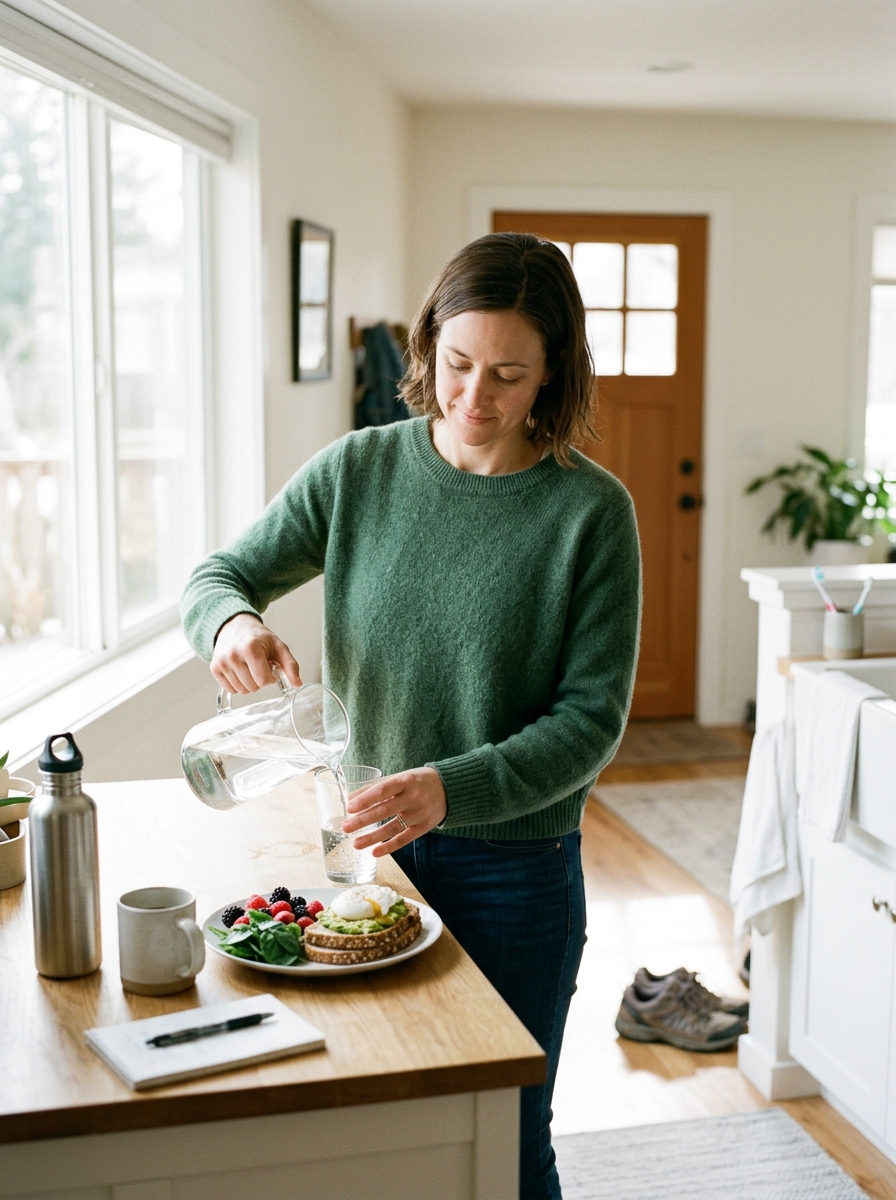
The first habit is drinking enough water throughout the day. Water supports digestion, circulation, temperature regulation and concentration. Many people wait until they are very thirsty before drinking, but thirst can appear after the body has already begun to need fluid. A practical approach is to keep a bottle nearby, drink after waking up, drink with meals and increase intake during hot weather, physical activity or illness. The exact amount varies depending on age, body size, climate and activity level, but the goal is steady hydration rather than occasional large amounts.
The second habit is keeping a regular sleep schedule. Sleep is not wasted time; it is when the body repairs tissue, regulates hormones, supports memory and restores emotional balance. Going to bed and waking up at roughly the same time each day helps the body maintain a stable rhythm. Adults who sleep too little may find it harder to focus, control appetite, manage stress or stay alert while driving. A darker room, less screen exposure before bedtime and a calm evening routine can make sleep easier to protect.
The third habit is moving lightly, even on busy days. Not everyone has time for a gym session, but most people can stand up more often, stretch, walk after meals, climb stairs or do a few minutes of body-weight movement at home. Light activity improves circulation, reduces stiffness and helps counter the effects of long sitting. For office workers, students and drivers, short movement breaks can be especially useful. The key is not perfection but frequency. A body that moves regularly usually handles daily stress better than one forced to stay still for hours.
The fourth habit is eating balanced meals rather than chasing extreme diets. A healthy plate usually includes vegetables, fruits, whole grains or other fiber-rich carbohydrates, protein sources such as fish, eggs, beans, tofu or lean meat, and healthy fats in moderate amounts. Balance also means limiting excessive salt, added sugar and highly processed foods. Food should provide energy without making the body feel overloaded. Traditional home meals, when prepared with variety and reasonable portions, can often be healthier and more sustainable than fashionable diet rules.
The fifth habit is eating slowly and paying attention to fullness. Many people eat while watching a screen, driving, working or scrolling on a phone. This makes it easier to overeat and harder to enjoy food. Eating more slowly gives the body time to recognize fullness and helps digestion. It also turns meals into moments of rest instead of another rushed task. Families can benefit from at least one calmer meal a day, even if it is simple.
The sixth habit is protecting personal hygiene. Washing hands with soap and clean water before eating, after using the toilet, after returning from public places and after coughing or sneezing can reduce the spread of germs. Hygiene also includes bathing regularly, brushing teeth, cleaning personal items and keeping towels, bedding and clothing fresh. These routines are basic, but they remain among the most effective ways to prevent common infections and maintain confidence in daily life.
The seventh habit is taking care of posture and screen time. Modern life pushes people toward long hours of sitting, bending the neck and staring at devices. Over time, this can contribute to eye strain, headaches, shoulder tension and back discomfort. A healthier routine is to keep screens near eye level, relax the shoulders, place both feet on the floor and take short breaks. Looking away from the screen, stretching the neck and changing position can make a long workday less damaging.
The eighth habit is getting some natural light and fresh air when possible. Morning light can help support the body’s daily rhythm and improve alertness. Fresh air and a brief walk outdoors may also reduce the feeling of being trapped indoors, especially for people working in offices, shops or homes with little movement. This does not require long travel. Standing near a balcony, walking around the block or spending a few minutes outside during a break can help reset the mind.
The ninth habit is resting before exhaustion. Many people treat rest as something earned only after completing all tasks, but the body often needs small pauses before it reaches a breaking point. A five-minute pause, a quiet cup of tea, a short breathing exercise or a brief walk can prevent fatigue from building. Rest is not laziness. It is maintenance. People who rest wisely often return to work, study and family responsibilities with better patience and clearer thinking.
The tenth habit is managing stress through simple daily practices. Stress cannot always be avoided, but it can be regulated. Slow breathing, writing down worries, listening to calming music, praying, meditating, talking with a trusted person or stepping away from an argument can reduce emotional pressure. The purpose is not to remove every problem, but to keep the nervous system from staying in a constant state of alarm. When stress becomes persistent, severe or disabling, professional help should be considered.
The eleventh habit is keeping the living environment clean and organized. A clean kitchen, tidy bedroom and well-ventilated living space can support both physical health and mental calm. Food should be stored safely, drinking cups and dishes should be cleaned properly, trash should be removed regularly and surfaces touched often should be wiped. A cluttered environment can make people feel more tired than they realize. Small daily cleaning actions are usually easier than waiting until disorder becomes overwhelming.
The twelfth habit is listening to the body’s warning signs. Persistent pain, unexplained weight change, frequent dizziness, shortness of breath, severe fatigue, sleep problems or sudden changes in mood should not be ignored. Many people delay seeking advice because they are busy or afraid of bad news. But early attention can prevent small problems from becoming larger ones. Regular health checks, vaccinations and professional guidance are especially important for people with chronic conditions, older adults, pregnant women and anyone taking long-term medication.
These twelve habits are simple, but their power comes from consistency. They do not require expensive equipment, complicated plans or dramatic lifestyle transformations. A person can begin with one or two changes: drinking more water, sleeping earlier, walking after dinner, washing hands more carefully or preparing one balanced meal a day. Once those actions become automatic, the next habit becomes easier.
The challenge is that modern life often rewards speed over care. People skip breakfast, work through fatigue, sit for long hours, sleep late, eat quickly and treat stress as normal. Over time, the body absorbs the cost. Daily health protection means resisting that pattern in small but deliberate ways. It means treating the body not as a machine that can be pushed endlessly, but as a living system that needs rhythm, nourishment, cleanliness, movement and recovery.
No habit guarantees perfect health. Genetics, income, work conditions, environment and access to healthcare all matter. But daily routines remain one of the areas where individuals and families can make meaningful choices. A glass of water, a regular bedtime, a short walk, a cleaner meal, washed hands and a moment of rest may seem ordinary. Repeated every day, they become a quiet form of prevention.
The healthiest routine is not the strictest one. It is the one a person can actually maintain. Small habits, practiced with patience, can protect energy, reduce risk and improve quality of life. In a world full of complicated health advice, the most useful message may be the simplest: take care of the body a little every day, before it has to ask for help loudly.”””
