The rare virus, linked to a deadly cluster aboard the MV Hondius, has raised urgent questions about exposure, maritime quarantine and the limits of infection control far from shore.
CAPE TOWN, South Africa — Health authorities have identified the Andes strain of hantavirus in two passengers from an expedition cruise ship at the center of a deadly outbreak, sharpening concerns about a rare infection that is usually linked to rodents but is also one of the few hantaviruses known to spread between people in limited circumstances.
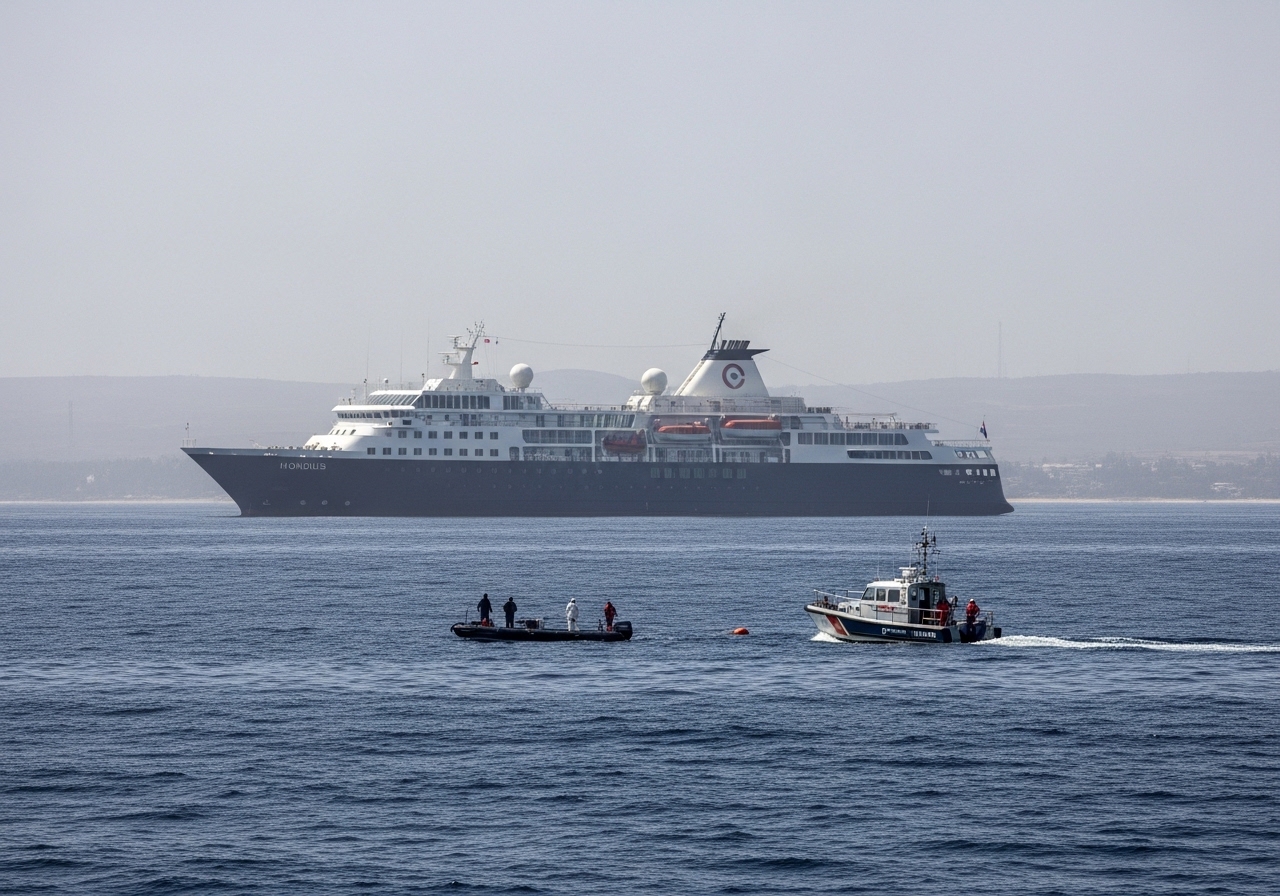
The cases are connected to the MV Hondius, a Dutch-operated polar expedition vessel that sailed from Argentina toward Antarctica and across the South Atlantic before becoming the focus of an international public health response. The World Health Organization has reported two laboratory-confirmed hantavirus infections and five suspected cases associated with the ship. Three passengers have died, one person has been critically ill in South Africa, and several others have required medical evaluation or evacuation.
The identification of the Andes strain matters because it changes the risk assessment. Most hantaviruses do not spread easily, or at all, from person to person. Human infection typically occurs after exposure to the urine, droppings or saliva of infected rodents, especially when contaminated particles become airborne and are inhaled. Andes virus, found in parts of South America, is different. Outbreaks in Argentina and Chile have documented rare person-to-person transmission, usually among close contacts such as household members, caregivers or people sharing confined spaces.
That biological distinction has made the MV Hondius outbreak unusually sensitive. Cruise ships are enclosed environments where passengers eat, sleep and socialize in proximity for days or weeks. Expedition vessels add another layer of complexity because they visit remote regions, carry passengers from many countries and may be far from advanced medical facilities when symptoms emerge. The Hondius case combines all of those challenges: an uncommon virus, a moving vessel, multinational passengers and a timeline that stretched for weeks before laboratory confirmation.
According to information released by authorities and reported by the Associated Press, the outbreak unfolded gradually. A 70-year-old Dutch passenger developed fever, headache and gastrointestinal symptoms on April 6 and died on board on April 11 after developing respiratory distress. His wife later disembarked with his body at St. Helena, became seriously ill during travel and died in South Africa. Another passenger, a British man, became ill after the ship left St. Helena and was evacuated to South Africa, where he was treated in intensive care. A German passenger later died on the vessel after developing symptoms consistent with severe respiratory illness.
For nearly a month, the full nature of the outbreak was unclear. Severe respiratory illness at sea can have many causes, including influenza, COVID-19, bacterial pneumonia, Legionella, other viral infections or environmental exposures. Hantavirus is rare enough that it is not always the first suspected diagnosis, particularly in a maritime setting. South African testing eventually confirmed hantavirus infection, prompting broader investigation and contact tracing.
The route of exposure remains unresolved. The MV Hondius departed from Ushuaia, Argentina, a region near areas where hantavirus infections have previously been reported. Passengers on expedition cruises often take part in landings, wildlife observation and outdoor activities that can bring them into contact with remote environments. Investigators are examining whether exposure occurred before boarding, during shore excursions, from contaminated material brought onto the ship, or through close contact among passengers after the virus had already entered the group.
No single explanation has been publicly confirmed. The presence of the Andes strain suggests a South American origin, but it does not by itself prove where or how the infections began. If the initial exposure came from rodents or contaminated environments, the outbreak may have started before passengers realized they were at risk. If limited person-to-person spread occurred afterward, the shipboard setting could have amplified concern even if the broader public risk remains low.
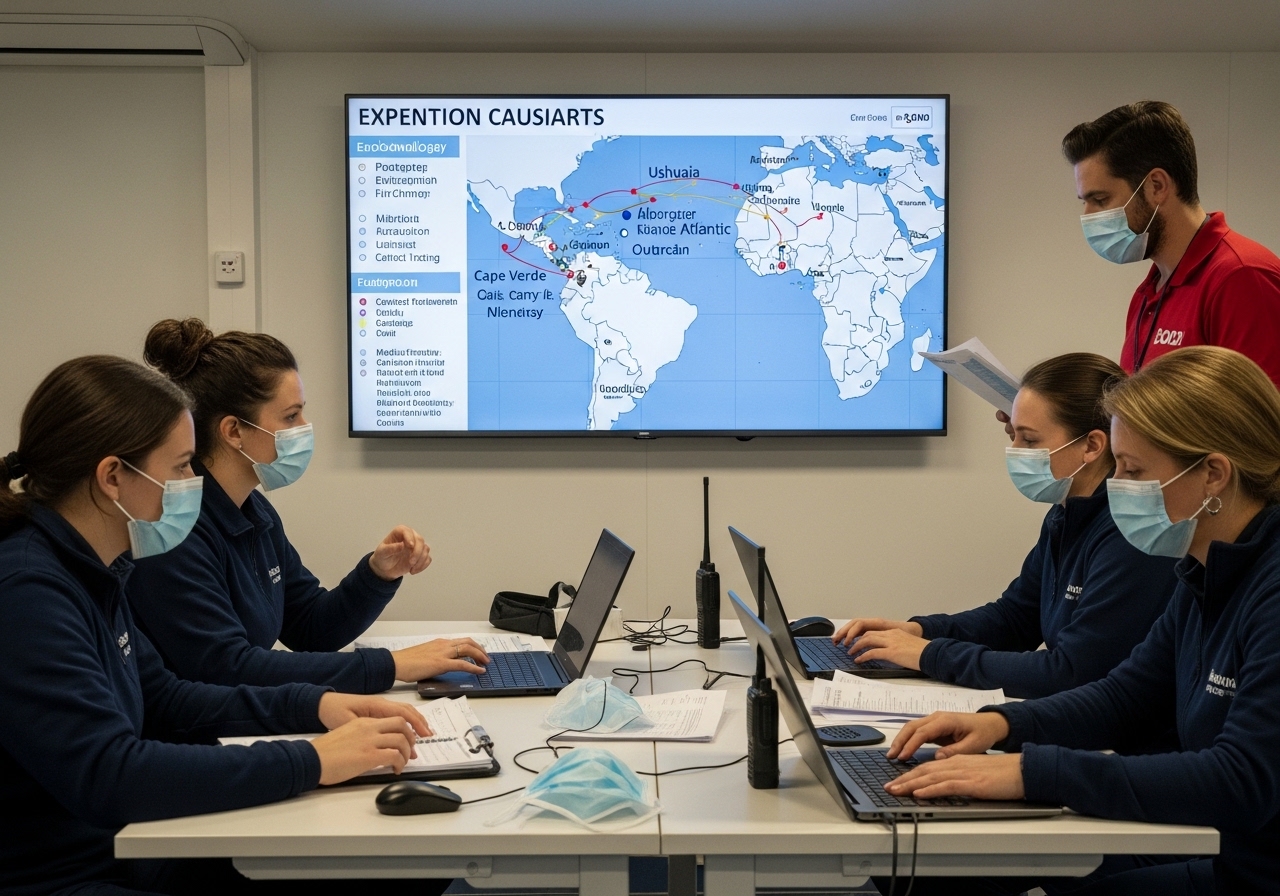
WHO has emphasized that global risk is low because hantavirus is not generally easy to transmit between people. Still, the organization and national authorities have treated the cluster seriously because Andes virus is an exception within the hantavirus family. Passengers and crew have been monitored, symptomatic people have been isolated, and countries connected to the travelers have been notified. Contact tracing has also extended beyond the ship, including people who may have shared travel routes with infected passengers after disembarkation.
The outbreak has placed unusual pressure on governments along the ship’s route. Cape Verde, where the vessel was anchored off the coast, faced the immediate challenge of balancing humanitarian medical needs with local public health concerns. Spanish authorities and officials in the Canary Islands were also drawn into discussions over whether and how the ship could dock for inspection, disinfection, medical assessment and eventual repatriation of passengers. The Netherlands, South Africa and other countries with affected nationals have been involved in evacuations and follow-up care.
For those on board, the situation has been frightening and uncertain. Passengers on expedition cruises often expect isolation from urban life as part of the adventure. They do not expect that isolation to become a quarantine. Reports from the vessel described cabin confinement, physical distancing and medical monitoring, measures that recalled the early months of the COVID-19 pandemic but involved a pathogen with a very different pattern of transmission.
Hantavirus pulmonary syndrome can progress rapidly. Early symptoms often resemble flu or gastrointestinal illness, including fever, fatigue, muscle aches, headache, vomiting or diarrhea. In severe cases, patients may develop coughing, shortness of breath and fluid accumulation in the lungs, leading to acute respiratory distress and shock. There is no widely approved specific antiviral treatment for hantavirus pulmonary syndrome. Care is mainly supportive and may require oxygen, intensive care and mechanical ventilation.
That makes speed of recognition crucial. The fatal cases linked to the Hondius underscore how quickly the disease can become life-threatening once respiratory symptoms appear. They also show why rare infections are difficult to manage in transit. A patient who begins with fever and mild symptoms on a ship may deteriorate before evacuation is possible, particularly when the vessel is between remote islands or far from major hospitals.
The incident is also likely to renew scrutiny of health protocols on expedition cruises. These voyages differ from conventional leisure cruises. They are often smaller, more specialized and designed around remote landings rather than entertainment facilities. Passengers may include older travelers with the time and resources to join long itineraries, and medical support on board is necessarily limited compared with land-based hospitals. Operators must prepare for injuries, seasickness, respiratory infections and emergency evacuations, but a rare zoonotic virus with possible person-to-person spread presents a far more complicated scenario.
Public health experts will be watching for several answers. Investigators must determine the likely index case, the timing of exposure, whether any rodents or contaminated materials were present on the vessel, and whether transmission occurred between close contacts. They will also examine cabin assignments, dining patterns, shore excursion groups, medical interactions and travel after disembarkation. Genetic sequencing of viral samples may help clarify whether cases came from a common source or from subsequent spread.
The identification of Andes virus does not mean a wider outbreak is inevitable. Previous evidence suggests person-to-person transmission is uncommon and usually requires close, prolonged contact. Casual contact in public settings is not believed to carry the same level of risk. But the shipboard cluster is serious because several people developed severe disease, multiple countries are involved, and the chain of exposure has not yet been fully mapped.
For the cruise industry, the case is a reminder that infection risks at sea extend beyond familiar gastrointestinal outbreaks. Norovirus remains the classic cruise ship illness because it spreads efficiently in crowded settings and causes vomiting and diarrhea. Hantavirus is different: rarer, more severe and usually connected to environmental exposure. That difference may make the Hondius outbreak an exceptional event rather than a sign of a common cruise hazard. But exceptional events are precisely the ones that test emergency planning.
The broader lesson is not panic, but preparedness. Travelers to regions where hantavirus is endemic should avoid contact with rodents, rodent nesting areas and dust from closed or contaminated spaces. Tour operators should maintain strict environmental controls, assess excursion risks and provide early medical evaluation for unexplained fever or respiratory symptoms. Health authorities should share information quickly when passengers disperse across borders.
The MV Hondius outbreak remains under investigation, and officials have cautioned that findings may change as more testing and tracing are completed. But the confirmation of the Andes strain in two passengers has already reframed the episode. What began as a mysterious respiratory illness on a remote expedition vessel has become a rare international test of how quickly modern public health systems can respond when a dangerous zoonotic infection appears in one of the most difficult places to manage it: a ship at sea.